Explore the financial and operational differences between ordering through third-party food delivery apps and ordering directly from kitchen direct channels.
Digital ordering platforms have changed how consumers get meals and how restaurants operate. While third-party apps like DoorDash, Uber Eats, and Grubhub offer convenience and visibility, they introduce fee structures that impact both the consumer and the food service establishment. Understanding the financial impact requires looking at the differences between third-party applications and first-party, direct-to-kitchen ordering models, which can vary in cost depending on what factors influence mobile app development.
Understanding third-party delivery app fees
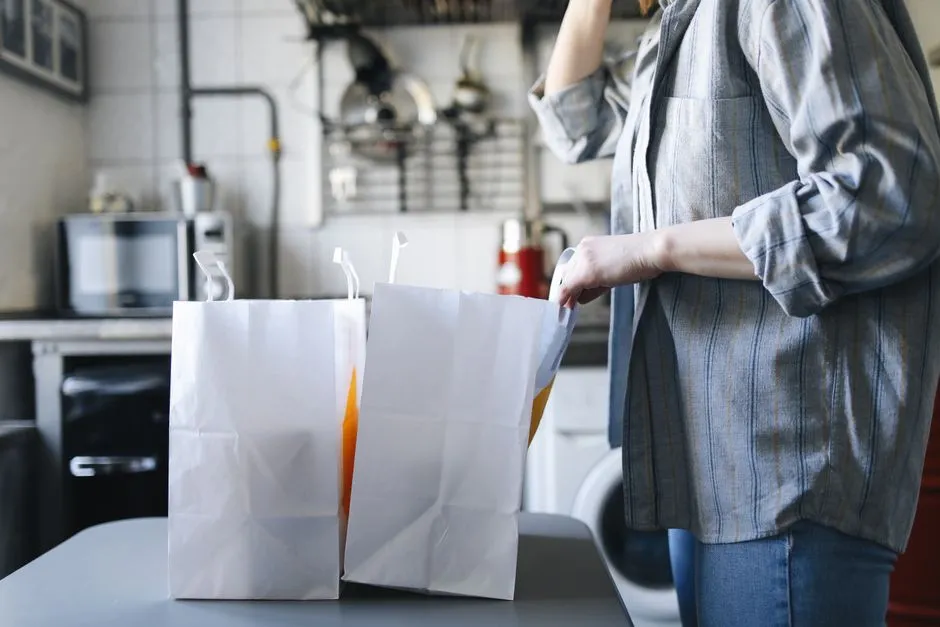
Third-party delivery apps make money by acting as intermediaries between the consumer and the restaurant. They charge restaurants a commission on every order placed through their system. These commissions typically range from 15% to 30% of the order value, depending on the service tier and visibility the restaurant selects. Basic listings generally incur a 15% to 20% fee, while premium placements and marketing boosts can push commissions up to 30%.
Along with commissions, restaurants often face payment processing charges, marketing expenses, and sometimes shared delivery fees. Since standard profit margins typically hover between 10% and 15%, a 30% commission can wipe out the earnings on an order. To counter this, many restaurants raise their menu prices on third-party apps by 15% to 25%. This means customers often pay inflated prices without realizing the markup goes to the app rather than the kitchen.
Beyond item markups, customers encounter separate line-item charges at checkout. Delivery apps routinely add delivery fees, variable service charges, and small-order fees. For example, a meal priced at $33.75 on a restaurant’s in-house menu can easily inflate to over $52 when factoring in app-specific menu markups, delivery fees, and service charges according to a cost analysis. This creates a substantial price premium for regular customers.
The economics of direct kitchen delivery
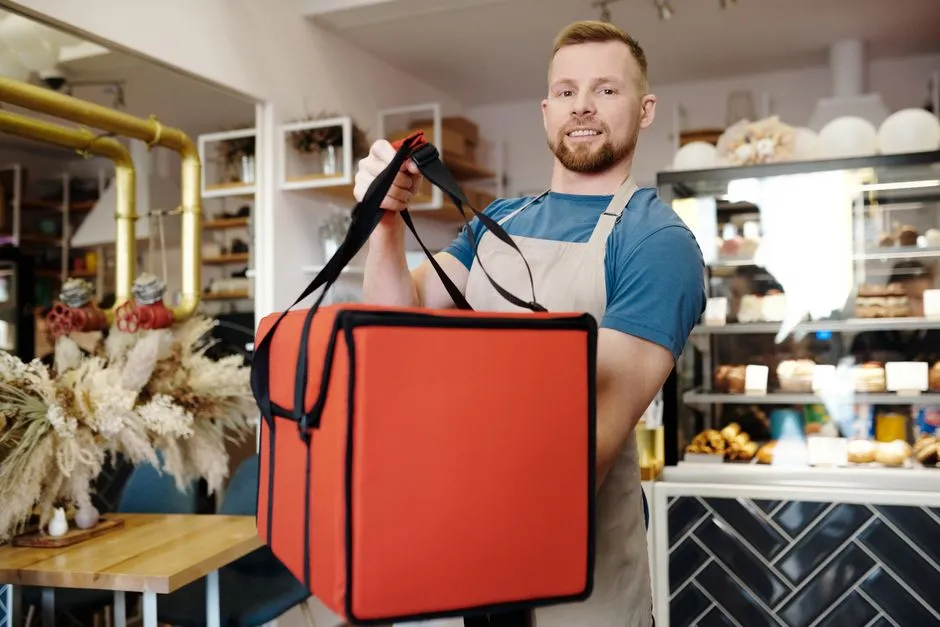
Ordering directly through a restaurant’s first-party website or app bypasses third-party commissions entirely. Because the kitchen retains 100% of the item price without paying a cut to an intermediary, they can offer true menu pricing. Comparing identical orders placed through delivery apps versus direct channels shows that consumers can save roughly 30% on the same meal.
For restaurant owners, shifting volume to direct ordering channels protects profit margins and is one of several unconventional ways to boost restaurant profitability. While platforms like ChowNow utilize flat subscription fees instead of per-order commissions, other direct infrastructure providers integrate commission-free ordering into a restaurant's existing website. This model ensures revenue remains with the business, providing capital that can be reinvested into ingredient quality, staff wages, or kitchen equipment.
Furthermore, direct-to-kitchen ordering establishes a direct line of communication between the brand and the consumer. Third-party applications frequently retain customer data, which prevents restaurants from marketing directly to their most loyal patrons. When customers order direct, the restaurant captures contact and preference data, allowing them to offer targeted loyalty rewards, exclusive promotions, and personalized communication to encourage long-term retention.
Operational performance: Speed, accuracy, and customization
Operational Performance: Direct Delivery vs. Third-Party Apps
| Metric | Direct Kitchen Delivery | Third-Party Apps |
|---|---|---|
| Delivery Speed | Shorter delivery times; direct routing to internal kitchen system | Slower delivery times; orders pause in external queues |
| Order Accuracy | Higher accuracy rate; fewer missing items or incorrect modifications | Lower accuracy rate; more frequent order discrepancies |
| Customization | Better support for complex custom orders and personal touches | Rigid interfaces with limited modification options |
Financial cost is one part of the comparison; operational execution is also important. Research evaluating first-party delivery channels against third-party platforms reveals differences across key operational metrics. In-house delivery services often outperform third-party logistics in speed and reliability, with slightly shorter delivery times because orders route straight to the kitchen's internal system without pausing in an external queue.
Order accuracy also favors direct channels. First-party orders achieve higher accuracy rates compared to third-party platforms, which reduces the frequency of missing items or incorrect modifications. Because accuracy correlates with customer satisfaction and repeat business, kitchens managing their own delivery or pickup pathways maintain tighter quality control.
Customer customization is another advantage for direct ordering. Many consumers, particularly younger demographics, prefer modifying menu items, swapping ingredients, or trying curated additions. First-party applications generally support complex custom orders better than rigid third-party interfaces. Additionally, direct orders are more likely to include personal touches, such as handwritten notes or extra condiments, which improves the customer experience.
References
Calculating delivery profit margins for e-commerce products
Best delivery strategies for small businesses

Related Posts
MONEYCalculating delivery profit margins for e-commerce products
A comprehensive guide on how e-commerce sellers can accurately calculate delivery and true profit margins by accounting for hidden costs beyond simple COGS.
MONEYBest delivery strategies for small businesses
Explore proven delivery strategies for small businesses, from route optimization and hybrid models to smart packaging and cost management.