Dreaming of seeing the Northern Lights? It's more than just luck. Having the right app on your phone can be the difference between seeing a faint glow and witnessing a full-blown celestial dance.
There’s a certain kind of magic that hangs in the cold, crisp air of a dark northern night. It’s a feeling of anticipation, a hushed reverence for what the cosmos might reveal. I’m talking, of course, about the aurora borealis—the Northern Lights. It’s a bucket-list dream for so many of us, a silent, spectacular dance of light that feels both ancient and alive. But as anyone who has tried to chase them knows, the aurora is a fickle performer. You can’t just show up and expect a show.
For years, I held onto that romantic, albeit frustrating, notion of just being in the right place at the right time. I’d drive out to dark-sky spots based on a friend’s tip or a vague online forum post, more often than not returning home with nothing but cold fingers and a story of a very, very dark (and empty) sky. It felt like I was missing a crucial piece of the puzzle. And I was. That piece, I discovered, was sitting right in my pocket.
In today's world, technology has become an indispensable tool for the modern explorer. For aurora hunters, a good mobile app isn't just a convenience; it's a game-changer. It transforms the chase from a wild goose chase into a strategic pursuit, arming you with the data you need to dramatically increase your odds. With the sun currently in a period of high activity, there’s never been a better time to harness that power.
My Aurora Forecast & Alerts: The People's Champion
If you ask any group of aurora chasers what app they use, "My Aurora Forecast & Alerts" is almost always the first one mentioned. It has earned its reputation as the go-to for both beginners and seasoned veterans, and for very good reason. It strikes a perfect balance between providing comprehensive, real-time data and maintaining a user-friendly interface that doesn't require a degree in astrophysics to understand.
The app’s main screen gives you the most critical information at a glance: the current Kp index (the measure of geomagnetic activity), the probability of seeing the aurora from your current location, and a map showing the extent of the auroral oval. This is your holy trinity of information. I’ve found the push notifications to be incredibly reliable. There’s nothing quite like being curled up on the couch and getting a buzz from your phone that says, "Hey, the sky is about to put on a show." It’s prompted more than one spontaneous, successful aurora hunt for me.
What I appreciate most, though, is how it grows with you. As a beginner, the simple "percent chance" is all you need. But as you get more curious, you can dive into the detailed solar wind data—speed, density, and the all-important Bz component (a southward Bz is your best friend!). It’s this depth, combined with its accessibility and free price tag (with an optional pro version to remove ads), that makes it the undisputed champion for the majority of users on both iOS and Android.
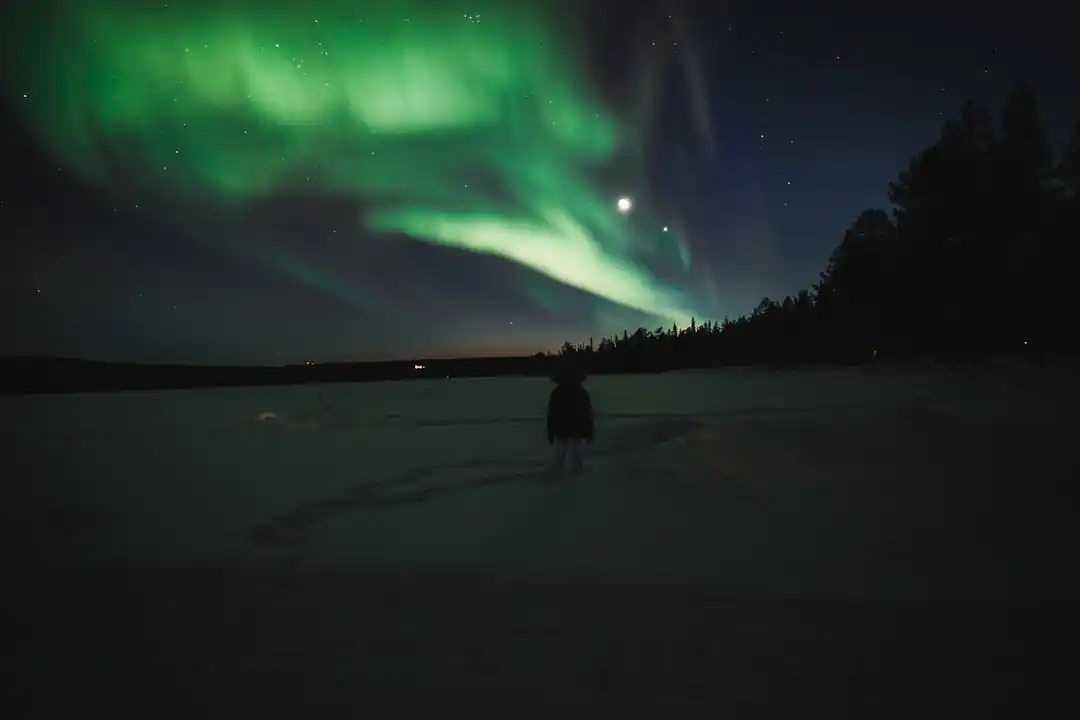
SpaceWeatherLive: For the Data-Driven Chaser
While My Aurora Forecast is fantastic for its simplicity, there's a certain type of person who wants more. They don't just want to know if the aurora is out; they want to know why. If that sounds like you, then the SpaceWeatherLive app is your new best friend. This app is less of a simple alert system and more of a comprehensive space weather station that fits in your hand. It’s for the person who loves digging into the raw data.
The app is packed with detailed graphs and real-time information on everything from solar flares and coronal mass ejections (CMEs) to the nitty-gritty details of the solar wind. Honestly, it can feel a little intimidating at first. But the developers have done something brilliant: almost every metric has a little pop-up that explains what it is and why it’s important. This turns the app into an incredible learning tool. I’ve learned more about the sun-Earth connection just by exploring this app than from any article I’ve read.
The real power of SpaceWeatherLive lies in its customizability. You can set up detailed push notifications for very specific events. For example, you can ask it to alert you only when the Bz tips below -10nT and the solar wind speed is over 700 km/s—the kind of conditions that signal a potentially massive storm. This level of control is unparalleled and is why many serious aurora photographers and forecasters rely on it. It’s a professional-grade tool that, thanks to its excellent design, is still accessible to the passionate amateur.
Aurora Alerts: The Minimalist's Choice
Sometimes, you don't need all the bells and whistles. You just need a simple, reliable tool that tells you one thing: "Is it time to go outside?" This is where "Aurora Alerts" shines. It’s a more streamlined, focused app that excels at providing clear, concise, and timely notifications. It’s built on the idea that you shouldn’t have to be a scientist to see the Northern Lights.
The interface is clean and direct, often using a simple color-coded system to let you know the current activity level. Green means low, yellow means moderate, and red means it's time to drop everything and find a dark spot. It monitors the key data points in the background and sends you a push notification the moment conditions become favorable for your location.
I often recommend this app to friends who are visiting aurora-prone regions but don't want to get bogged down in data. It’s the perfect "set it and forget it" solution. While it may lack the deep-dive charts of SpaceWeatherLive or the community features of other apps, its simplicity is its greatest strength. It does one job—alerting you to potential aurora sightings—and it does that job exceptionally well.
Choosing the right app really comes down to what kind of aurora chaser you want to be. Do you want the all-around, community-trusted favorite? The deep-dive, data-rich powerhouse? Or the simple, no-fuss alert system? The good news is, there’s no wrong answer. Any of these tools will put you miles ahead of where I was, standing in a dark field, just hoping for a little bit of luck.
The aurora is a reminder that our universe is a dynamic, beautiful, and sometimes chaotic place. It’s a show worth seeing, a memory worth making. And with a little help from the right app, you’re more likely than ever to be there when the curtain of night pulls back to reveal the magic.
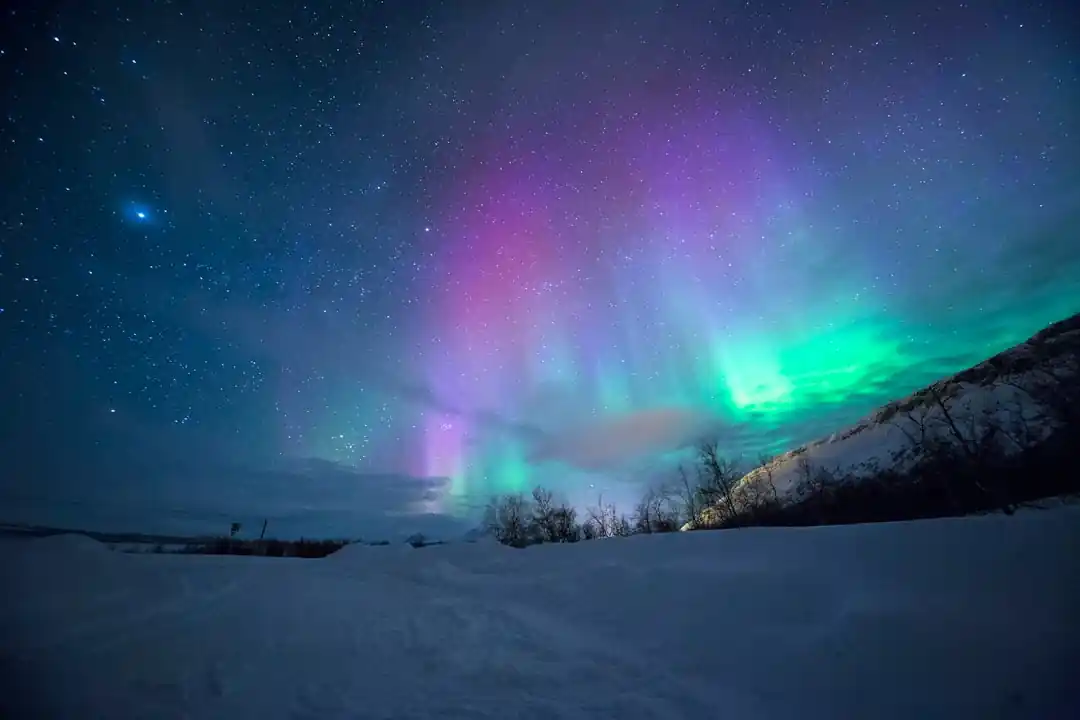
The Sky on Your Screen: What to Look for in a Solar Flare & Aurora Tracker App
Decoding the Cosmos: A Friendly Guide to the NOAA Space Weather Scale
Related Posts
 MOBILE
The Great Console Debate: How to Choose the Right Gaming System for Your Family
Feeling stuck between a Switch, a PlayStation, and an Xbox? Let's break down which gaming console is the perfect fit for your family's game nights.
 MOBILE
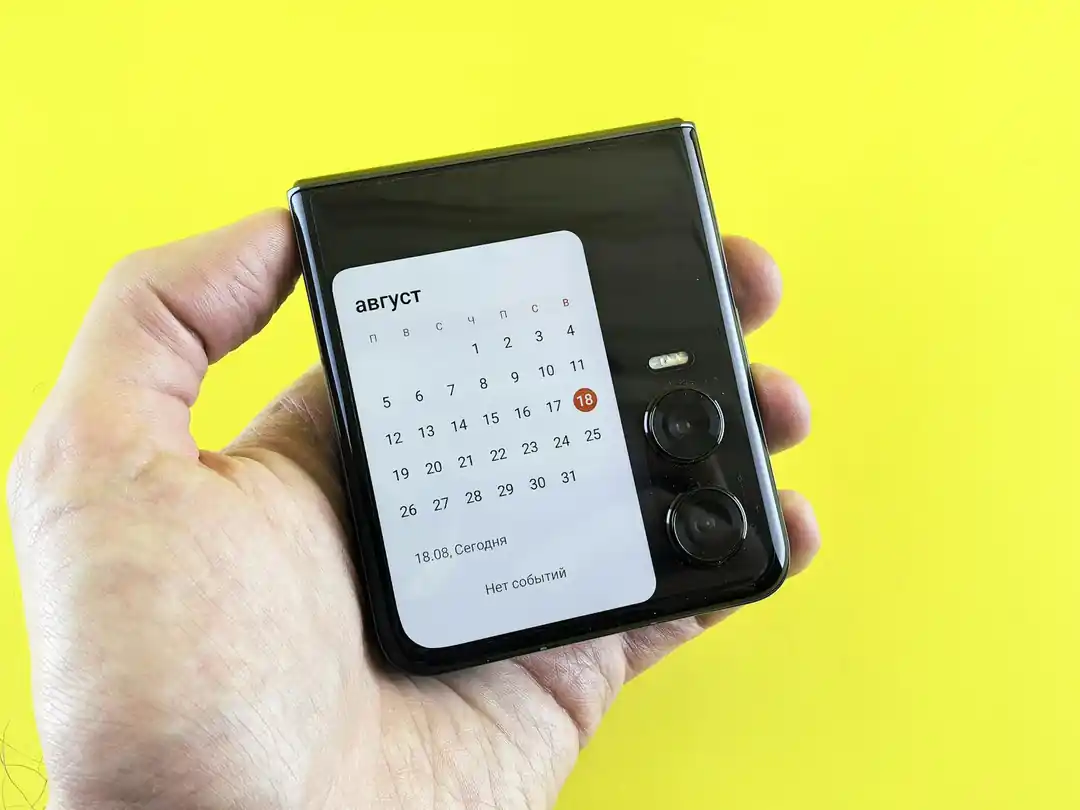
From Fragile to Formidable: The Surprising Evolution of Foldable Phone Durability
Remember when the idea of folding a smartphone screen in half felt like a disaster waiting to happen? Let's talk about how far they've come, because the story is pretty incredible.

Popular Posts

Rethinking Non-Profit Promotion: Creative Strategies That Actually Drive Event Impact

Beyond Stark White: The Best Interior Paint Colors to Light Up Your New Space

How to Actually Master a New Language on Your Own (No Magic Gene Required)
