Dreaming of seeing the Northern Lights? It might be closer than you think. We're diving into the essential features your phone needs to become the ultimate cosmic weather station.
There's something that feels almost primal about looking up at the night sky. For most of my life, I thought seeing the Northern Lights meant a once-in-a-lifetime trip to Iceland or the far reaches of Alaska. It was an item on a bucket list, filed under "someday." It turns out, "someday" is a lot more achievable than I ever imagined, and the key was already in my pocket. The right mobile app can transform your phone from a simple communication device into a powerful cosmic weather station.
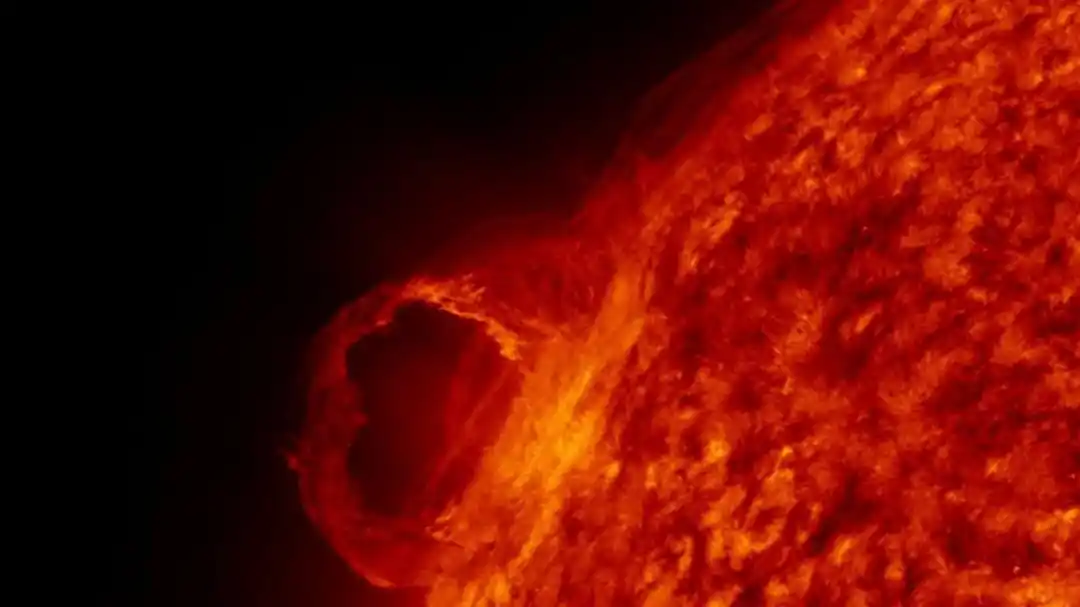
It’s not just about chasing the ethereal dance of the aurora, either. These apps tap into a constant stream of data about our sun's activity—solar flares, coronal mass ejections (CMEs), and solar wind. Understanding these phenomena is becoming increasingly relevant in our tech-driven world. They can affect everything from GPS accuracy to power grids. But honestly, the real magic is in feeling more connected to the universe. It’s about turning a casual glance upward into an informed, intentional act of wonder. So, what separates a basic app from a truly indispensable tool for the modern sky-watcher?
The Non-Negotiables: Real-Time Data and Alerts
Let's start with the absolute basics. A solar flare or aurora app is only as good as its data. The single most important feature is access to real-time, or near-real-time, space weather information. For anyone hoping to see the aurora, this boils down to one key metric: the Kp-index. Think of the Kp-index as a 0-9 scale measuring the intensity of geomagnetic disturbances. A reading of 0-3 is typically quiet, but when it starts climbing to 4, 5, or higher, your chances of seeing the aurora increase dramatically, even in the mid-latitudes of the United States.
A great app doesn't just show you the number; it makes it understandable. It should be the first thing you see when you open it—front and center, maybe with a color-coded gauge that tells you "calm" or "storm" at a glance. But data without context is just noise. That's why the second non-negotiable is a robust, customizable alert system. You shouldn't have to be a night owl constantly checking your phone. The app should do the work for you, sending a push notification when the Kp-index hits a certain threshold that you've set. This is the feature that turns a missed opportunity into a "grab your coat, we're going now!" moment.
Beyond the Kp-index, look for apps that pull data from credible sources like the NOAA Space Weather Prediction Center or the GOES satellite. Some advanced apps will also show you the solar wind speed (measured in km/s) and the direction of the interplanetary magnetic field (Bz). A southward Bz is a strong indicator that the energy from the solar wind will connect with Earth's magnetosphere, fueling the aurora. It might sound technical, but a good app will present this with simple visuals, empowering you to make a more informed guess about whether a show is about to start.
Beyond the Numbers: Visualization and Forecasting
Once you know a storm is brewing, the next question is, "Can I actually see it from here?" This is where visualization tools become critical. A top-tier aurora app must have a viewable map that overlays the predicted aurora strength onto a world map. This "auroral oval" shows you where the lights are most likely to be visible. You can instantly see if your location is under the band of activity or if you need to drive a bit north to catch the show. It’s the difference between hoping and knowing.
Two other mapping features, while not always standard, are incredibly valuable: cloud cover and light pollution maps. It seems obvious, but it's easy to forget in the excitement of a high Kp alert—if the sky is full of clouds, you won't see a thing. The best apps integrate a cloud forecast layer right onto their maps, so you can see if you have a clear window for viewing. Similarly, a light pollution map helps you find the darkest skies near you. Escaping the glow of city lights is just as important as having strong solar activity.
Forecasting is the other half of the planning equation. While real-time data is for the "now," a good forecast gives you a heads-up for the coming hours and even days. Most apps provide a 27-day forecast based on the sun's rotation, which can help with long-term planning for a camping or photography trip. More importantly, look for a 1-3 day forecast. This is the sweet spot for reliability, giving you enough time to prepare for a potential late-night viewing session without being too speculative.
The Extra Touches: Community and Education
What truly elevates an app from a utility to an experience is its ability to connect you with a larger community and deepen your understanding. Some of the best aurora-tracking apps have a social or community feed where users can post real-time sightings and photos. This is an invaluable feature, as it provides ground-truth reports that can be even more immediate than satellite data. Seeing a photo posted just 30 minutes ago from a town 50 miles north of you is the ultimate confirmation that it's time to get outside.
Finally, a commitment to education is the mark of a truly passionate developer. The world of space weather is filled with jargon and complex physics. A great app will have a built-in library or help section that explains concepts like CMEs, the Kp-index, and the solar cycle in plain English. It helps you appreciate not just the beauty of what you're seeing, but the incredible science behind it.
Choosing the right app is about finding a balance between powerful data and a user-friendly interface. You want something that feels both scientific and accessible, a tool that empowers you without overwhelming you. It’s a small download that can open up a whole new way of looking at the sky, reminding us that there's a vast, dynamic, and beautiful universe just beyond our atmosphere, waiting to be seen.

Building Your Best Friend: What's Inside the LEGO Golden Retriever Set?
Chasing the Ghostly Light: The Best Aurora Alert Apps for Your Phone

Related Posts
 MOBILE
The Great Console Debate: How to Choose the Right Gaming System for Your Family
Feeling stuck between a Switch, a PlayStation, and an Xbox? Let's break down which gaming console is the perfect fit for your family's game nights.
 MOBILE
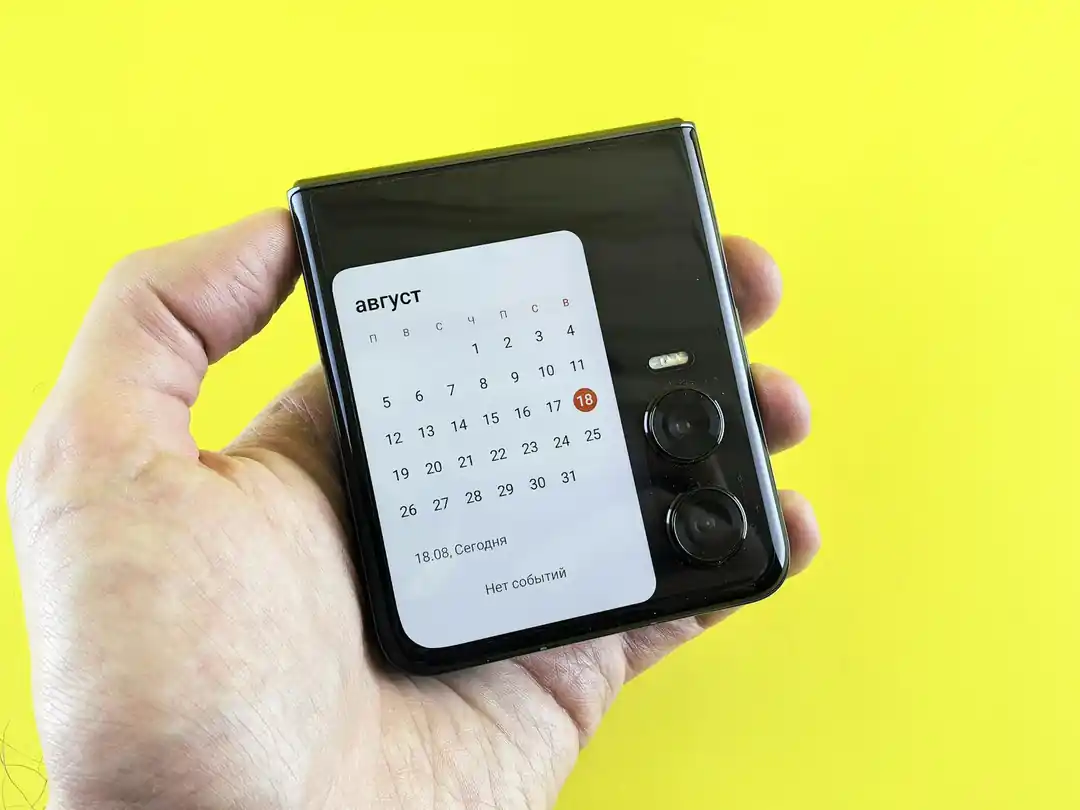
From Fragile to Formidable: The Surprising Evolution of Foldable Phone Durability
Remember when the idea of folding a smartphone screen in half felt like a disaster waiting to happen? Let's talk about how far they've come, because the story is pretty incredible.

Popular Posts

Rethinking Non-Profit Promotion: Creative Strategies That Actually Drive Event Impact

Beyond Stark White: The Best Interior Paint Colors to Light Up Your New Space

How to Actually Master a New Language on Your Own (No Magic Gene Required)
