Best anti-inflammatory foods and healing nutrients to speed up joint and tendon recovery
Discover how targeted anti-inflammatory foods and essential nutrients support joint and tendon recovery, reduce chronic swelling, and accelerate tissue healing.
Understanding the healing process of joints and tendons
Three Phases of Joint and Tendon Healing
1. 1. Inflammation (First Few Days)
The immune system clears damaged cells, resulting in initial swelling and pain.
2. 2. Proliferation (Up to Several Weeks)
New collagen fibers are laid down to rebuild and regenerate the damaged connective tissue.
3. 3. Remodeling (Weeks to Months)
Collagen reorganizes to restore mechanical strength and functional capacity.
Tendon, ligament, and joint injuries are notoriously slow to heal, often sidelining athletes and workers for weeks or even months. While rest, physical therapy, and sometimes surgery are the standard treatments, many people overlook nutrition, which can significantly influence recovery. Understanding how connective tissues heal explains why specific dietary choices matter during rehabilitation.
Tendons and ligaments are made of dense connective tissue primarily composed of collagen—a structural protein that provides strength and flexibility. Because they have a limited blood supply compared to muscles or skin, their natural healing processes are slower. By optimizing nutrition, you can supply the raw building blocks your body needs to repair and regenerate connective tissue more efficiently.
When a tendon, ligament, or joint is injured through a sprain, strain, tear, or wear-and-tear condition like osteoarthritis, the body initiates a healing response that unfolds across three phases. The first is inflammation, occurring over the first few days, where the area becomes swollen and painful as the immune system clears damaged cells. The second is proliferation, lasting up to several weeks, during which new collagen fibers are laid down to rebuild the tissue. The final phase is remodeling, spanning weeks to months, where collagen is reorganized to restore mechanical strength and function. Nutrition supports all three stages, from regulating excessive inflammation to synthesizing new collagen matrices.
Essential healing nutrients for connective tissue repair
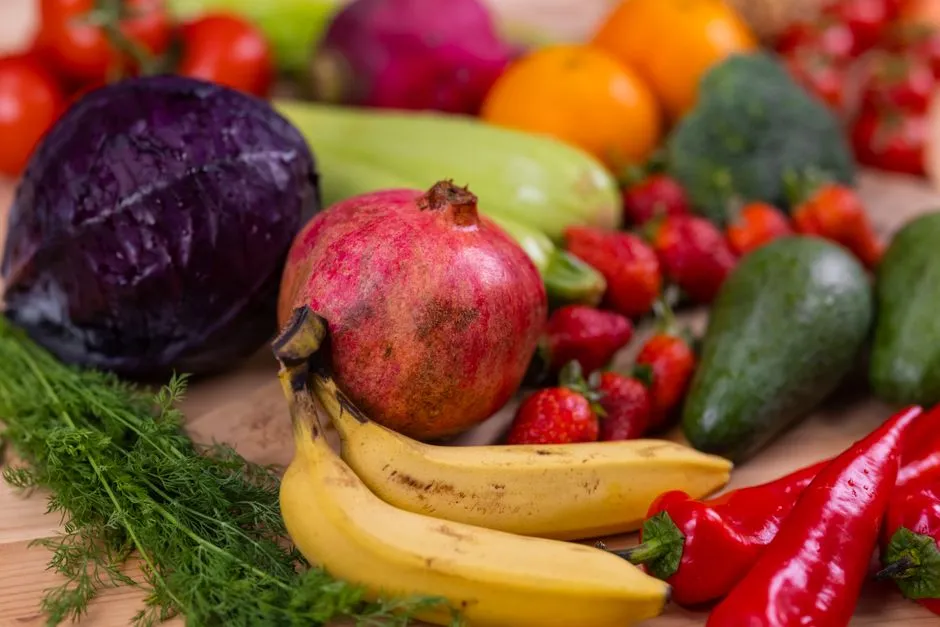
Targeted micronutrients and macronutrients act as cofactors and structural components during tissue regeneration. Without an adequate supply of these elements, the body struggles to complete the biochemical reactions required to repair damaged tendons and joints. Protein is the foundational building block for tissue repair, and knowing how much protein you need for muscle repair can ensure you are supplying enough amino acids like glycine, proline, and lysine that are incorporated into newly synthesized collagen. Good sources include lean meats, poultry, fish, eggs, Greek yogurt, bone broth, and plant-based options like quinoa, lentils, and soy.
Vitamin C is also necessary, acting as a cofactor for collagen production and helping to stabilize the collagen triple-helix structure. Its antioxidant properties protect healing tissues from oxidative stress and cellular damage. Foods rich in vitamin C include citrus fruits, strawberries, bell peppers, kiwi, and broccoli. Additionally, trace minerals such as zinc, copper, and manganese are important for tissue regeneration, immune response, and collagen cross-linking, which strengthens the newly formed connective tissue. Deficiencies in these micronutrients can prolong recovery and hinder tissue remodeling.
Omega-3 fatty acids and fat-soluble vitamins like Vitamin A further improve the healing environment. Omega-3s help modulate the inflammatory cascade, ensuring the body mounts an effective healing response without slipping into chronic inflammation. Rich sources include salmon, chia seeds, walnuts, flaxseeds, and fish oil supplements. Meanwhile, vitamin A supports cellular growth, differentiation, and immune function. Incorporating these nutrients into a balanced diet gives the musculoskeletal system the biochemical support it needs during rehabilitation.
Anti-inflammatory dietary patterns versus pro-inflammatory foods
While acute inflammation is a necessary part of the initial healing phase, chronic or excessive inflammation can interfere with long-term recovery. Conditions like osteoarthritis and rheumatoid arthritis, as well as lingering post-injury pain, are often worsened by dietary patterns that trigger inflammatory pathways. Moving away from highly processed items toward anti-inflammatory strategies can change how the body manages pain, swelling, and tissue repair.
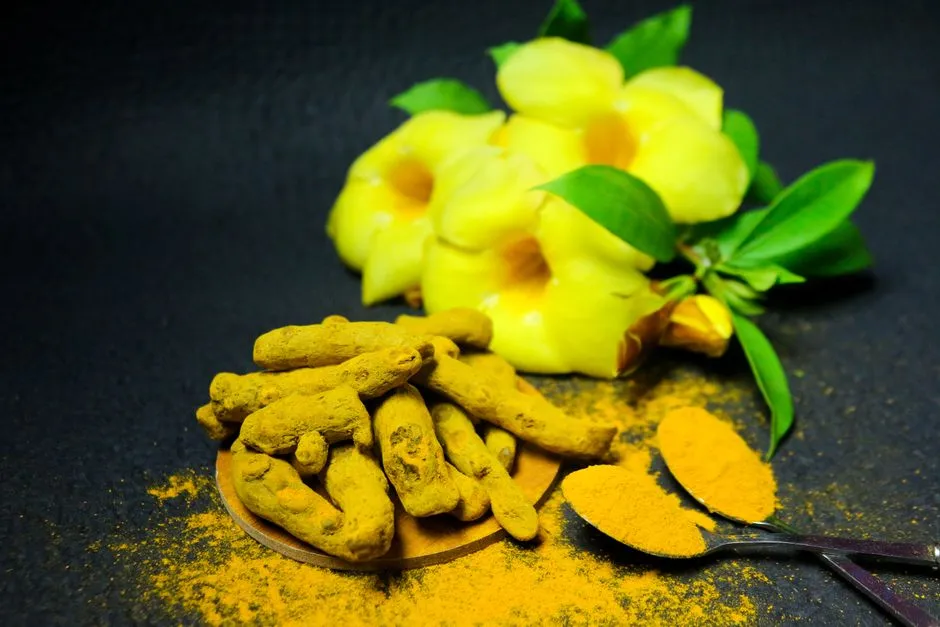
Plant-based dietary patterns—such as the Mediterranean and DASH diets—consistently lower systemic inflammation. These plans emphasize whole foods with antioxidants, dietary fiber, polyphenols, and healthy fats that combat inflammatory compounds. Incorporating anti-inflammatory foods like turmeric, ginger, garlic, cinnamon, and green tea also provides additional antioxidant benefits. By eating more colorful fruits, leafy greens, whole grains, and healthy oils, individuals create an internal environment that supports tissue repair.
Conversely, certain foods can trigger inflammatory pathways, increasing joint pain and tendon stiffness. To support healing, it is best to minimize refined sugars, ultra-processed foods, fried items, red and processed meats, and foods high in trans fats or saturated fats. White starchy foods like white bread and white rice can also contribute to an inflammatory response. Eliminating these triggers reduces unnecessary stress on healing joints and tendons, allowing rehabilitation exercises and medical treatments to be more effective.
The role of collagen supplements and nutrient timing
Key Nutrient Timing & Recovery Tips
- •Take collagen and vitamin C supplements 30 to 60 minutes before physical therapy or rehab exercises to maximize collagen incorporation.
- •Space protein-rich meals evenly throughout the day to maintain a continuous supply of amino acids for tissue repair.
- •Stay consistently hydrated to support the elasticity and shock-absorbing capacity of joint cartilage and tendons.
Researchers and sports medicine professionals have focused on targeted supplementation, particularly hydrolyzed collagen and gelatin. Clinical studies suggest that these supplements—especially when combined with vitamin C—can enhance collagen synthesis in ligaments and tendons. They supply high concentrations of key amino acids like glycine and proline in an absorbable form that the body can direct toward damaged connective tissues.
Timing these nutritional strategies can improve results during rehabilitation. Research indicates that consuming a collagen and vitamin C supplement thirty to sixty minutes before physical therapy or light rehab exercises maximizes the incorporation of new collagen into the healing tendon. Beyond timing, overall macronutrient distribution matters; following a sample athlete weekly meal plan can help with spacing protein-rich meals throughout the day to ensure a continuous supply of amino acids for tissue repair, while hydration maintains the elasticity and shock-absorbing capacity of joint cartilage and tendons. Nutrition is a supporting pillar that, combined with orthopedic care and physical therapy, helps patients return to full performance.
References

The biological link between stress, inflammation, and chronic pain management
Effective wrist strengthening exercises to prevent typing strain and repetitive tendon pain

Related Posts
HEALTHThe biological link between stress, inflammation, and chronic pain management
An in-depth exploration of how psychological stress amplifies chronic pain through inflammatory pathways and how mindfulness techniques can alter these biological responses.
HEALTHEffective wrist strengthening exercises to prevent typing strain and repetitive tendon pain
Discover targeted wrist exercises, stretches, and therapeutic routines designed to prevent computer-related typing strain and repetitive tendon pain.

Popular Posts

A step-by-step guide to managing the film casting process for independent movies
The biological link between stress, inflammation, and chronic pain management
Effective wrist strengthening exercises to prevent typing strain and repetitive tendon pain