Planning a trip to Senegal? The biggest question is how to get around. Let's break down whether you should take a domestic flight or embrace the adventure of a road trip.
So, you’re heading to Senegal. Fantastic choice. It’s a country that pulses with a life force all its own—from the frenetic energy of Dakar's markets to the tranquil, baobab-studded landscapes of the interior. But after booking that flight to Blaise Diagne International Airport, you’ll face a classic traveler’s dilemma: what’s the best way to actually see the country? Are you the type to grab the keys for a spontaneous road trip, or do you prefer the swift convenience of a regional flight?
Honestly, there’s no single right answer. I’ve spent a good amount of time daydreaming about both. The thought of a dusty, music-filled road trip is incredibly romantic, but the idea of hopping on a plane and being on a beach in the Casamance in under an hour is just as tempting. Both options offer vastly different experiences, and the right one for you depends entirely on your budget, your timeline, and, most importantly, your travel philosophy. Let's break it down.
The Freedom of the Open Road: Driving in Senegal
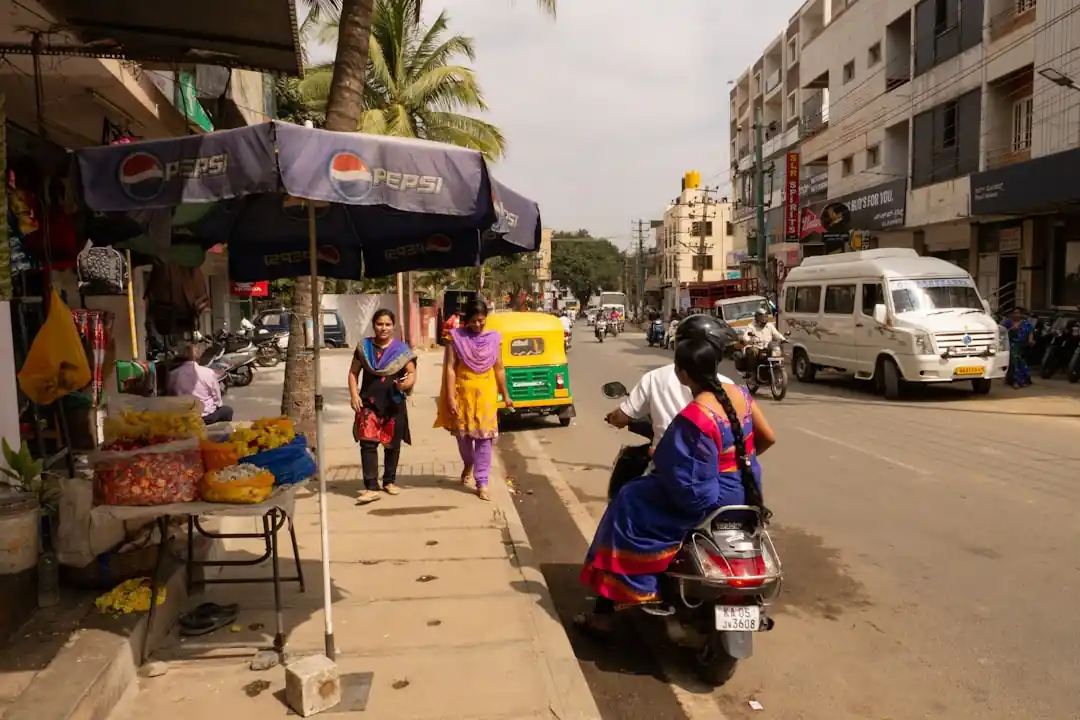
There’s a certain kind of magic that only a road trip can offer. It’s the freedom to be master of your own itinerary, to pull over for a photo of a grazing zebu, to get lost (and then found), and to stumble upon a village market bursting with color and life. Driving through Senegal gives you a front-row seat to the country's incredible diversity. You watch the landscape morph from the urban sprawl of Dakar to arid Sahelian plains and then to the lush greenery of the south. It’s an unfiltered, ground-level experience.
But let’s be real—driving here isn't like a Sunday drive back home. While the main toll highways are modern and well-maintained, many other roads can be a different story. Potholes are common, and once you venture off the primary arteries, you could be dealing with dirt tracks that become a muddy mess during the rainy season (roughly June to October). For this reason, renting a 4x4 is almost always recommended if you plan to do any serious exploring. You’ll also share the road with a lively mix of cars, buses, motorcycles, horse-drawn carts, and the occasional herd of goats. It’s organized chaos, and you have to be a confident, defensive driver to navigate it. Also, a word to the wise: avoid driving at night. Poor lighting and unexpected obstacles make it a risky endeavor.
The Swift Solution: Taking to the Skies
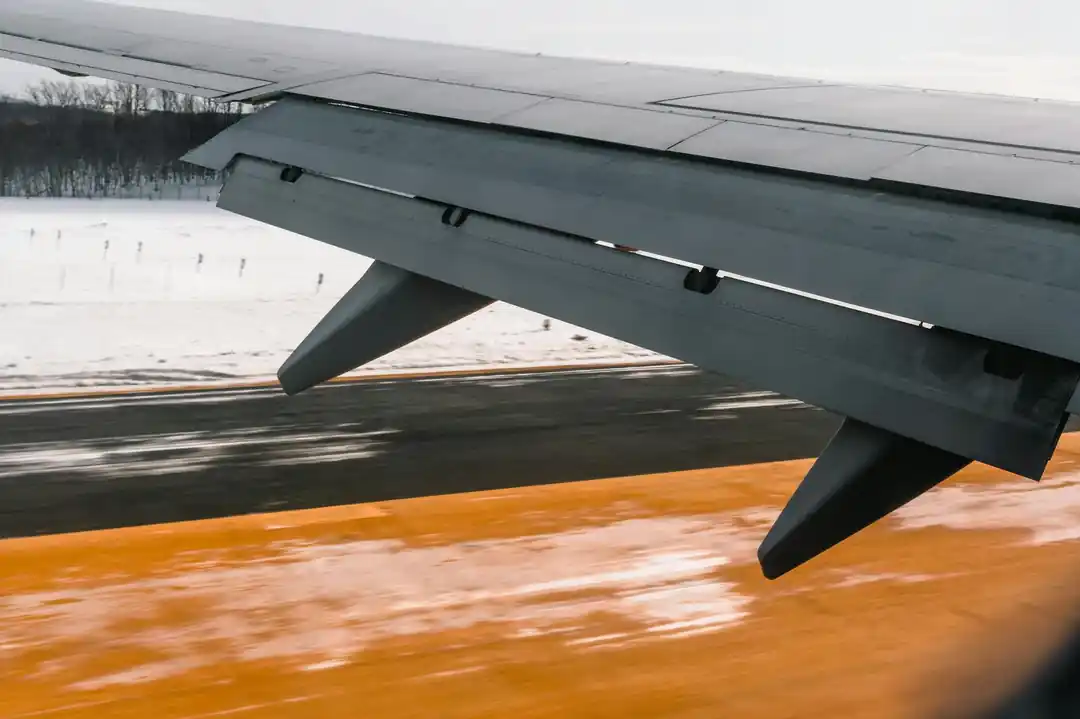
If your time is limited or the thought of navigating Senegalese traffic gives you a headache, then domestic flights are a game-changer. Air Senegal, the national carrier, connects Dakar with key destinations like Ziguinchor and Cap Skirring in the southern Casamance region. This is where flying really shines. A drive from Dakar to Ziguinchor can be a full-day, bone-jarring affair, but a flight takes less than an hour.
The primary benefit is, without a doubt, speed. You can have breakfast in Dakar and be sipping a bissap juice on a beach in Cap Skirring by lunchtime. This efficiency allows you to maximize your vacation time, spending more days relaxing or exploring your destination and fewer days in transit. The planes are typically modern turboprops, and the experience is generally comfortable and straightforward. From a cost perspective, it can be surprisingly competitive. When you factor in the price of a multi-day car rental, fuel, and potential tolls, a one-way flight can sometimes work out to be cheaper, especially if you're traveling solo.
Of course, there's a trade-off. The efficiency of flying means you sacrifice the journey for the destination. You’ll miss the gradual changes in scenery and the serendipitous encounters that happen on the road. You’re essentially teleporting from one point to another, which, for some, can feel a bit sterile. It’s a choice of convenience over immersion.
So, What’s the Verdict?
Ultimately, the choice between driving and flying in Senegal comes down to what you value most in your travel experience.
Choose to drive if:
- You have a flexible schedule and an adventurous spirit.
- You believe the journey is just as important as the destination.
- You want to see the "real" Senegal and have authentic, unplanned interactions.
- You're traveling with a group, which can make the cost of a car rental more economical.
Choose to fly if:
- You are on a tight schedule and want to maximize your vacation time.
- You are traveling a long distance, especially to the Casamance region.
- You are a nervous driver or are not comfortable with potentially challenging road conditions.
- Comfort and convenience are your top priorities.
No matter which path you choose, Senegal will reward you. It’s a country of immense beauty and profound hospitality—the famous Senegalese teranga. Whether you arrive by a dusty road or from the clouds, you’re in for an unforgettable adventure.
Beyond the Basics: Your Guide to Building a Winter Storm Emergency Kit
A Savvy Traveler’s Guide to Currency and Cards in Senegal
Related Posts
 TRANSPORT
Beyond the Highway: Finding Canada's Soul on a Western Rail Adventure
Forget road trips. I'm talking about rediscovering the romance of travel on Via Rail's most scenic routes through the heart of the Canadian West. It’s an experience that changes you.
 TRAVEL TIPS
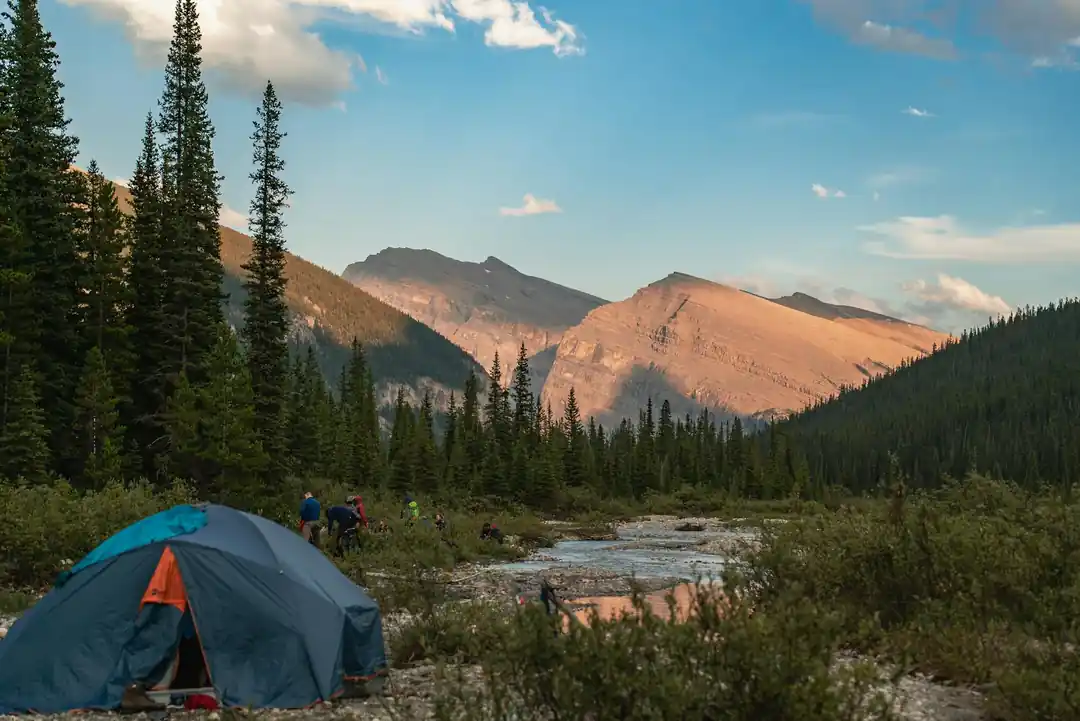
The Unwritten Rules of the North: What to Know Before Camping in Canada
Heading to the Great White North for a camping trip? It's an amazing idea. But from campfire etiquette to wildlife wisdom, here’s what you need to know before you go.
Popular Posts

Rethinking Non-Profit Promotion: Creative Strategies That Actually Drive Event Impact

Beyond Stark White: The Best Interior Paint Colors to Light Up Your New Space

How to Actually Master a New Language on Your Own (No Magic Gene Required)
