The Ultimate Guide to Panama's Weather: When to Chase the Sun
Dreaming of a Panamanian escape but stuck on when to go? Let's break down the seasons to find your perfect window for sunshine and adventure.
Let’s be real for a second. When you close your eyes and picture a tropical vacation, what do you see? I’m willing to bet it involves a healthy dose of sunshine, impossibly blue water, and not a single rain cloud in sight. If you’re nodding along, and Panama is on your travel radar, then you’ve probably asked the golden question: "When is the absolute best time to go for good weather?"
It’s a question I’ve obsessed over for countless trips. There’s nothing more deflating than saving up and planning for months, only to have your beach days washed out by relentless downpours. The good news is that Panama’s weather patterns are fairly predictable. The country has two distinct seasons: the dry season and the wet season. But as I’ve learned, the "best" time isn't just about avoiding rain; it's about what kind of experience you’re searching for.
So, let's get into it. We’ll break down what each season really feels like, so you can trade that weather app anxiety for pure, unadulterated excitement for your Panamanian adventure.
The Golden Window: Panama's Dry Season
If your definition of "good weather" is synonymous with endless sunshine, lower humidity, and brilliant blue skies, then Panama's dry season is your answer. Locally known as verano (summer), this glorious period typically runs from mid-December through mid-April. This is when the country truly throws open its doors for sun-seekers and outdoor adventurers.
During these months, especially from January to March, rain is a rarity on the Pacific coast, where you'll find Panama City and a host of popular beaches. The landscape, while a bit less green, is primed for exploration. Think about hiking through national parks without the trail turning to mud, or island-hopping in the San Blas or Bocas del Toro archipelagos with the sun warming your skin. It’s the kind of weather that just makes everything feel easier and more vibrant.
I once made the mistake of booking a trip to a tropical spot in the heart of their monsoon season, and while I learned to appreciate a good book, my swimsuit felt decidedly neglected. The Panamanian dry season is the antidote to that. It’s the time to confidently pack your lightest clothes, your favorite sunglasses, and all the sunscreen, knowing they’ll be put to good use. This is the high season for a reason—the weather is simply spectacular and reliable.
The Other Side of Paradise: The Green Season
Now, hold on before you write off half the year. The rainy season, or invierno (winter), which spans from late April to early December, has a magic all its own. It’s often called the "green season," and for good reason. The afternoon showers, which are often predictable and short-lived, transform the country into an impossibly lush, emerald-green paradise. The rainforests feel more alive, the waterfalls are more powerful, and the whole country hums with a different kind of energy.
Honestly, there’s something incredibly cozy and romantic about watching a tropical downpour from the comfort of a covered balcony, cocktail in hand. The rain is often a welcome respite from the midday heat, and it rarely washes out an entire day. You can typically plan your activities for the sunny mornings and save the afternoons for a siesta, a museum visit, or simply relaxing.
The perks of traveling during the green season are significant. You'll find far fewer crowds at popular spots, giving you a more intimate experience. Prices for flights and accommodations often dip, making it a more budget-friendly option. For surfers, the Pacific coast gets the best swells during these months. And for wildlife lovers, the abundance of food and water means animals can be more active and easier to spot. It’s a trade-off, for sure—sunshine for solitude and vibrant green landscapes.
So, What's the Verdict?
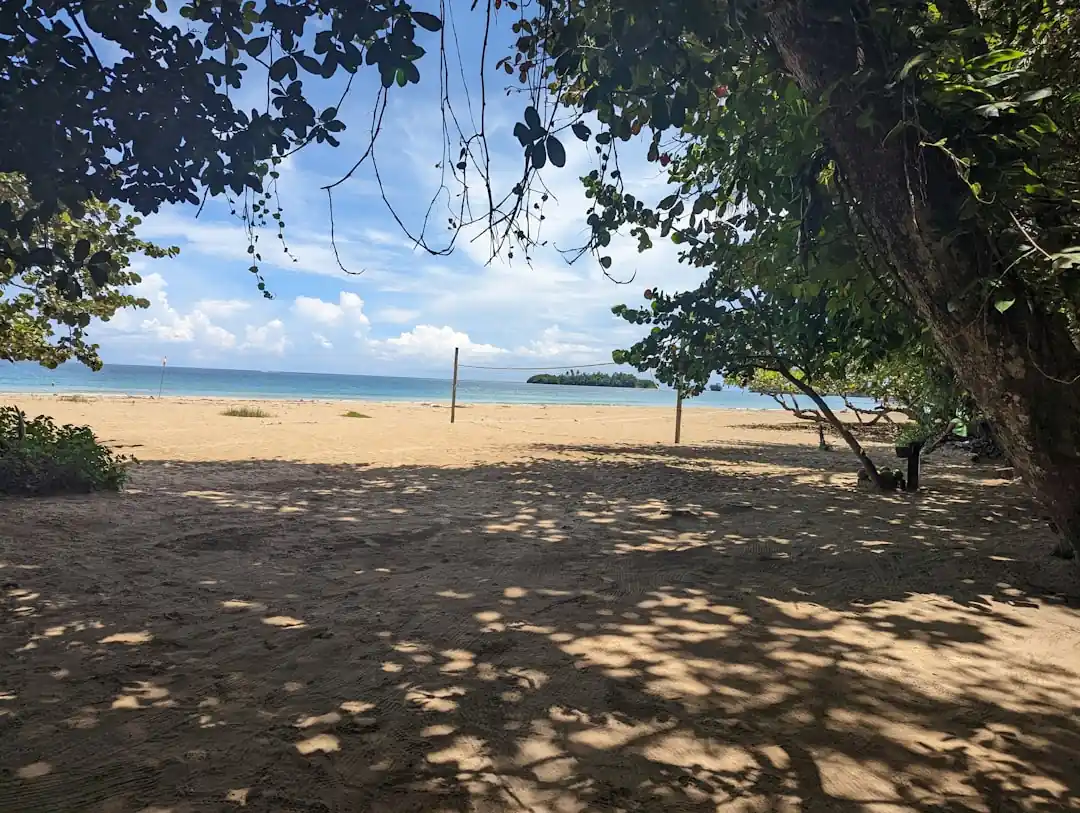
If we're talking strictly about the highest probability of sun-drenched, picture-perfect beach days, then mid-December to mid-April is your best bet. January, February, and March are the absolute peak of this dry perfection, offering the ideal climate for almost any activity you can dream of. It’s the safest choice for a first-time visitor who wants that classic tropical getaway.
However, don't be so quick to dismiss the green season. If you're a traveler who values lush landscapes, fewer tourists, and better deals, visiting between May and November can be an incredibly rewarding experience. You just have to be willing to embrace a bit of unpredictability and the occasional afternoon shower.
Ultimately, the "best" time to visit Panama depends on you. It’s a balance of your tolerance for rain versus your tolerance for crowds and higher prices. No matter when you go, Panama’s warmth—both in its climate and its culture—is a constant. I hope this helps you find your perfect window to explore this truly incredible crossroads of the world.

Finding Your Flow: How to Create a Remote Learning Schedule That Actually Works
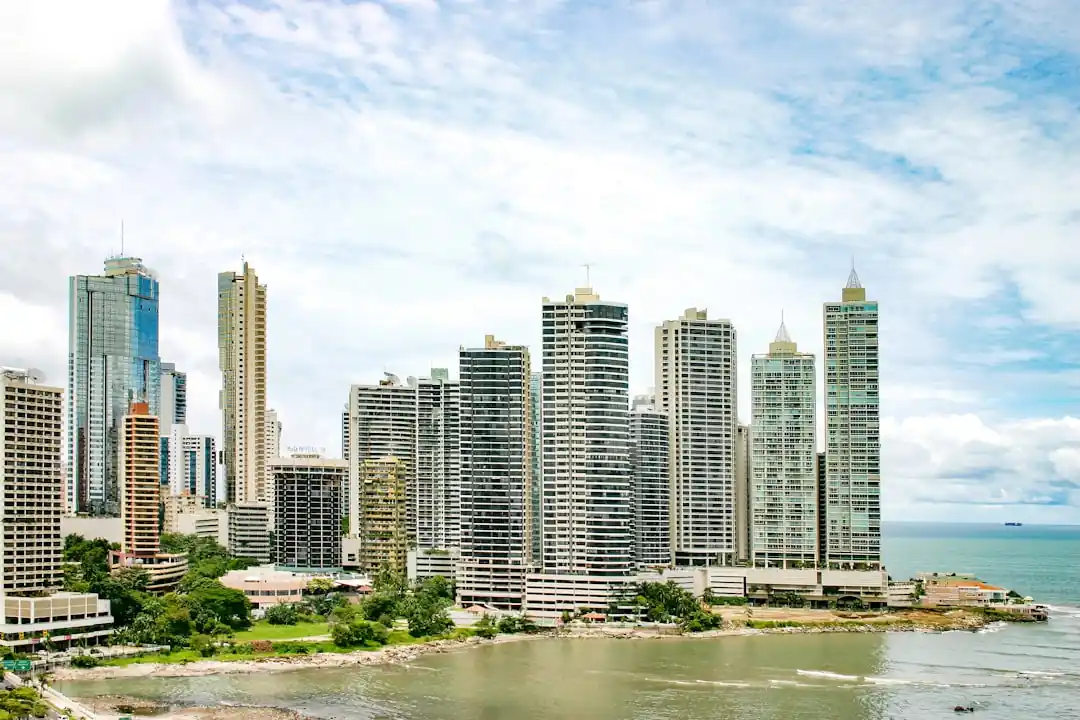
Panama for First-Timers: A Journey Through History, Nature, and Island Dreams
Related Posts
 TRANSPORT
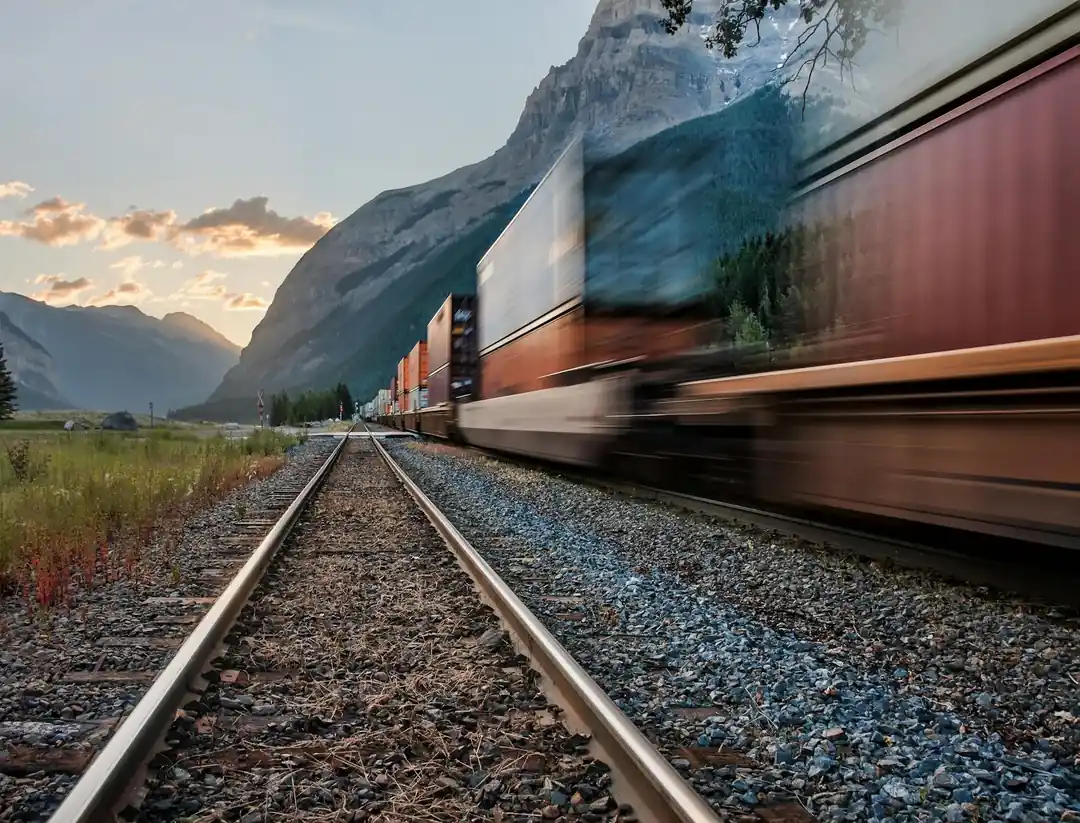
Beyond the Highway: Finding Canada's Soul on a Western Rail Adventure
Forget road trips. I'm talking about rediscovering the romance of travel on Via Rail's most scenic routes through the heart of the Canadian West. It’s an experience that changes you.
 TRAVEL TIPS
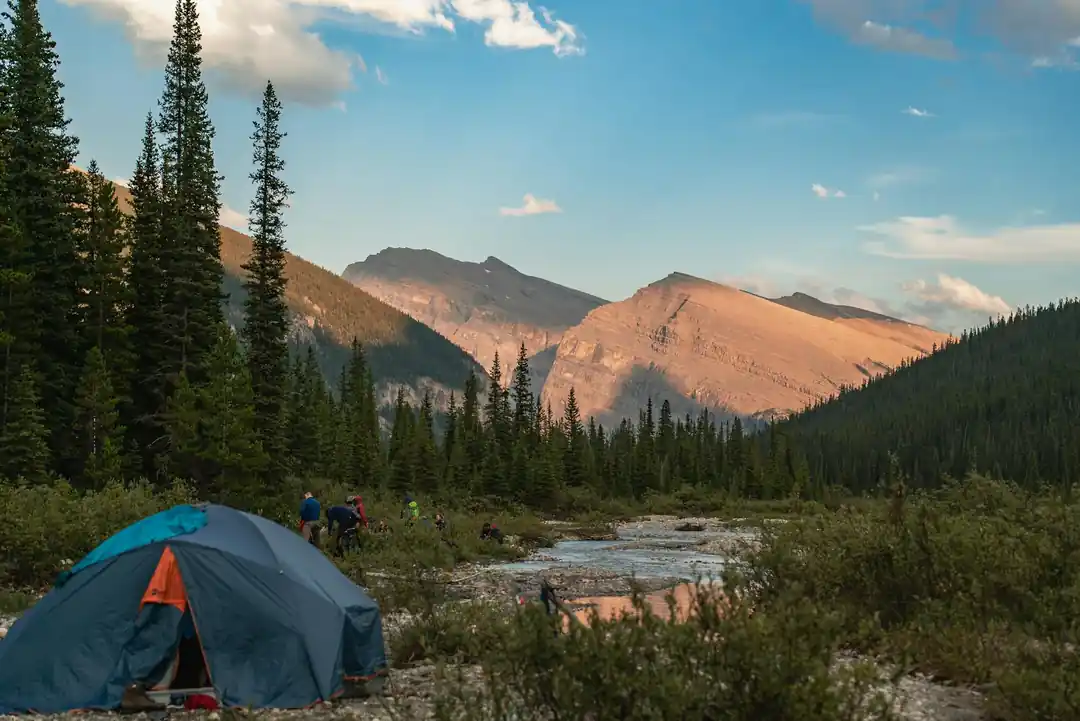
The Unwritten Rules of the North: What to Know Before Camping in Canada
Heading to the Great White North for a camping trip? It's an amazing idea. But from campfire etiquette to wildlife wisdom, here’s what you need to know before you go.

Popular Posts

Rethinking Non-Profit Promotion: Creative Strategies That Actually Drive Event Impact

Beyond Stark White: The Best Interior Paint Colors to Light Up Your New Space

How to Actually Master a New Language on Your Own (No Magic Gene Required)
