Chasing Empires: How to Explore Mughal Architecture on a Budget
Ever dreamed of seeing the Taj Mahal but worried about the cost? Let's break down how to plan an epic, budget-friendly trip to India to explore the breathtaking world of Mughal architecture.
Let’s be honest. For many of us living in the US, the idea of a trip to India feels like a massive undertaking. It’s a place that conjures images of vibrant chaos, fragrant spice markets, and, of course, architectural wonders that seem almost mythical. At the top of that list for me has always been the legacy of the Mughal Empire—grand forts, serene tombs, and gardens that were designed to be a paradise on Earth. For years, I filed it under the “someday, when I have a lot of money” category of travel dreams.
But recently, I started doing some real research, and what I found genuinely surprised me. India, despite its faraway allure, is an incredibly budget-friendly destination. The biggest cost is, without a doubt, the flight to get there. But once you’re on the ground, your dollars can stretch in ways you can’t even imagine in most Western countries. Suddenly, that dream of standing before the Taj Mahal or wandering the abandoned halls of a ghost city didn’t seem so out of reach.
Planning a trip like this isn’t about being cheap; it’s about being smart. It’s about choosing local experiences over tourist traps, embracing public transport, and realizing that some of the best food you’ll ever eat will be from a humble street cart. This is a guide for anyone who has ever wanted to trace the footsteps of emperors without needing an emperor’s treasury.
The Golden Triangle: Your Mughal Starting Point
If you're diving into Mughal history for the first time, there’s no better itinerary than the classic Golden Triangle. It’s a well-trodden path for a reason: it connects three of the most historically significant cities in Northern India—Delhi, Agra, and Jaipur. While Jaipur is more known for its Rajput architecture, Delhi and Agra are the heartland of the Mughal empire. This route is not only efficient but also packed with some of the most iconic structures in the world.
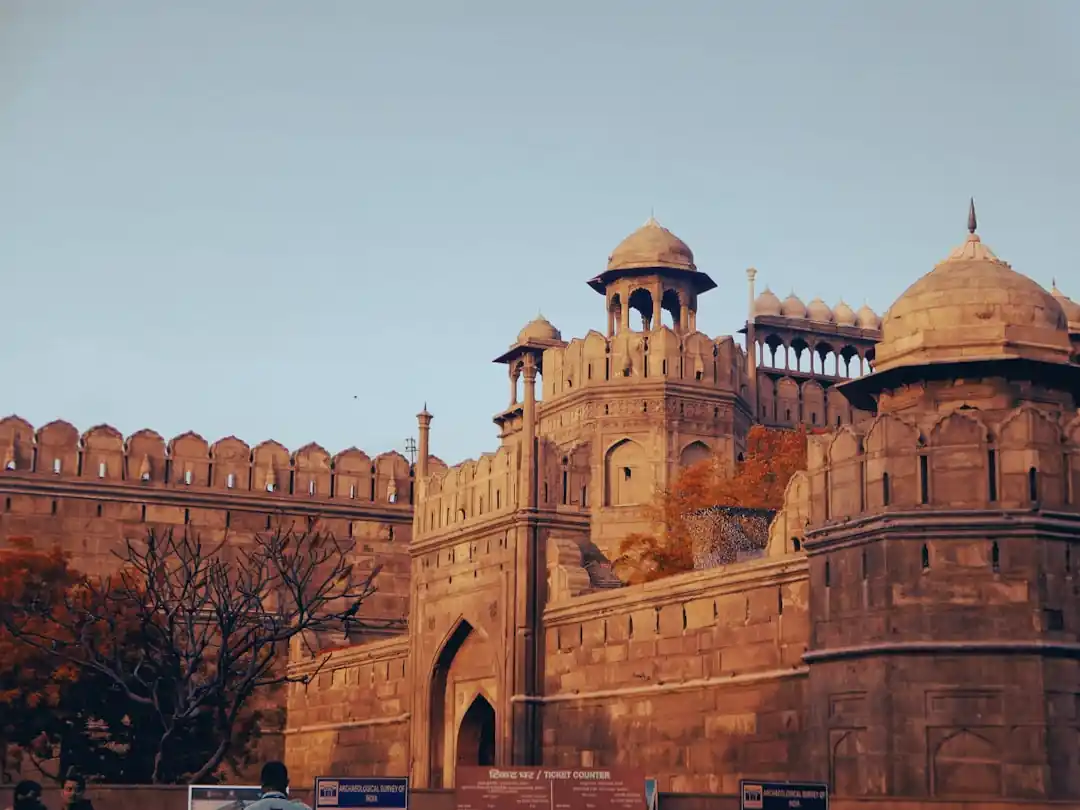
Your journey will likely start in Delhi, a city of incredible contrasts. Here, you’ll find Humayun's Tomb, a stunning precursor to the Taj Mahal, with its perfect symmetry and serene garden setting. It was one of the first garden-tombs on the Indian subcontinent and a truly breathtaking introduction to Mughal design. Then there’s the colossal Red Fort, a powerful symbol of Mughal might, and the Jama Masjid, one of India’s largest mosques, whose courtyard can hold an astonishing 25,000 people.
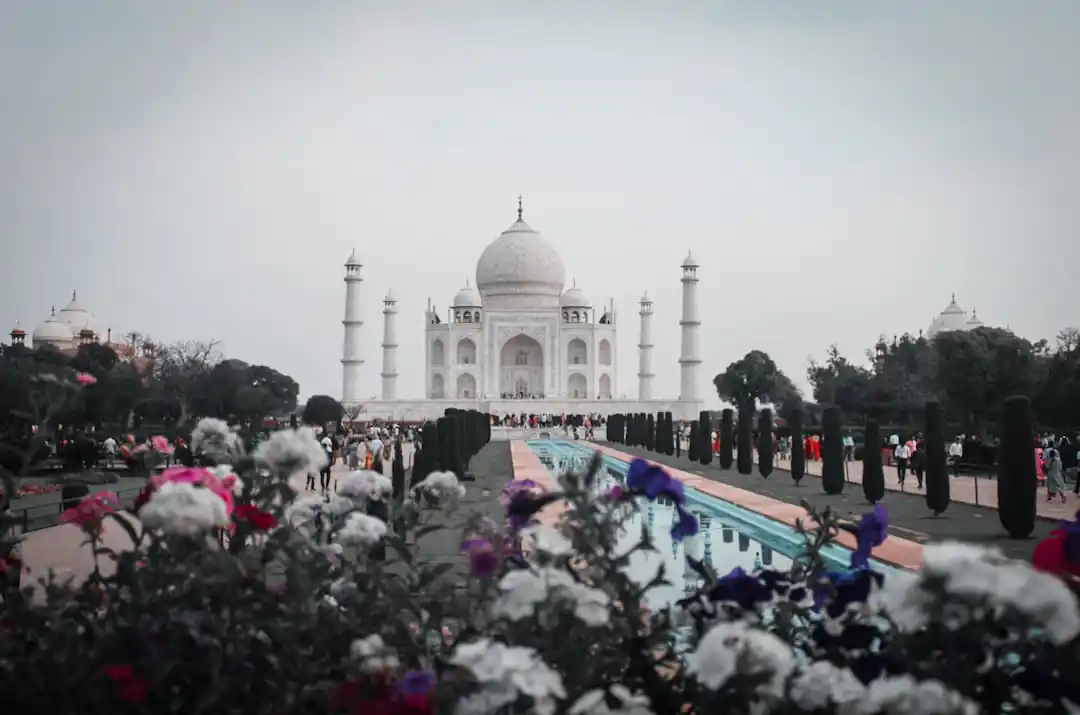
From Delhi, you’ll travel to Agra, home of the one and only Taj Mahal. No picture or documentary can prepare you for the feeling of seeing it in person. It’s a monument that truly lives up to its hype. But Agra has more to offer. The Agra Fort, a massive red sandstone fortress, is a city within a city, holding palaces and mosques that offer a glimpse into the opulent life of the emperors. From its walls, you can see the Taj Mahal in the distance, a poignant view, especially when you learn that the emperor Shah Jahan spent his last years under house arrest here, gazing at the tomb he built for his wife.
Getting Around Without Going Broke
Once you’re in India, transportation is remarkably affordable if you know your options. For traveling between cities like Delhi and Agra, the Indian railway system is an absolute must. It’s one of the largest rail networks in the world and an experience in itself. Booking a ticket in an air-conditioned chair car (AC Chair Car) or a sleeper class for overnight journeys is both comfortable and incredibly cheap. An overnight train is a fantastic hack—it saves you the cost of a hotel for the night and you wake up in a new city.
For shorter distances within cities, auto-rickshaws are everywhere. Here’s a crucial tip: always negotiate the fare before you get in, or insist the driver uses the meter. In Delhi, the metro is a modern, clean, and efficient way to navigate the sprawling city and avoid traffic. Ride-sharing apps like Uber and Ola are also widely available and offer competitive, fixed pricing, which takes the guesswork out of haggling.
Don’t overlook budget airlines for longer domestic journeys. Carriers like IndiGo and SpiceJet offer frequent sales, and if you’re looking to hop from the north to another part of the country, a flight can sometimes be surprisingly economical and save you a significant amount of time compared to a multi-day train journey.

Sleep Like a Sultan on a Traveler's Budget
Accommodation in India offers a vast range of options, and you can find comfortable, clean, and safe places without spending a fortune. In cities like Delhi and Agra, guesthouses and smaller, family-run hotels are fantastic choices. They often provide a more personal touch, and the owners are usually a great source of local tips. I’ve found some of my favorite places to eat based on a simple recommendation from a guesthouse owner.
Hostels are another excellent option, especially for solo travelers or those looking to connect with other people. They are no longer just for the ultra-young backpacker crowd; many offer private rooms in addition to dorms and have a vibrant, social atmosphere. Zostel and Moustache are popular and reliable hostel chains with locations across the country.
To make your budget stretch even further, consider eating at your accommodation. Many guesthouses offer home-cooked meals for a small price, and it’s often some of the most authentic and delicious food you’ll have. Eating a simple, home-cooked thali (a platter with several small dishes) on a rooftop overlooking a bustling city is a core travel memory for me.
Feasting Like an Emperor for a Few Dollars a Day
The food in India is a journey in itself, and thankfully, it’s one of the easiest places to save money. The most flavorful and authentic food is often the cheapest. Street food is a huge part of the culture, and it’s where you’ll find incredible dishes for less than a dollar. From spicy chaat and crispy samosas in Delhi to the sweet petha in Agra, your taste buds will be in heaven. A good rule of thumb is to eat at stalls that are busy with locals—it’s a reliable sign that the food is both good and fresh.
Beyond the street, look for local eateries known as "dhabas." These are traditionally roadside restaurants, but you’ll find them in cities too. They serve hearty, no-frills meals that are packed with flavor and incredibly easy on the wallet. Don't be afraid to walk into a place that looks simple and unassuming; they often have the best food.
One last tip: be mindful of the water. Stick to bottled or filtered water to avoid getting sick, which can quickly ruin a well-planned trip. Most restaurants and hotels will provide safe drinking water. Carrying a reusable water bottle with a built-in filter is also a great, eco-friendly option.
A journey to explore Mughal architecture is more than just a vacation; it’s a step back in time. It’s a chance to witness the ambition, artistry, and romance of one of the world's most powerful empires. And the best part is, you don’t need a king’s ransom to do it. With a bit of planning and an adventurous spirit, you can create an unforgettable trip that is as rich in experience as it is friendly to your wallet.
A US Traveler’s Guide to India’s Mughal Empire Trail
A History Lover's Guide to India: More Than Just the Taj Mahal
Related Posts
 TRANSPORT
Beyond the Highway: Finding Canada's Soul on a Western Rail Adventure
Forget road trips. I'm talking about rediscovering the romance of travel on Via Rail's most scenic routes through the heart of the Canadian West. It’s an experience that changes you.
 TRAVEL TIPS
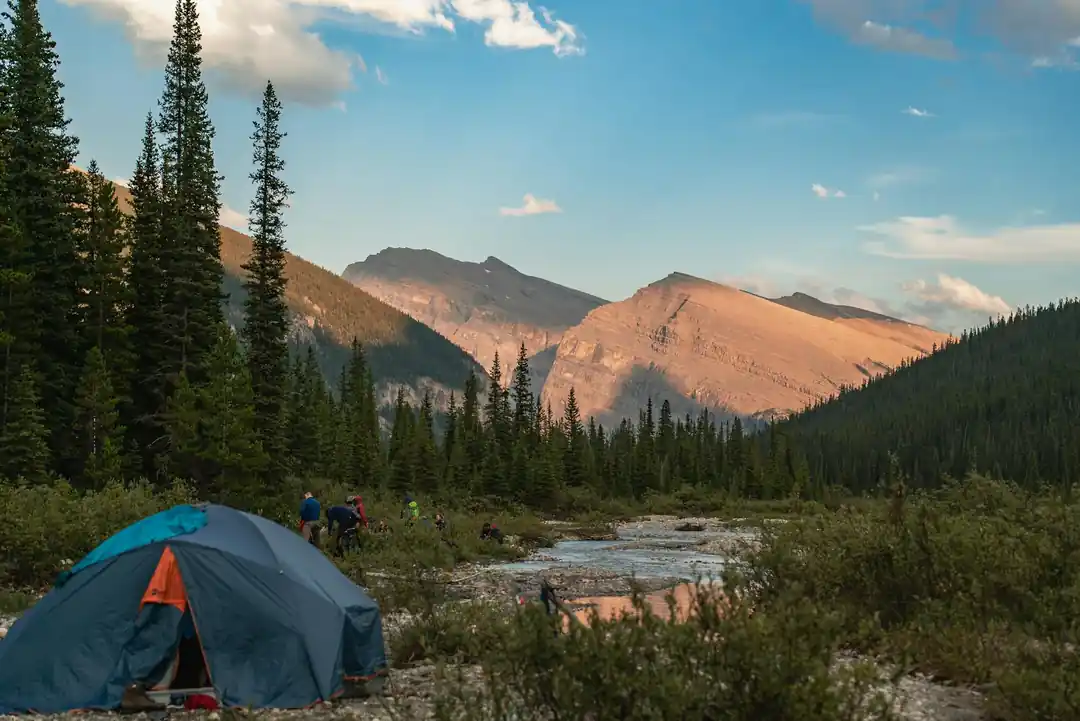
The Unwritten Rules of the North: What to Know Before Camping in Canada
Heading to the Great White North for a camping trip? It's an amazing idea. But from campfire etiquette to wildlife wisdom, here’s what you need to know before you go.

Popular Posts

Rethinking Non-Profit Promotion: Creative Strategies That Actually Drive Event Impact

Beyond Stark White: The Best Interior Paint Colors to Light Up Your New Space

How to Actually Master a New Language on Your Own (No Magic Gene Required)
