Beyond the Headlines: Uncovering the Rich Soul of Angola
A journey into the heart of Angola, exploring the deep historical roots and vibrant cultural rhythms that truly define this captivating African nation.
When you think of Angola, what comes to mind? For many of us in the U.S., the name might conjure vague images of a distant country, perhaps tied to news reports from decades past about conflict and oil. Honestly, that was me not too long ago. My understanding was surface-level at best, a collection of headlines that missed the heart of the nation entirely. But the moment you decide to look a little closer, to peel back the layers of its complex past, you discover a place of breathtaking resilience, profound history, and a culture so vibrant it practically sings.
Angola is not a simple story. It’s a sprawling, epic narrative, written in the ancient stones of powerful kingdoms, the colonial architecture of its coastal cities, and the infectious rhythms of its music. It’s a country that has weathered immense storms—from the horrors of the slave trade to a prolonged civil war—and has emerged not just intact, but with a spirit that is fiercely creative and forward-looking. To truly get to know Angola is to understand that its past and present are in constant, beautiful dialogue.
So, let’s step beyond the easy summaries and take a journey into the real Angola. It’s a story worth knowing.
Echoes of Kingdoms and the Weight of History
Long before European ships first dotted the horizon, this region of southwestern Africa was a hub of powerful and sophisticated societies. The most notable of these was the Kingdom of Kongo, a dominant force from the 14th to the 19th centuries. This was no simple tribal society; it was a highly organized state with a complex political structure, extensive trade networks, and a rich artistic tradition. Its capital, M'banza-Kongo, now a UNESCO World Heritage site, was the heart of this empire, a bustling center of commerce and culture.
The arrival of the Portuguese in the late 15th century marked a pivotal and painful turning point. Initially focused on trade, the relationship soon spiraled into one of colonization and exploitation. For centuries, Angola was a central and tragic hub in the transatlantic slave trade, a devastating period that forcibly removed millions of its people and left scars that are still felt today. This colonial legacy is complex; it brought the Portuguese language and Catholicism, but it also imposed a brutal system that reshaped the nation's destiny.
The fight for independence was a long and arduous struggle, finally achieved in 1975. But the celebration was short-lived. The country was immediately plunged into a devastating civil war that lasted for 27 years, ending only in 2002. Fueled by internal power struggles and the larger dynamics of the Cold War, this conflict took a heavy toll. Yet, it is this very history of struggle and survival that makes Angola’s subsequent peace and cultural vibrancy so incredibly powerful. It’s a testament to the unyielding spirit of its people.
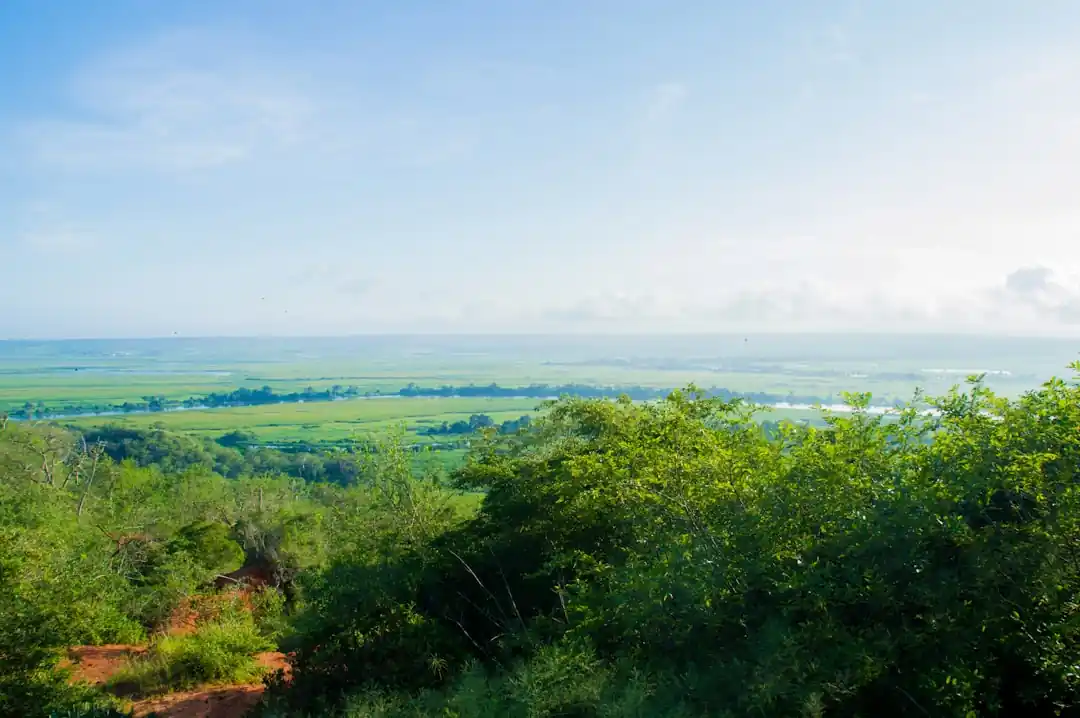
The Rhythms of the Soul: Music, Dance, and Art
If there is one thing that defines Angolan culture for the outside world, it is its music and dance. This isn't just a hobby here; it's the lifeblood of the community, the language of celebration, sorrow, and storytelling. You’ve likely heard of Kizomba, the sensual and romantic partner dance that has exploded in popularity across the globe. Kizomba’s roots run deep in Angola, evolving from another traditional music and dance style called Semba.
Semba is often considered the predecessor to Brazilian Samba, a direct musical link across the Atlantic. It’s a joyful, energetic rhythm that tells stories of daily life, love, and social commentary. To watch Angolans dance Semba is to witness pure, unadulterated joy. And the music doesn't stop there. In more recent decades, the electrifying beats of Kuduro—a high-energy, fast-paced genre that emerged from the suburbs of Luanda—have taken over. It’s a raw, creative, and distinctly Angolan sound that proves the nation’s cultural pulse is always innovating.
This artistic expression extends to the visual arts as well. Angola has a rich heritage of craftsmanship, from the intricate patterns of its basketry to the powerful symbolism of its carved wooden masks and sculptures. The "Thinker," a famous sculpture of a seated figure, has become a national symbol, representing the deep wisdom and reflective spirit of the Angolan people. This art is not just for decoration; it’s a living tradition that carries the stories and beliefs of generations.
A Taste of Angola: Flavors and Community
You can’t talk about culture without talking about food, and Angolan cuisine is a delicious reflection of its history. The foundation of many meals is funge, a smooth, thick porridge made from cassava or corn flour, which serves as the perfect accompaniment to rich, flavorful stews. One of the most beloved national dishes is moamba de galinha (chicken moamba), a savory stew made with palm oil, garlic, okra, and chilies. It’s a dish that speaks of comfort, family, and tradition.
Given its long coastline, it’s no surprise that seafood plays a huge role in the Angolan diet. Grilled fish, fresh from the Atlantic, is a common sight, often seasoned simply with garlic and salt to let the natural flavors shine. The influence of Portuguese cuisine is also evident in many dishes, creating a unique fusion that is both familiar and exotic.
But more than just the ingredients, food in Angola is about community. Meals are a time for gathering, for sharing stories, and for reinforcing the bonds of family and friendship. This sense of community is perhaps the most enduring and important aspect of Angolan culture. It’s the social fabric that held the nation together through its most difficult times and continues to be the source of its strength.
Angola is a country that defies easy categorization. It is a place where the echoes of history are present in the everyday, where the pain of the past has given way to a culture of incredible strength and creativity. It’s in the rhythm of Kizomba, the taste of moamba, and the warm, welcoming smiles of its people. It’s a journey that rewards the curious traveler with a story of resilience that will stay with you long after you’ve left.
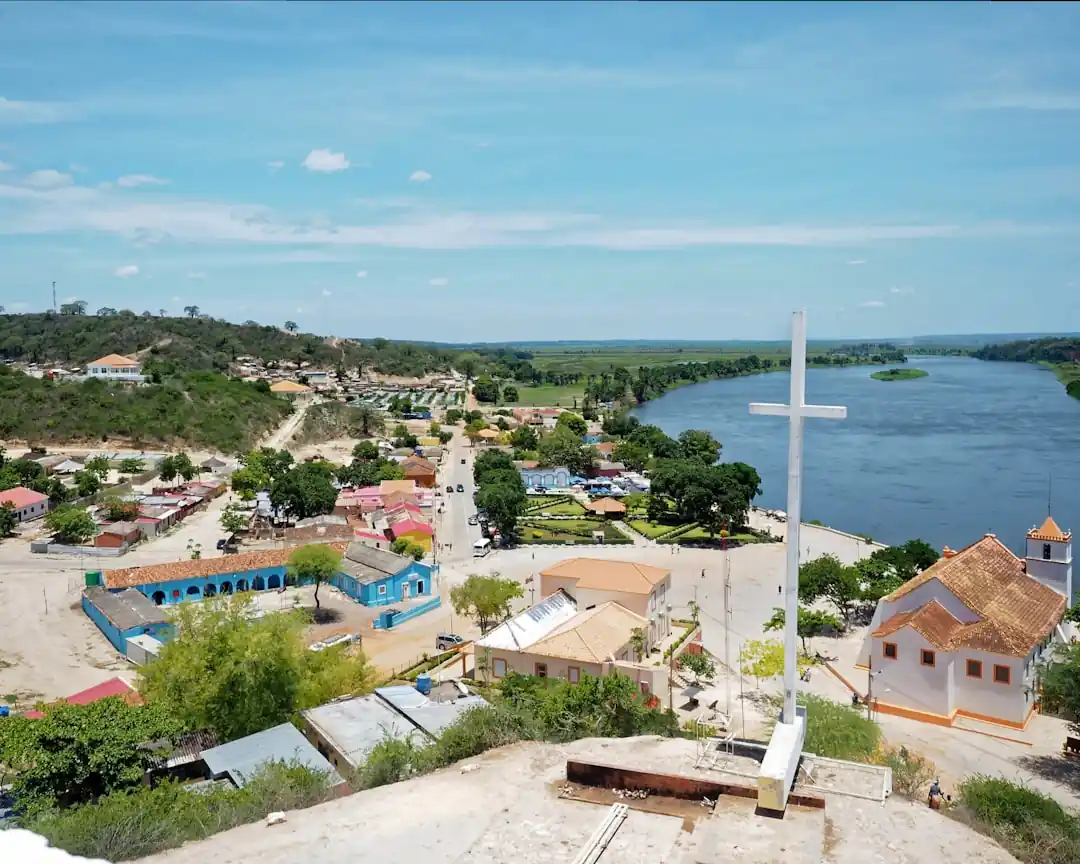
Your Complete Guide to Angola Visa Requirements for US Tourists
More Than a Ball Drop: New Year's Rituals Around the World That Will Amaze You
Related Posts
 TRANSPORT
Beyond the Highway: Finding Canada's Soul on a Western Rail Adventure
Forget road trips. I'm talking about rediscovering the romance of travel on Via Rail's most scenic routes through the heart of the Canadian West. It’s an experience that changes you.
 TRAVEL TIPS
The Unwritten Rules of the North: What to Know Before Camping in Canada
Heading to the Great White North for a camping trip? It's an amazing idea. But from campfire etiquette to wildlife wisdom, here’s what you need to know before you go.

Popular Posts

Rethinking Non-Profit Promotion: Creative Strategies That Actually Drive Event Impact

Beyond Stark White: The Best Interior Paint Colors to Light Up Your New Space

How to Actually Master a New Language on Your Own (No Magic Gene Required)
