Thriving under pressure: pre-competition mindset strategies to manage anxiety
Explore evidence-based strategies for athletes to manage competitive anxiety, develop a clutch mindset, and thrive under pressure through cognitive, physiological, and training techniques.
Understanding competitive anxiety and its sources
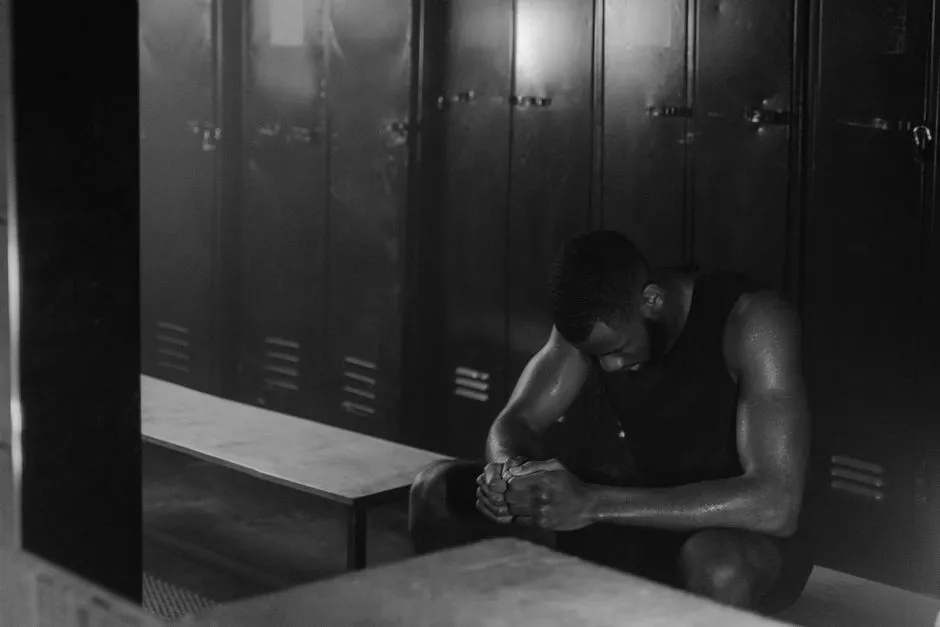
Competitive anxiety is a common challenge in sports; recent data indicates that 77 percent of athletes experienced performance anxiety within the past year. This happens when individuals perceive a competitive situation as highly stressful and doubt their ability to cope with the demands they face. While some physiological arousal is necessary for optimal performance, excessive arousal paired with anxiety can hinder psychological and physical readiness. When athletes cannot manage this response, they may experience overwhelming worry, which detracts from their ability to execute well-practiced skills.
The root causes of competitive anxiety are generally linked to specific stressors, which are demands that an athlete feels ill-equipped to overcome. These stressors typically fall into a few areas: organizational factors stemming from the team or environment, competitive stressors related to the contest, and individual stressors arising from personal circumstances. As athletes encounter these environments, they often exhibit physical, cognitive, and behavioral symptoms, such as a pounding heart, shallow breathing, poor concentration, a loss of confidence, or avoidant behaviors like playing overly cautiously.
Whether an athlete ultimately succumbs to competitive anxiety depends heavily on how they evaluate the stressor and their perceived coping mechanisms. This process involves identifying available coping options, assessing if they will be effective, and determining if they can execute the chosen method successfully. For instance, an athlete facing intense pre-game nerves must decide if a physical technique like muscle relaxation or a cognitive technique like positive self-talk is the right tool for the moment. Merely knowing that psychological skills exist is insufficient; athletes must have the confidence to apply them effectively during competition.
Developing a clutch performance mindset
Athletes who excel in high-stakes situations exhibit what is known as clutch performance, unlike those who succumb to performance anxiety—a common experience in public speaking—often referred to as "choking." Clutch performance is the ability to deliver an optimal level of execution when pressure is at its peak and the consequences of success or failure are most significant. Rather than allowing stress to derail their efforts, clutch performers demonstrate focus, emotional regulation, and composure. This capability is a trainable skill that can be developed through deliberate psychological preparation.
Athletes who consistently deliver clutch performances share several characteristics that allow them to thrive. Chief among these is task-focused attention, which enables them to block out external distractions and remain concentrated on the execution of the skill rather than the potential outcome. Furthermore, they rely on automaticity in skill execution, trusting their well-practiced movements to minimize the need for conscious control. This automaticity, combined with a sense of perceived control and self-efficacy, reduces the likelihood of mechanical breakdowns under pressure.
A first step in cultivating this mindset involves teaching athletes to reframe how they interpret pressure. Research indicates that athletes who view high-pressure situations as challenges rather than threats are more likely to succeed. This cognitive shift requires athletes to separate the concept of playing well from the ultimate outcome of winning. By establishing process-oriented goals and focusing on specific execution details—such as maintaining proper form or following through on a motion—athletes can alleviate the burden of outcome-based expectations and transform anxiety into productive, competitive energy.
Essential mental strategies for focus and composure
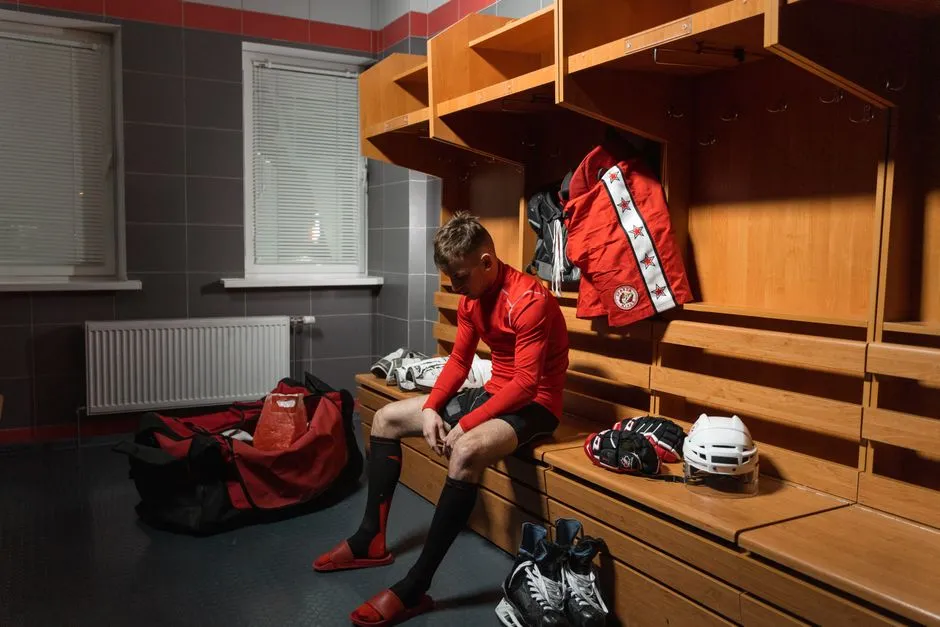
To maintain concentration during competition, athletes can use visualization and mental imagery. Visualization involves the mental rehearsal of actions, successful plays, and potential challenges prior to the event. By imagining the successful execution of specific skills, athletes train their cognitive pathways to react calmly and instinctively when faced with the real scenario. Engaging in targeted visualization exercises for short periods before a competition has been shown to enhance both motor skill proficiency and overall confidence, leaving athletes better prepared for worst-case scenarios.
In addition to mental rehearsal, establishing consistent pre-performance routines and practicing mindfulness meditation are important for anchoring an athlete's focus. Mindfulness meditation trains individuals to remain in the present moment, acknowledging bodily sensations and surroundings without becoming attached to worries about past mistakes or future consequences. When paired with a structured pre-game routine—whether that involves a specific warm-up sequence or a designated playlist—mindfulness helps block out external distractions. These routines are psychological signals, informing the brain that it is time to transition into a state of competitive focus.
Maintaining composure also requires active emotional regulation through positive self-talk and cue statements. An athlete's internal dialogue significantly influences their emotional state; critical or negative thoughts can quickly amplify anxiety. To counteract this, athletes should learn to recognize automatic negative thoughts and replace them with short, personal, and positive cue statements. Whether the phrase is a reminder to trust their training or a specific technical instruction, these concise mental cues help athletes quickly refocus their attention on the immediate task and re-center their mindset after a mistake or an unexpected disruption.
Physiological regulation techniques
4-Second Box Breathing Technique
1. Inhale
Inhale deeply into the diaphragm for 4 seconds.
2. Hold
Hold breath for 4 seconds to stabilize the autonomic nervous system.
3. Exhale
Exhale slowly and completely for 4 seconds to lower heart rate.
4. Hold
Hold breath again for 4 seconds before repeating the cycle.
While cognitive strategies are essential for maintaining focus, athletes must also address the physiological arousal that accompanies competitive anxiety. When stress levels rise, the body's autonomic nervous system reacts with a fight-or-flight response, leading to rapid, shallow breathing and muscle tension. If left unmanaged, these physical symptoms can degrade coordination, timing, and athletic execution. Therefore, equipping athletes with techniques to regulate their physiological state is a key part of mental preparation.
Controlled breathing exercises are among the most accessible and effective tools for immediate anxiety management during a competition. Under stress, athletes tend to resort to shallow chest breathing, which exacerbates feelings of panic and tension. By shifting to deep, diaphragmatic breathing, athletes can lower their heart rate and signal the nervous system to calm down. Techniques such as box breathing—which involves inhaling, holding the breath, exhaling, and holding again in equal four-second intervals—provide a structured way for athletes to regain physical composure before a key play begins.
Another effective method for mitigating physical anxiety symptoms is Progressive Muscle Relaxation (PMR). This technique involves systematically tensing and then slowly releasing specific muscle groups. By deliberately creating and then alleviating tension, athletes develop a better awareness of where they hold stress and gain more physical control over their nervous system. Practicing PMR before an event allows athletes to enter the competition in a relaxed, loose physiological state, preventing the rigid movements that often result from unmanaged nervous energy.
Implementing pressure training in practice
Pressure Training Implementation Strategies
- Incorporate competition simulations — Add real game elements such as official scoring, crowd noise, and public evaluations.
- Introduce elements of unfairness — Test emotional regulation using imbalanced teams or poor officiating.
- Attach stakes to practice outcomes — Include consequences such as facility cleaning or extra tasks to mirror real competition.
- Conduct post-practice debriefs — Guide athletes to reflect on their thoughts, coping strategies used, and their effectiveness.
For athletes to deploy mental and physiological coping strategies during a real competition, they must first practice them under realistic conditions through pressure training. Pressure training involves exposing athletes to appropriate stressors in a practice environment while coaching them on how to use their coping mechanisms. This approach is distinct from simply making drills physically more difficult; instead, it aims to recreate the psychological demands of an actual event. By gradually increasing exposure to manageable stress, athletes build resilience and confidence in their ability to handle adversity.
Coaches can introduce pressure into practice sessions through several targeted strategies. Competition simulations can be enhanced by incorporating real game elements such as official scoring, crowd noise, or public evaluations. Additionally, coaches might introduce elements of unfairness, such as imbalanced teams or poor officiating, to test athletes' emotional regulation in real-time. Attaching stakes to practice outcomes—such as requiring the losing team to clean the facility or complete extra tasks—elevates the emotional investment and mirrors the consequences athletes face in official contests.
The final and most important part of effective pressure training is the post-practice debrief and review process. After a high-pressure simulation, athletes must be given the opportunity to reflect on their emotional and behavioral responses to the stress they just experienced. Coaches can guide this reflection by asking what the athletes noticed regarding their thoughts, which coping strategies they attempted to use, and how effective those strategies were. This reflection helps athletes apply practice scenarios to actual competition, ensuring they are mentally equipped to adapt and thrive.
References
Related Posts
 HEALTH
Macronutrient timing and meal planning for optimal workout recovery
Discover the science behind macronutrient timing, and learn how to strategically plan your meals for optimal workout recovery, muscle growth, and endurance.
 HEALTH
How to structure strength training splits for peak athletic performance
Discover how athletes use periodization and targeted workout splits to continuously build strength, prevent injuries, and achieve peak physical performance.

Popular Posts
Macronutrient timing and meal planning for optimal workout recovery
How to structure strength training splits for peak athletic performance
Psychological strategies for staying motivated during long-term athletic rehab