Physical Silver vs. Silver ETFs: Which Shines Brighter for Your Portfolio?
Navigating the world of silver investment can feel a bit like choosing between a tangible treasure chest and a digital vault. Let's unpack the pros and cons of holding physical silver versus investing in silver ETFs.
Deciding where to put your money is never a simple task, and when you venture into the world of precious metals, it adds a whole new layer of complexity. For years, I’ve heard people talk about silver as this incredible, often-underestimated asset. It’s not just a pretty metal for jewelry; it’s a critical component in everything from solar panels to medical devices, and it has a history as a store of value that stretches back millennia. The real question for a modern investor, though, isn't just if you should invest in silver, but how.
This brings us to the core of the debate: should you buy physical silver that you can hold in your hand, or should you opt for the convenience of a silver ETF (Exchange-Traded Fund)? Honestly, there’s no single right answer, and anyone who tells you otherwise is probably selling something. The best choice for you depends entirely on your goals, your risk tolerance, and even your personal philosophy on what it means to "own" something. Let's walk through this together, almost like we're sitting down for a coffee, and unpack the real-world pros and cons of each approach.
The Case for Physical Silver: Tangible, Timeless, and Truly Yours
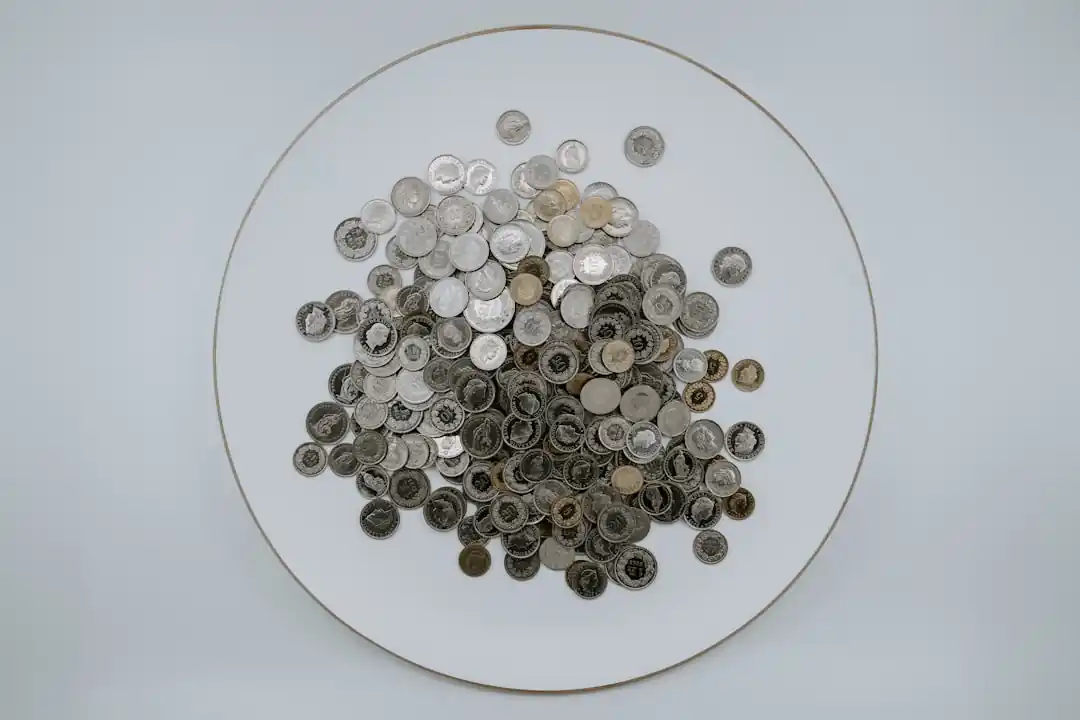
There's a certain feeling you get from holding a solid silver bar or a beautifully minted coin. It feels real, substantial, and permanent in a way that a line on a brokerage statement just doesn't. This is the primary allure of physical silver: it is a tangible asset. You own it directly, and it exists outside of the digital financial system. In a world of market volatility and complex financial instruments, the simplicity of holding a real asset can be incredibly reassuring. You're not dependent on a fund manager or a bank to validate your ownership; it's right there in your possession.
This direct ownership model completely eliminates counterparty risk. When you own physical silver, there's no third party that could fail or default, jeopardizing your asset. The financial crises of the past have taught us that even the most stable-seeming institutions can face turmoil. For investors who prioritize wealth preservation and want a hedge against systemic financial risk, physical silver offers a level of security that paper assets can't match. It's a "just in case" asset that has proven its worth time and time again throughout history.
However, this tangible security comes with its own set of responsibilities. The most obvious one is storage. You can't just leave a significant investment lying around. You'll need to consider a high-quality home safe, a bank's safe deposit box, or a specialized third-party vault. Each of these options has associated costs and security trade-offs. Furthermore, buying and selling physical silver involves premiums over the "spot price" (the market price of raw silver). These premiums cover the costs of minting, distribution, and the dealer's profit, and they can eat into your returns, especially on smaller purchases. Liquidity can also be a challenge; selling physical silver isn't as simple as clicking a button. It requires finding a reputable dealer and may take more time than selling a stock or ETF.
The Argument for Silver ETFs: Liquid, Convenient, and Low-Friction
Now, let's shift gears and look at the digital counterpart: silver ETFs. For many investors, especially those who are active traders or who value convenience above all else, ETFs are a game-changer. A silver ETF is a fund that holds physical silver bullion in a secure vault and then sells shares of that fund on the stock market. This means you can buy and sell silver exposure with the same ease as trading a stock like Apple or Tesla. The liquidity is incredibly high, and transaction costs are typically very low.
The convenience factor cannot be overstated. With an ETF, you completely bypass the logistical headaches of physical ownership. There are no storage fees to worry about, no insurance policies to take out, and no need to find a trustworthy dealer. The fund handles all the security and storage, and the annual management fees (known as the expense ratio) are often significantly lower than the combined costs of storing and insuring a physical stash, especially for smaller to medium-sized investments. This makes silver investing accessible to a much broader range of people.
Of course, this convenience comes with a critical trade-off: you don't actually own the silver. You own shares in a trust that owns the silver. This introduces counterparty risk. You are trusting the fund provider, the custodian bank, and the entire financial plumbing to work as intended. While major ETFs are managed by reputable institutions, you are still one step removed from the actual asset. In a severe financial crisis, questions can arise about whether you could actually redeem your shares for the physical metal, and the fine print in the fund's prospectus often gives them significant leeway. It's a risk that feels distant in normal times but becomes very real when markets are in turmoil.
So, Which Path Is Right for You?
As you can probably tell, there’s a fundamental tension here between security and convenience. Physical silver offers the ultimate in direct ownership and protection from financial system failures, but it comes with higher costs and less liquidity. Silver ETFs offer unparalleled ease of use and low transaction costs, but they require you to accept a layer of counterparty risk and indirect ownership.
For some, a hybrid approach makes the most sense. They might hold a core position in physical silver as a long-term, worst-case-scenario hedge, while using a silver ETF for more tactical, short-term trading to capitalize on price movements. This allows them to enjoy the benefits of both worlds.
Ultimately, the decision rests on your personal investment philosophy. If you are a long-term wealth preserver who believes in holding tangible assets as a form of financial insurance, physical silver is likely your best bet. If you are a more active investor who wants to easily move in and out of positions and use silver as a portfolio diversifier, an ETF might be a more practical tool. There's no shame in either choice. The most important thing is to understand the trade-offs you're making and to choose the path that lets you sleep best at night.

More Than a Pretty Voice: The Real Skills You Need for a Voice Acting Career
Your Guide to a DIY Home Energy Audit: Stop Leaks and Start Saving

Related Posts
 BUSINESS
Rethinking Non-Profit Promotion: Creative Strategies That Actually Drive Event Impact
Discover modern, research-backed strategies for promoting non-profit fundraisers, from experiential marketing to hyper-local micro-influencers and cross-sector partnerships.
 BUSINESS
Is the TV Ad Dead? A Deep Dive into Cost and Effectiveness in 2024
In an age of streaming and scrolling, is a TV commercial still a smart bet for brands? We're breaking down the real costs and surprising effectiveness of television advertising today.

Popular Posts
Rethinking Non-Profit Promotion: Creative Strategies That Actually Drive Event Impact

Beyond Stark White: The Best Interior Paint Colors to Light Up Your New Space

How to Actually Master a New Language on Your Own (No Magic Gene Required)
