Tired of the same old movie night? It's time to lock your friends and family in a room (lovingly, of course) and watch them puzzle their way out. Here's how to create a magical DIY escape room right in your living room.
I’ll never forget the first time I tried an escape room. The frantic energy, the ticking clock, the collective gasp when someone finally found the hidden key—it was electric. For sixty minutes, a group of us were completely transported, working as a single unit to unravel a mystery. I walked out of there buzzing, not just from the thrill of victory, but from the sheer joy of that shared experience. My immediate thought was, "I need more of this in my life." My second thought was, "This must be incredibly complicated to create."
For a long time, I believed that the magic of escape rooms was something you had to pay for, something that could only happen in a specially designed, professional venue. The idea of recreating that experience at home felt daunting, like trying to build a rollercoaster in your backyard. But after a bit of research and a few brave experiments, I discovered a wonderful secret: creating a DIY escape room is not only achievable, but it’s also one of the most rewarding and fun hosting projects you can possibly undertake.
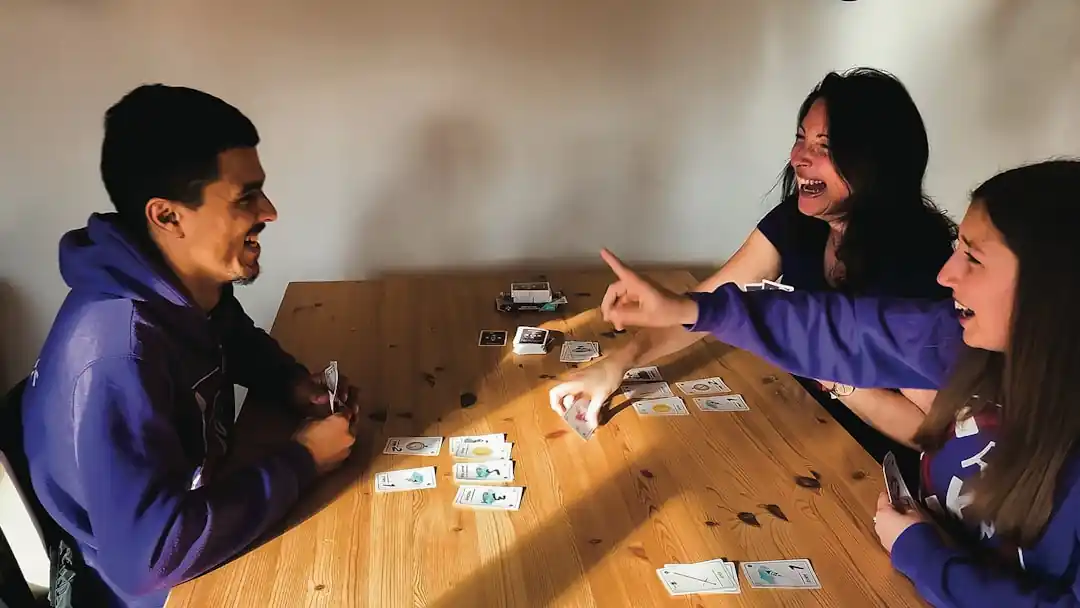
Honestly, the beauty of a home-built escape room is its heart. You get to pour your own creativity and personality into every clue. You can tailor the theme to your friends' inside jokes, hide a puzzle in a book you know they love, or build a story around a shared memory. It transforms a simple game night into a deeply personal and unforgettable event. It’s a chance to get everyone off their phones and truly connect, collaborating and laughing their way through a challenge you designed just for them.
Choosing Your Grand Theme and Story
Before you even think about a single puzzle, you need a theme. The theme is the soul of your escape room; it’s the narrative thread that ties everything together and makes the experience immersive. Without a strong, compelling theme, you just have a random collection of puzzles in a room. With one, you have an adventure. Are your players solving a cold case as noir detectives? Are they intrepid explorers searching for a lost artifact in a jungle temple? Or perhaps they're students in a magical academy who've been locked in the potions classroom?
Brainstorming the theme is half the fun. Think about your players and what gets them excited. Do they love sci-fi, fantasy, history, or a good old-fashioned spy thriller? A theme like "Mad Scientist's Lab" opens the door for puzzles involving fake chemical formulas and blacklight messages. A "1920s Speakeasy Heist" could involve decoding messages on cocktail napkins and finding clues hidden in jazz records. Don't feel pressured to pick something overly complex; a simple, well-executed theme is far more effective than an ambitious one that falls flat.
Once you have your theme, craft a simple but engaging story. This is your hook. It should explain who the players are, what their objective is, and why they only have a limited time to achieve it. This backstory can be delivered in a short letter or a pre-recorded video message right at the start. For example: "Welcome, agents. You've been captured by the notorious double-agent, 'The Shadow.' You have 60 minutes to find the secret dossier and escape before he returns and erases you from history." This simple premise immediately sets the stakes and gives the players a clear, urgent goal.
The Heart of the Matter: Designing Puzzles
This is where your inner game master gets to shine. The best DIY escape rooms feature a variety of puzzles that cater to different ways of thinking. You'll want a mix of observational challenges, logic problems, wordplay, and maybe even a physical task or two. The goal is to make sure everyone on the team has a moment where their unique skills can save the day. A great starting point is to think about how you can use everyday household items in clever new ways.
One of the most effective and simple puzzle types is the classic lockbox. You can use any box you have—a shoebox, a small chest, a briefcase—and secure it with a simple combination or key padlock. The puzzle then becomes about finding the combination or the key. You could hide numbers in a photo frame, write them in invisible ink on a piece of paper, or have them be the answer to a series of riddles. A personal favorite is the "book cipher," where a clue points to a specific book on your shelf, and the combination is found using a page number, line number, and word number (e.g., page 42, line 7, word 3).
Don't be afraid to get a little crafty. Blacklight pens are inexpensive and can create incredible "aha!" moments when players discover a hidden message on a wall or a seemingly blank document. You can also create simple ciphers, like a substitution cipher where each letter is replaced by a symbol. Provide a key somewhere else in the room that players have to find first. The key is to create a logical flow. Puzzle A reveals the clue for Puzzle B, which in turn helps solve Puzzle C. This creates a satisfying sense of progression and keeps the momentum going.
Setting the Stage and Being the Game Master
With your story and puzzles ready, it's time to set the stage. Atmosphere is everything. You want to transform your space so that players feel like they've truly stepped into another world. This doesn't require a Hollywood budget. Smart use of lighting and sound can do most of the heavy lifting. Dim the lights for a mysterious or spooky theme, or use colored light bulbs to change the mood of the room. A simple Bluetooth speaker playing a curated playlist—creepy ambient sounds, adventurous orchestral music, or swinging jazz—can instantly elevate the experience.
Next, place your props and clues. Be deliberate about it. Hide things in places that require a bit of searching but aren't impossible to find. Under a rug, taped to the bottom of a chair, inside a book, or within a set of Russian dolls are all fantastic options. It's also wise to have a few red herrings—objects that fit the theme but aren't part of a puzzle—to make the challenge a little more difficult. Before your players arrive, do a full walkthrough to make sure everything is in its right place and that the puzzle flow makes sense.
Your final role is that of the Game Master. You are the director of this little play. Your job is to watch the players (discreetly, if possible) and be ready to provide hints if they get truly stuck. You don't want to give away the answers, but you also don't want them to spend thirty minutes frustrated on a single puzzle. Prepare a few tiered hints for each puzzle, from a vague nudge to a more direct clue. Delivering these hints in character—perhaps as a mysterious voice from a "walkie-talkie" or a cryptic note slipped under the door—keeps the immersion alive and ensures everyone has a great time.
The real victory of a DIY escape room isn't just about "escaping." It's about the laughter, the high-fives after a tough puzzle is solved, and the collaborative energy that fills the room. It’s about creating a space where, for just an hour, everyone gets to be a hero in a story. And the best part is, you were the one who wrote it for them.

The Ultimate Guide to Homemade Chicken Nuggets (You'll Never Go Back)
The New Playbook: 5 Unconventional Ways to Boost Restaurant Profitability
Related Posts
 HOBBIES
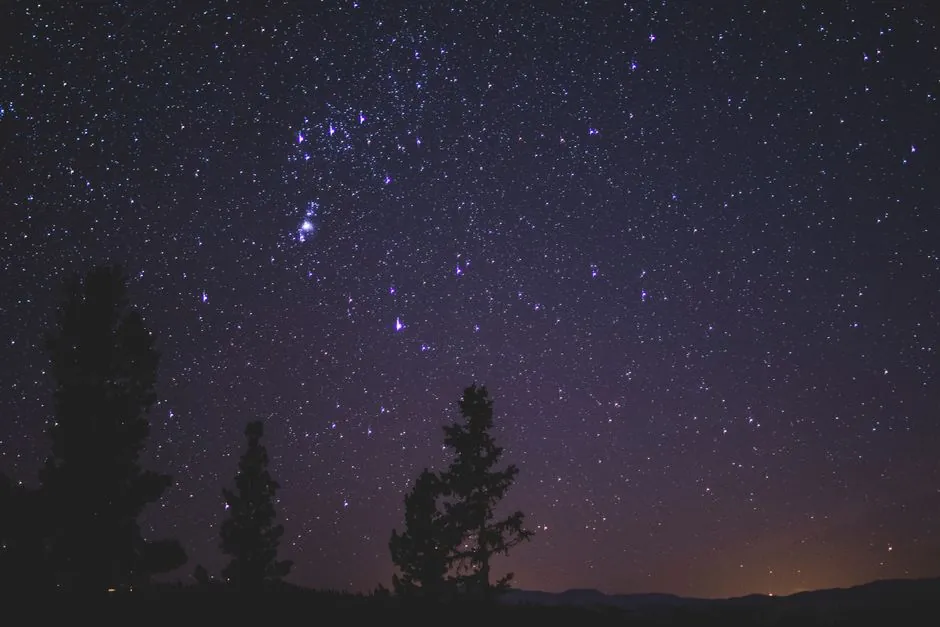
The Beginner's Guide to Reading the Night Sky: How to Spot Your First Constellations
A friendly, grounded guide to navigating the night sky, understanding stellar movements, and spotting iconic constellations without expensive gear.
 PETS
PETSSniffle-Free Snuggles: America's Most-Loved Hypoallergenic Dogs
Dreaming of a furry friend but dreading the sneezes? You're not alone. Let's dive into the wonderful world of popular hypoallergenic dog breeds in the US.
Popular Posts

Rethinking Non-Profit Promotion: Creative Strategies That Actually Drive Event Impact

Beyond Stark White: The Best Interior Paint Colors to Light Up Your New Space

How to Actually Master a New Language on Your Own (No Magic Gene Required)
