The Comoros Islands: Is This Untouched Paradise Safe for Tourists?
You've seen the pictures of pristine beaches, but what's it really like to travel to the Comoros? A deep dive into safety, health, and culture in this off-the-beaten-path destination.
The Comoros Islands. The name itself sounds like a whisper from a forgotten corner of the world, doesn't it? Tucked into the Mozambique Channel, this volcanic archipelago is the kind of place that appears in the daydreams of seasoned travelers—a destination of raw beauty, rich Swahili culture, and a distinct lack of tourist crowds. It’s been dubbed "The Perfume Isles" for its fragrant ylang-ylang plantations, a scent that literally hangs in the air.
But let’s be honest. When we consider a destination this far off the beaten path, especially one with a complex history, a very practical question comes to mind: Is it safe? It’s a question I ask myself before any adventure into the unknown. It’s not about seeking out risk, but about understanding it, preparing for it, and moving forward with a sense of informed confidence. So, let's pull back the curtain on the Comoros and talk frankly about what it’s like to travel there, from political stability to petty crime and those pesky mosquitoes.
The Real Deal on Safety and Crime
First, let's address the elephant in the room. The Comoros has a history of political instability, with a number of coups and attempted coups since its independence in 1975. This history often leads to travel advisories that urge caution. It's true that political demonstrations can occur, especially in the capital, Moroni, and they have the potential to turn disruptive. The U.S. Department of State often recommends exercising increased caution due to the potential for civil unrest and crime. The key for any traveler is to stay informed, monitor local news, and avoid any large public gatherings or protests. It’s about being a smart, aware visitor, not a fearful one.
Now, for the day-to-day reality for tourists. Most visits to the Comoros are trouble-free. Violent crime is rare, and the Comorian people are known for their warmth and hospitality. The most common issue, as in many parts of the world, is petty crime. Think pickpocketing in crowded markets or theft from unlocked cars. It’s the kind of opportunistic crime that can be largely avoided by taking common-sense precautions. Keep your valuables secure, don’t flash expensive items, and be aware of your surroundings, especially in bustling areas. Walking alone at night on isolated beaches or dimly lit streets isn't recommended, but that’s sound advice for almost anywhere on the planet.
One traveler I read about mentioned feeling safe enough to leave their electronics in a beach bungalow without worry. While I wouldn't personally recommend that level of trust anywhere, it speaks to the generally relaxed and secure atmosphere you can find on the islands. The consensus is clear: be smart, be aware, but don't let fear of crime dominate your experience.
Health in the Tropics: More Than Just a Sunburn
A healthy trip is a happy trip, and a visit to a tropical destination like the Comoros requires some medical prep. The biggest health concern here is malaria. It's endemic throughout the islands, and it’s not something to take lightly. Before you go, you absolutely must talk to a travel doctor about antimalarial medication. Beyond pills, your best defense is preventing mosquito bites in the first place. This means using a good insect repellent with DEET, wearing long sleeves and pants during the peak mosquito hours of dawn and dusk, and sleeping under a mosquito net if your accommodation isn't well-screened.
Other mosquito-borne illnesses like chikungunya and dengue fever are also present, so that repellent will be doing double duty. Furthermore, as of early 2024, there have been reports of a cholera outbreak. This highlights the critical importance of food and water hygiene. The rule of thumb is simple: boil it, cook it, peel it, or forget it. Stick to bottled or purified water (and avoid ice in your drinks), and be wary of raw or undercooked food.
Medical facilities in the Comoros are extremely basic. That’s not an exaggeration; it’s a fact. Hospitals are few, often understocked, and may require payment upfront, even in an emergency. For any serious medical issue, you would likely need to be medically evacuated to another country, like South Africa or nearby Mayotte. This is why comprehensive travel insurance that includes emergency medical evacuation is non-negotiable. It’s an absolute must-have for peace of mind.
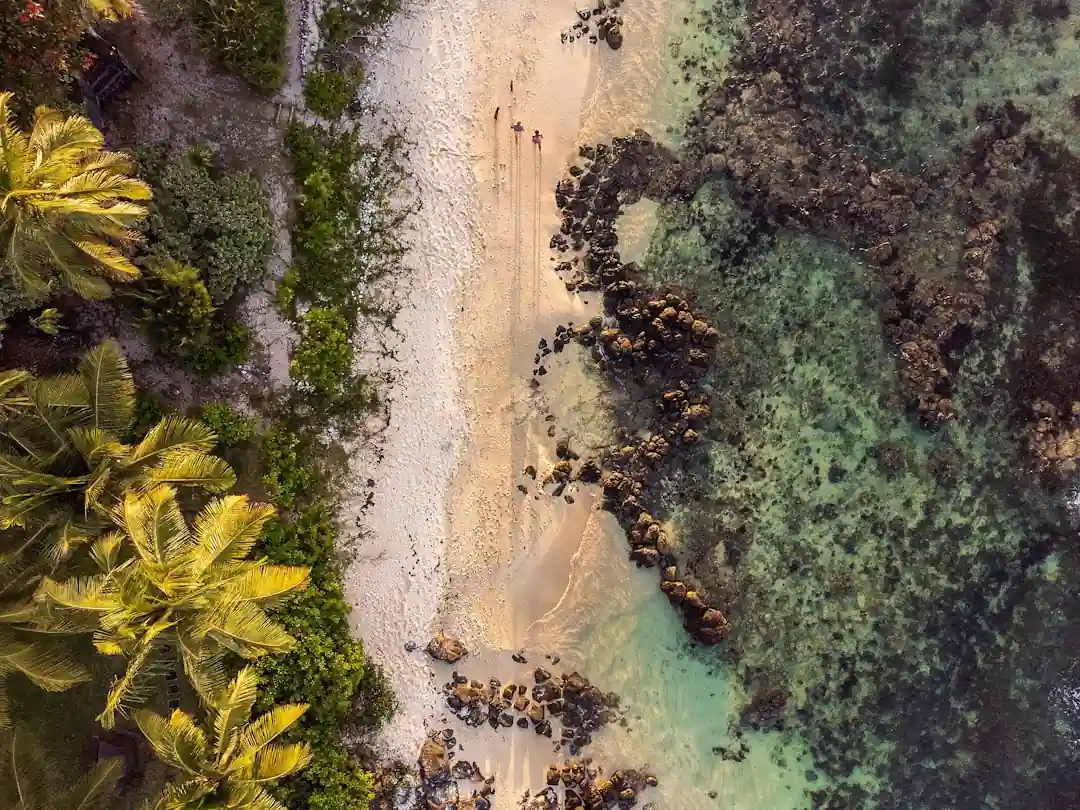
Cultural Etiquette and Getting Around
The Comoros is a conservative, predominantly Sunni Muslim nation. Understanding and respecting the local culture is not just a courtesy; it's essential for a positive experience. This is most visible in the dress code. For both men and women, modest clothing is the norm. Women should aim to cover their shoulders and knees, and while a headscarf isn't required for foreign visitors, carrying one is a good idea if you plan to visit a mosque. During the holy month of Ramadan, it's especially important to be respectful and refrain from eating, drinking, or smoking in public during fasting hours.
Getting around the islands is an adventure in itself. On the main island, Grande Comore, a paved road circles the coast, but many other roads are unpaved, narrow, and in poor condition. Driving at night is particularly hazardous. Taxis are available, but it's wise to negotiate the fare before you start your journey. For travel between the islands (Grande Comore, Mohéli, and Anjouan), you have the option of flights or ferries. While flying is faster, ferries are a common mode of transport. However, be cautious. Ferries can be overloaded and may not have adequate safety equipment. It's crucial to assess the condition of the boat and trust your gut; if it doesn't feel safe, don't get on.
So, what's the verdict? The Comoros is not a destination for the faint of heart or the first-time traveler. It's for the adventurer who is willing to trade seamless convenience for authentic experiences. It requires a higher degree of self-reliance and preparation. But for those who make the effort, the rewards are immense: volcanic landscapes, world-class diving, unique wildlife on Mohéli, and the genuine warmth of a people who are happy to share their beautiful, complicated, and utterly captivating home. It’s a journey that reminds you what travel is really about: discovery, connection, and a healthy dose of perspective.
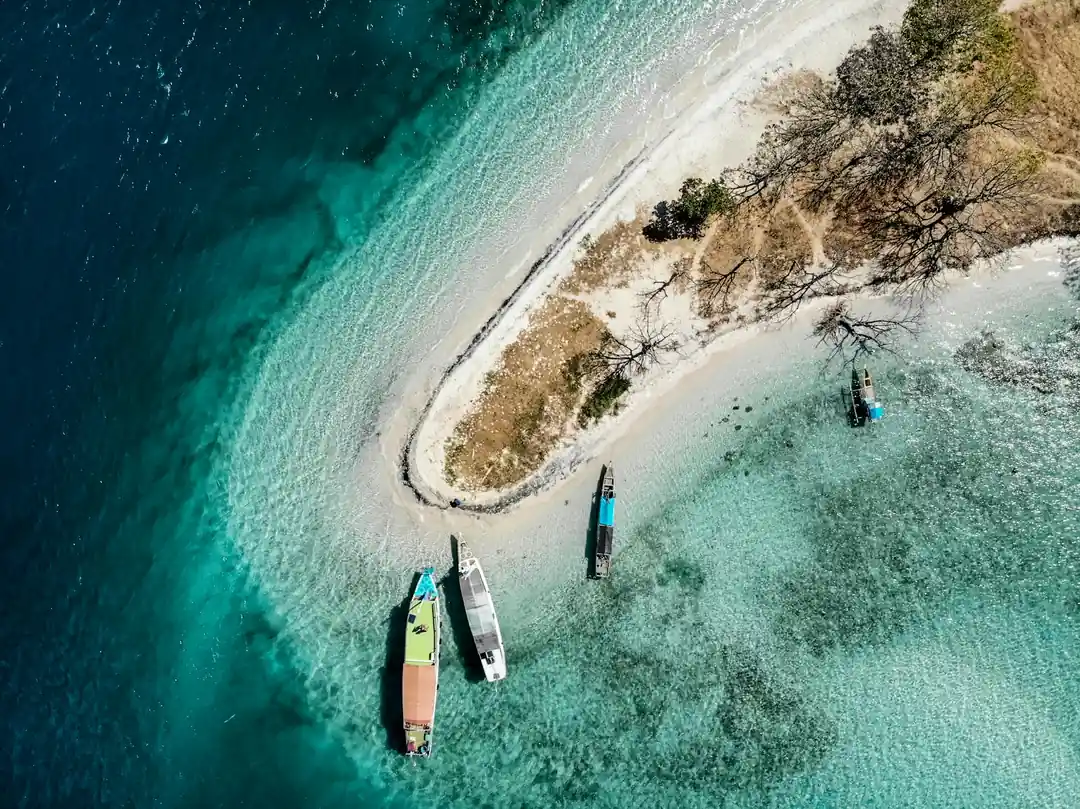
Before You Go: A Traveler's Guide to Culture and Etiquette in Comoros
Comoros: The Indian Ocean's Best-Kept Secret
Related Posts
 TRANSPORT
Beyond the Highway: Finding Canada's Soul on a Western Rail Adventure
Forget road trips. I'm talking about rediscovering the romance of travel on Via Rail's most scenic routes through the heart of the Canadian West. It’s an experience that changes you.
 TRAVEL TIPS
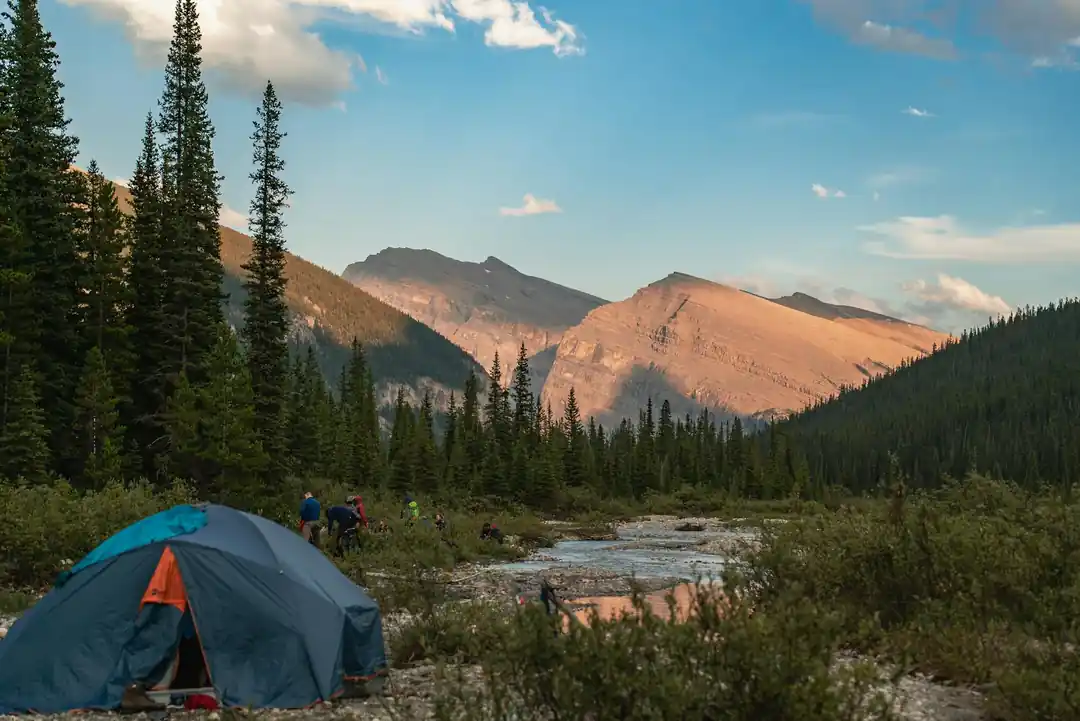
The Unwritten Rules of the North: What to Know Before Camping in Canada
Heading to the Great White North for a camping trip? It's an amazing idea. But from campfire etiquette to wildlife wisdom, here’s what you need to know before you go.

Popular Posts

Rethinking Non-Profit Promotion: Creative Strategies That Actually Drive Event Impact

Beyond Stark White: The Best Interior Paint Colors to Light Up Your New Space

How to Actually Master a New Language on Your Own (No Magic Gene Required)
