A Pilgrim's Guide to Independence Hall and the Liberty Bell
Thinking of walking through America's most historic square mile? Here’s a personal guide to making your visit to Independence Hall and the Liberty Bell a truly memorable one.
There are some places that you don’t just visit; you feel them in your bones. For me, Philadelphia's Independence National Historical Park is one of those sacred spots. It’s more than just a collection of old buildings and artifacts; it’s the very cradle of American democracy. Walking these grounds is like stepping through a portal in time, where the echoes of revolutionary debate and the bold strokes of a new nation’s pen still hang in the air.
Honestly, the idea of planning a trip here can feel a little overwhelming. You want to do it right, to absorb the gravity of the place without getting bogged down in logistics. I’ve been a few times now, and each visit teaches me something new, not just about history, but about how to best experience it. So, grab a cup of coffee, and let’s talk about how to make your pilgrimage to Independence Hall and the Liberty Bell as smooth and meaningful as possible.
The Silent Sentinel: Experiencing the Liberty Bell
Your first stop will likely be the Liberty Bell Center. And let me tell you, no matter how many pictures you’ve seen, seeing the bell in person is a different experience entirely. There’s a hush that falls over the crowd as you approach it. You’re standing before this massive, flawed, beautiful symbol of freedom, and it’s hard not to be moved. The famous crack is more like a chasm up close, a testament to its long and storied journey.
The exhibit leading up to the bell is wonderfully done. It’s not just a queue; it’s a narrative. You’ll walk through displays detailing the bell's history, from its creation in London to its role as an icon for abolitionists and suffragists. It’s a powerful reminder that the fight for liberty is a continuous one. Because no tickets are required, the line can get quite long, especially during midday in the peak season. My best advice? Go early in the morning, right when they open, or later in the afternoon when the crowds begin to thin. You’ll have a more personal, reflective moment with the bell that way.
Don't feel rushed. People tend to file past, snap a photo, and move on, but I encourage you to linger. Find a spot near the back of the viewing area and just watch. See the way the light hits the inscription: "Proclaim LIBERTY Throughout all the Land unto all the Inhabitants Thereof." Think about the generations of people who have stood in that same spot, drawing inspiration from its silent, steadfast presence. It’s a surprisingly profound experience.
Stepping into the Room Where It Happened
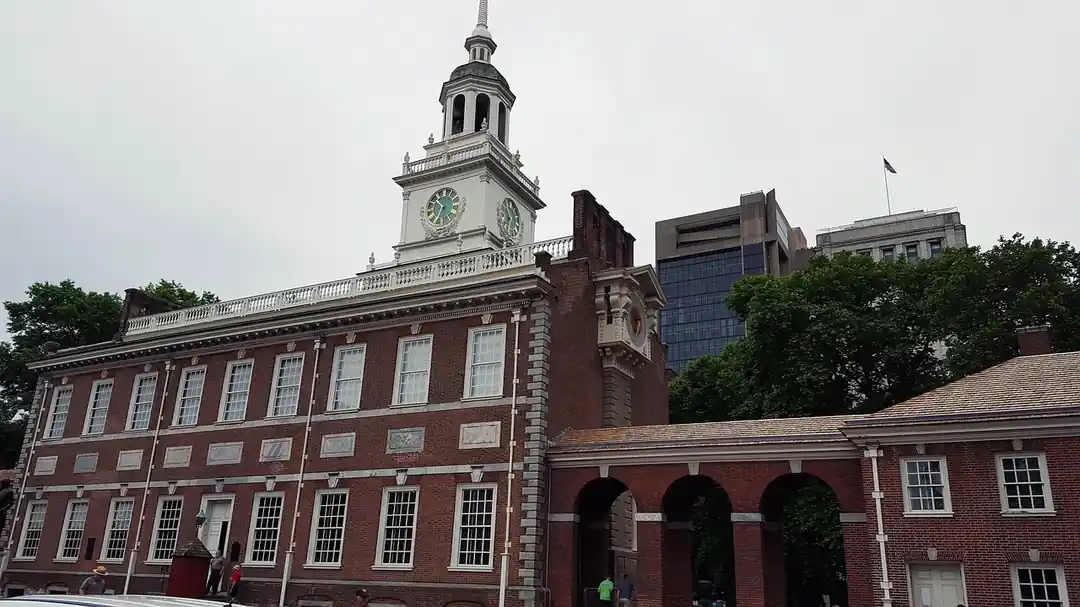
After the bell, it’s time for the main event: Independence Hall. This is where you absolutely must plan ahead. Timed entry tickets are required for most of the year, and you should reserve them online in advance for a nominal fee. I can’t stress this enough. Showing up without a ticket is a recipe for disappointment. The tour, led by a National Park Service Ranger, is the only way to see the interior of the building.
The moment you step inside, the air changes. The floors creak with the weight of history. The tour is relatively brief, but it’s packed with incredible stories. You’ll stand in the Assembly Room, a space that feels surprisingly intimate for the monumental events that transpired there. The ranger will point out George Washington’s “rising sun” chair, and you’ll see the very inkstand used to sign the Declaration of Independence and the U.S. Constitution. It’s surreal.
I remember standing there, trying to imagine the room filled with the Founding Fathers—the sweltering heat of a Philadelphia summer, the passionate arguments, the immense risk they were taking. This wasn’t a sterile, academic exercise; it was a messy, human endeavor. The rangers do a phenomenal job of bringing that humanity to life, sharing anecdotes and details that you won’t find in a textbook. It’s in these moments that the history becomes real, tangible, and deeply personal.
Practical Tips for a Flawless Visit
Alright, let's get into the nitty-gritty of planning. The best place to start your day is the Independence Visitor Center. It’s where you can pick up maps, ask questions, and, most importantly, use the restrooms (there are none inside the historic sites themselves). You’ll also go through an airport-style security screening before entering both the Liberty Bell Center and the perimeter around Independence Hall, so pack light and be prepared for a bag check.
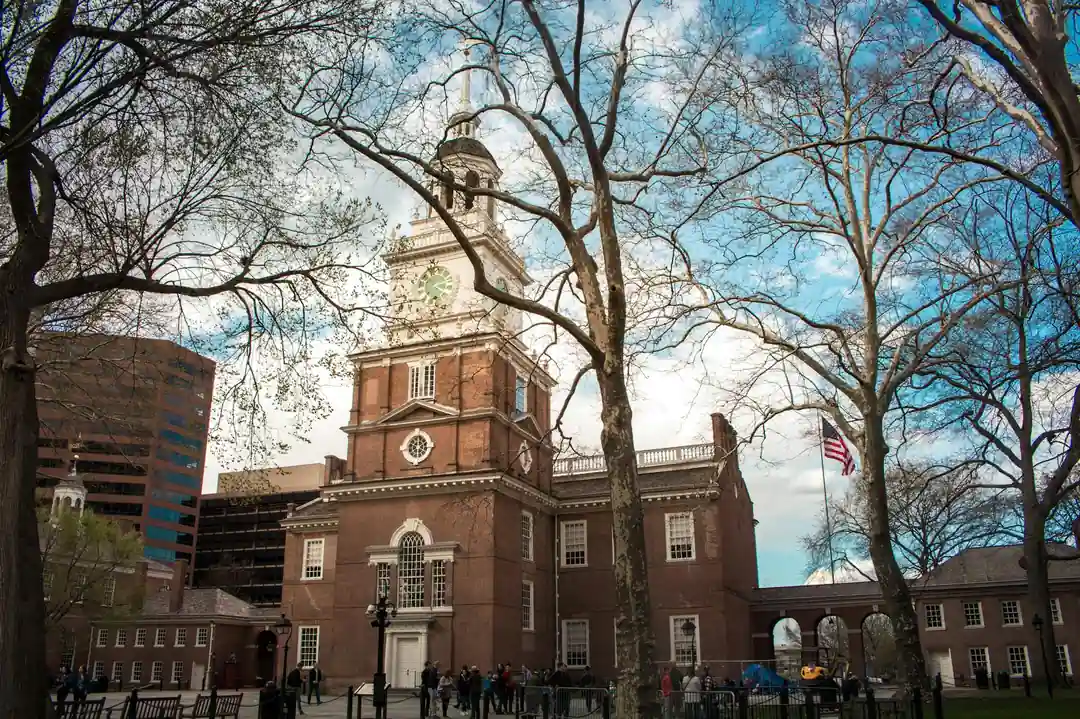
When it comes to timing, shoulder seasons like spring and fall offer pleasant weather and slightly smaller crowds. If you’re visiting in the summer, be prepared for heat, humidity, and lots of people. Regardless of the season, comfortable shoes are non-negotiable. You’ll be doing a lot of walking on cobblestone and brick-paved streets that are charming but unforgiving on the feet.
Finally, give yourself more time than you think you’ll need. The area around the hall, known as Independence Square, is worth exploring. Sit on a bench under the shade of an old tree and just soak it all in. This isn’t a place to be rushed. It’s a place to reflect on where America has been and to contemplate its ongoing journey. It’s a visit that will fill your mind with facts, but more importantly, it will fill your heart with a renewed sense of connection to the nation’s founding ideals.
When to Walk Through History: The Best Time to Visit Philadelphia's Historic Sites
Skip the Car: Why the Train is Your Ticket to the Real South of France

Related Posts
 TRANSPORT
Beyond the Highway: Finding Canada's Soul on a Western Rail Adventure
Forget road trips. I'm talking about rediscovering the romance of travel on Via Rail's most scenic routes through the heart of the Canadian West. It’s an experience that changes you.
 TRAVEL TIPS
The Unwritten Rules of the North: What to Know Before Camping in Canada
Heading to the Great White North for a camping trip? It's an amazing idea. But from campfire etiquette to wildlife wisdom, here’s what you need to know before you go.

Popular Posts

Rethinking Non-Profit Promotion: Creative Strategies That Actually Drive Event Impact

Beyond Stark White: The Best Interior Paint Colors to Light Up Your New Space

How to Actually Master a New Language on Your Own (No Magic Gene Required)
