The Ultimate Guide to Traveling the Philippines on a Shoestring Budget
Dreaming of the Philippines but worried about the cost? It's more affordable than you think. Here's how to explore its 7,000 islands without breaking the bank.
Let's be honest, the Philippines feels like a dream. When you see photos of those limestone cliffs, the impossibly clear water, and the vibrant coral reefs, it’s easy to assume it’s a type of paradise reserved for lottery winners or honeymooners with a blank check. For the longest time, I had it pinned to my "someday" travel board, thinking it was out of reach for a regular person with a regular budget. But I’m here to tell you that "someday" can be right now.
Traveling the Philippines on a budget isn't just possible; it's an entirely different and, I would argue, more authentic way to experience this incredible country. It’s about swapping luxury resorts for cozy guesthouses, fancy restaurants for bustling local eateries, and private tours for the thrill of a shared jeepney ride. It’s a journey that immerses you in the heart of Filipino culture, and honestly, it’s where the real magic happens.
So, if you've been putting off that trip because you're worried about the cost, this is for you. I’ve dug through the latest travel hacks, combined them with my own experiences, and put together a guide to help you navigate this archipelago of wonders without draining your bank account. Get ready to make that dream a reality.
Finding Your Home Base: Accommodation on a Dime
First things first, where are you going to sleep? In the Philippines, you can find a bed for the night that costs less than your average lunch back home. The key is to look beyond the big-name hotels. Hostels and locally-owned guesthouses are the backbone of budget travel here, and they are fantastic. In popular spots like Palawan or Cebu, you can find a dorm bed for as little as $10-$15 a night, and sometimes even a private room in a guesthouse for $20-$30.
These places are more than just a cheap stay; they're hubs of information and community. The owners often have the best local tips—from the cheapest way to get to the next town to which waterfalls aren't swarming with tourists. I’ve had some of my most memorable conversations and made lifelong friends in the common areas of these humble accommodations. They offer a richness that a sterile hotel room simply can't match.
While sites like Agoda and Booking.com are great for securing a spot in major tourist areas, don't be afraid to just show up in smaller towns. Many of the best and cheapest places aren't listed online. A little bit of wandering and asking around can lead you to a hidden gem. And for the truly adventurous, Couchsurfing is quite active in the Philippines, offering a free place to stay and an instant connection with a local host who can show you their side of the city.
Getting Around: The Art of Island Hopping
With over 7,000 islands, transportation is a huge part of any Philippine adventure. This is where your budget can either balloon or shrink, depending on your choices. While budget airlines like Cebu Pacific and AirAsia have frequent sales that are worth watching for, the real budget-friendly way to travel between islands is by ferry. It’s slower, yes, but it’s an experience in itself. Standing on the deck, watching islands drift by as the sun sets, is a memory that a quick flight just can't replicate.
For travel on land, embrace the local methods. Long-distance buses connect major towns and are incredibly affordable. For shorter distances, you have two iconic options: the tricycle and the jeepney. Tricycles are essentially a motorcycle with a sidecar, and they function as the local taxis, ready to zip you to a specific address. Always agree on the fare before you hop in, but it’s almost always a cheap ride.
And then there’s the jeepney. These flamboyantly decorated, chrome-covered vehicles are the kings of the road. They operate on fixed routes, and you can hop on and off anywhere. It might seem chaotic at first, but it's an incredibly efficient and ridiculously cheap way to get around cities and towns. Just watch what the locals do, pass your fare down the line of passengers, and yell "para" when you want to get off. It’s a cultural immersion on wheels.
Eating Like a Local: A Feast for Your Wallet
If there's one area where your budget will thank you, it's food. The Philippines is a culinary paradise for those who aren't afraid to dive into the local scene. My number one rule: eat where the locals eat. This means seeking out the neighborhood carinderia, a small, family-run eatery that serves a variety of pre-cooked dishes, buffet-style. You can point at what you want, and a heaping plate of delicious, home-cooked food will often cost you just a couple of dollars.
Street food is another must-try. From grilled pork skewers (inihaw) to savory fried snacks, the streets are alive with vendors cooking up fresh, delicious bites for pennies. It’s a great way to sample a wide variety of flavors without committing to a full meal. Just use your judgment and choose stalls that are busy and look clean.
While it might be tempting to duck into a familiar Western-style cafe or restaurant, this will be the quickest way to blow your food budget. A single meal at a tourist-focused spot can cost as much as a whole day's worth of food from local eateries. Embrace the adventure! Try the national dish, adobo (a savory soy-vinegar stew), a bowl of sour sinigang soup, or a hearty plate of lechon (roast pig). Your taste buds and your wallet will be grateful.
Adventures That Don't Cost a Fortune
The best things in the Philippines are often free or very cheap. The country's natural beauty is its main attraction, and you don't need an expensive tour to enjoy it. Many of the world's most beautiful beaches are public and completely free to access. Pack a towel, some water, and a good book, and you have a perfect day planned.
Snorkeling is another fantastic, low-cost activity. Instead of booking a pricey boat tour every time, consider just renting a mask and snorkel for a few dollars and exploring the reefs right off the shore. In places like Moalboal in Cebu, you can swim with massive schools of sardines just a few feet from the beach—no tour required.
If you do want to do an island-hopping tour, which is a must-do in places like El Nido and Coron, opt for a group tour instead of a private one. You'll be on a boat with other travelers, which is a great way to meet people, and the cost is significantly lower. These tours almost always include a delicious grilled lunch prepared by the boat crew, making them a great value. From hiking to waterfalls to exploring local markets, the most memorable experiences often come with the smallest price tags.
Traveling in the Philippines taught me that the value of a trip isn't measured by how much you spend. It's measured in the connections you make, the flavors you discover, and the moments of awe you experience. It’s a country that rewards the curious and the adventurous, proving that paradise doesn't have to be expensive. It just has to be experienced.
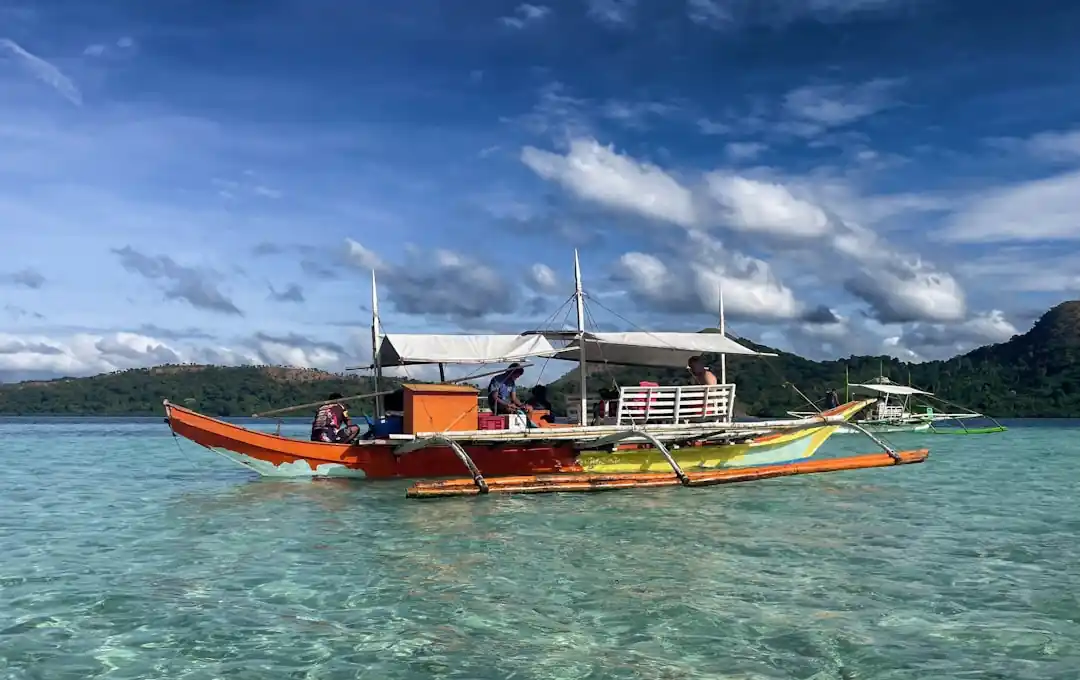
Your Ultimate Guide to Island Hopping Transportation in the Philippines
The Secret to Sun-Soaked Skies: When Is the Best Time to Visit the Philippines?
Related Posts
 TRANSPORT
Beyond the Highway: Finding Canada's Soul on a Western Rail Adventure
Forget road trips. I'm talking about rediscovering the romance of travel on Via Rail's most scenic routes through the heart of the Canadian West. It’s an experience that changes you.
 TRAVEL TIPS
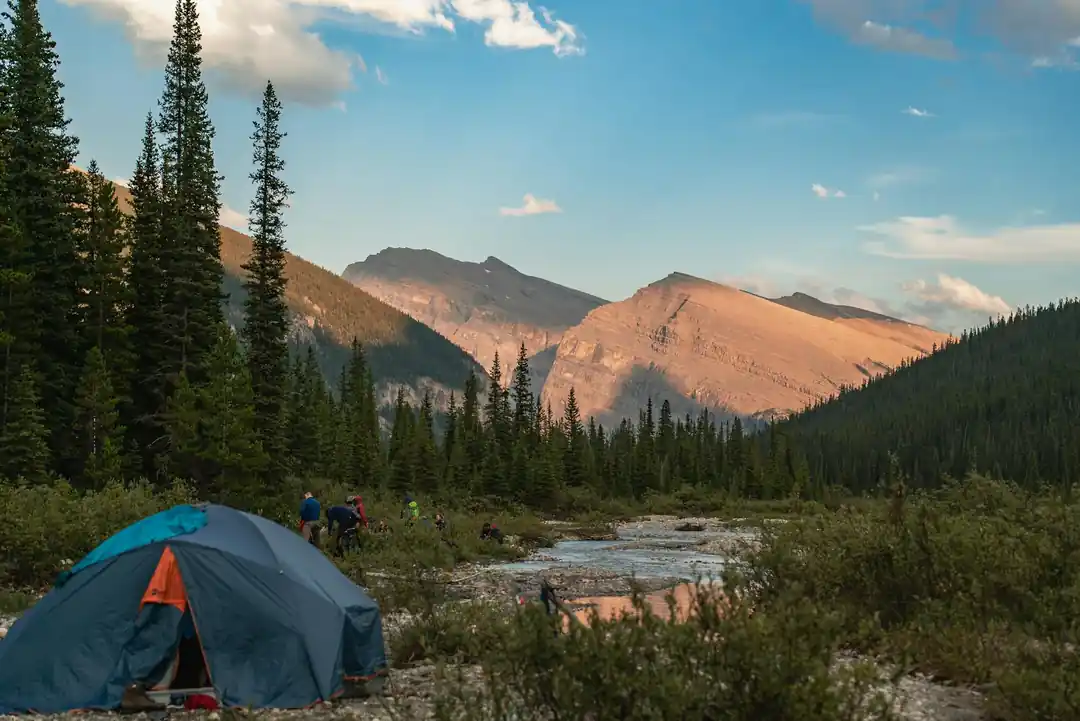
The Unwritten Rules of the North: What to Know Before Camping in Canada
Heading to the Great White North for a camping trip? It's an amazing idea. But from campfire etiquette to wildlife wisdom, here’s what you need to know before you go.
Popular Posts

Rethinking Non-Profit Promotion: Creative Strategies That Actually Drive Event Impact

Beyond Stark White: The Best Interior Paint Colors to Light Up Your New Space

How to Actually Master a New Language on Your Own (No Magic Gene Required)
