Don't Get Left in the Cold: The Ultimate Marquette Winter Packing Guide
Heading to Michigan's Upper Peninsula for a winter adventure? Marquette's beauty is matched only by its cold. Here’s exactly what to pack to stay warm, dry, and ready for anything the snowy trails throw at you.
There’s a certain kind of magic that settles over Marquette, Michigan, in the winter. It’s a quiet, profound beauty found in the heavy silence of a snow-covered forest and the icy breath of Lake Superior. But let’s be honest—that magic comes with a serious dose of cold. I’m talking about a deep, persistent winter where the average daily temperature can hover in the teens and the lake-effect snow is the real deal, often measured in feet, not inches. If you're planning a trip to this Upper Peninsula paradise for some world-class skiing, snowshoeing, or fat-tire biking, your packing list is the single most important thing you'll prepare.
I learned the hard way on one of my first winter trips that simply “a warm coat” does not cut it. The difference between a miserable, shivering ordeal and an exhilarating adventure is, quite literally, in the bag you pack. You have to be strategic. You have to think in layers. And you have to respect the raw power of a Great Lakes winter. So, before you load up the car, let’s talk about what you really need to not just survive, but truly thrive in Marquette’s incredible cold.
The Core of Your Wardrobe: Layering is Non-Negotiable
If you take away only one piece of advice, let it be this: master the art of layering. It’s a three-part system that works to trap heat, wick away sweat, and protect you from the elements. It’s the key to staying comfortable whether you’re working up a sweat on the Noquemanon trails or standing still, taking in a view of a frozen waterfall.
First up is your base layer. This is the layer that sits directly against your skin, and its primary job is to pull moisture away from your body. Please, I beg you, leave your cotton shirts at home. Cotton is a winter adventurer's worst enemy; it absorbs sweat and holds it close, making you damp and cold. Instead, you need materials like merino wool or synthetic fabrics (like polyester or polypropylene). Merino wool is my personal favorite—it’s incredibly warm for its weight, naturally odor-resistant, and stays warm even when it gets a little damp. A good set of long underwear, both top and bottom, is the absolute foundation of your winter warmth.
Next comes the mid-layer, which is your primary source of insulation. This layer’s job is to trap the body heat that your base layer is working to preserve. Think fleece jackets, down vests, or wool sweaters. Fleece is fantastic because it’s lightweight, breathable, and continues to insulate even if it gets wet. Down is the king of warmth-to-weight ratio, offering incredible insulation that can be packed down into a surprisingly small space. However, down loses its insulating properties when it gets wet, so a synthetic-fill jacket (which mimics down but performs better in damp conditions) is often a more versatile choice for the potentially snowy, wet conditions in Marquette. I usually pack both a fleece and a light puffy jacket to have options.
Finally, you have your outer layer, or shell. This is your armor against wind, snow, and rain. You’re looking for a jacket and pants that are both waterproof and breathable. A non-breathable shell will trap all your sweat and you’ll end up soaked from the inside out. Look for materials like Gore-Tex or other proprietary waterproof-breathable membranes. Make sure the jacket has a good hood, and that the pants have either built-in gaiters or a cuff that can be cinched tight around your boots to keep snow out. This shell layer is what will keep that biting wind off Lake Superior from cutting right through you.
Protecting Your Extremities: The Details That Matter Most
An old saying goes, “When your feet are cold, you’re cold all over,” and it’s absolutely true. You can have the best layering system in the world, but if your hands, feet, and head are exposed, you’re going to be miserable. These are the areas where you lose heat the fastest, and they require special attention.
Let’s start with your feet. Again, no cotton socks. Pack several pairs of thick wool or synthetic socks designed for hiking or skiing. It’s a good idea to bring a few different weights. Your boots should be waterproof, insulated, and have a sturdy sole with good grip for icy surfaces. When trying on boots, make sure you have enough room to wiggle your toes with your thick winter socks on; boots that are too tight will restrict circulation and make your feet colder.

For your hands, mittens are almost always warmer than gloves, as they allow your fingers to share warmth. A great system is to have a thin pair of liner gloves (which allow you to perform tasks like using your phone or adjusting zippers) underneath a thick, waterproof pair of mittens. For your head, a warm wool or fleece beanie is essential. I also never go on a winter trip without a neck gaiter or a balaclava. It’s a versatile piece that can be pulled up over your face to protect your nose and cheeks from brutal windburn.
Gear for the Adventure and Beyond
With your clothing system dialed in, a few more pieces of gear will round out your kit. The sun reflecting off the snow is incredibly bright and can cause serious eye damage, so a good pair of sunglasses or ski goggles is a must. Don’t forget sunscreen and a good SPF lip balm, either—you can get a nasty sunburn in the winter.
To stay hydrated, bring an insulated water bottle or a hydration reservoir with an insulated tube to keep your water from freezing. High-energy snacks are also crucial for keeping your internal furnace stoked. And since winter days are short, a headlamp is a critical piece of safety gear, even if you plan on being back before dark. For navigating icy trails, a pair of microspikes or other ice grippers that you can pull over your boots can be a lifesaver.
Finally, don't forget to pack for the moments after the adventure. A comfortable pair of slippers or warm boots for the cabin, some cozy sweatpants, and a good book are just as important. Part of the joy of a winter trip is coming in from the cold, feeling that pleasant ache in your muscles, and settling in for a warm, comfortable evening. Packing correctly ensures you can enjoy every single moment, from the frosty trail to the warm fireside.

Your Guide to Reaching Michigan's Upper Peninsula
First-Timer's Guide to Michigan's Upper Peninsula: Wild, Free, and Unforgettable

Related Posts
 TRANSPORT
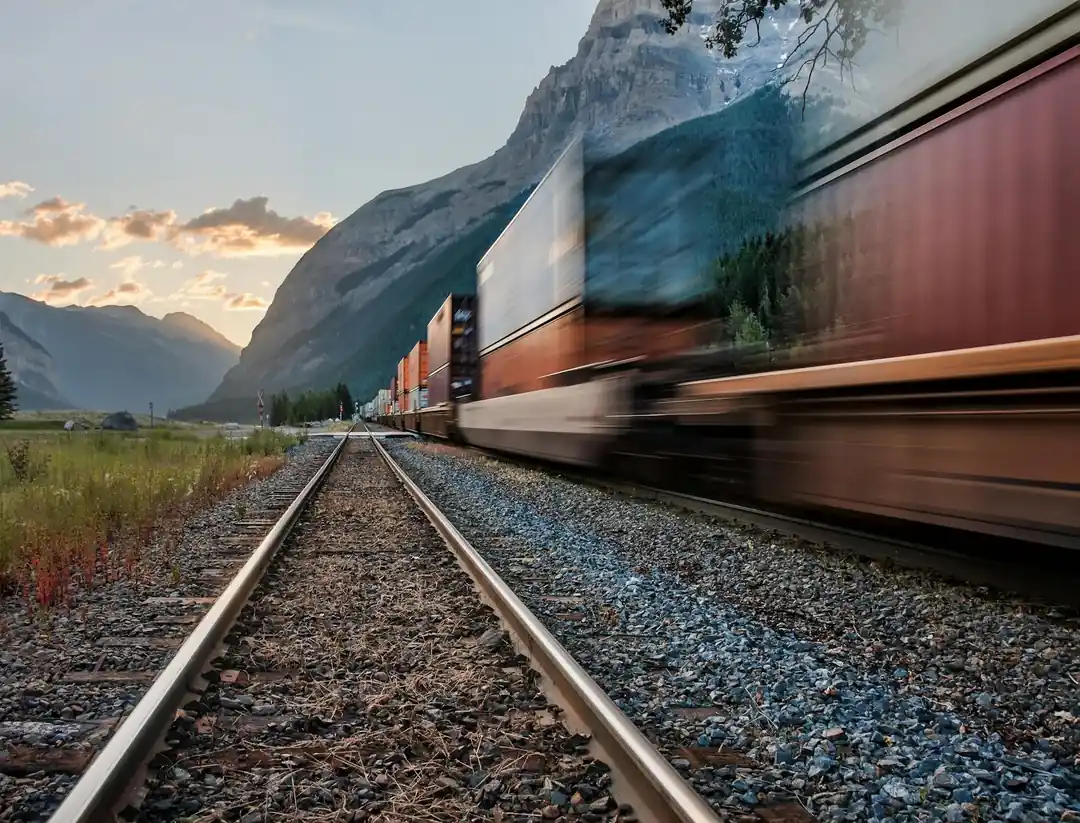
Beyond the Highway: Finding Canada's Soul on a Western Rail Adventure
Forget road trips. I'm talking about rediscovering the romance of travel on Via Rail's most scenic routes through the heart of the Canadian West. It’s an experience that changes you.
 TRAVEL TIPS
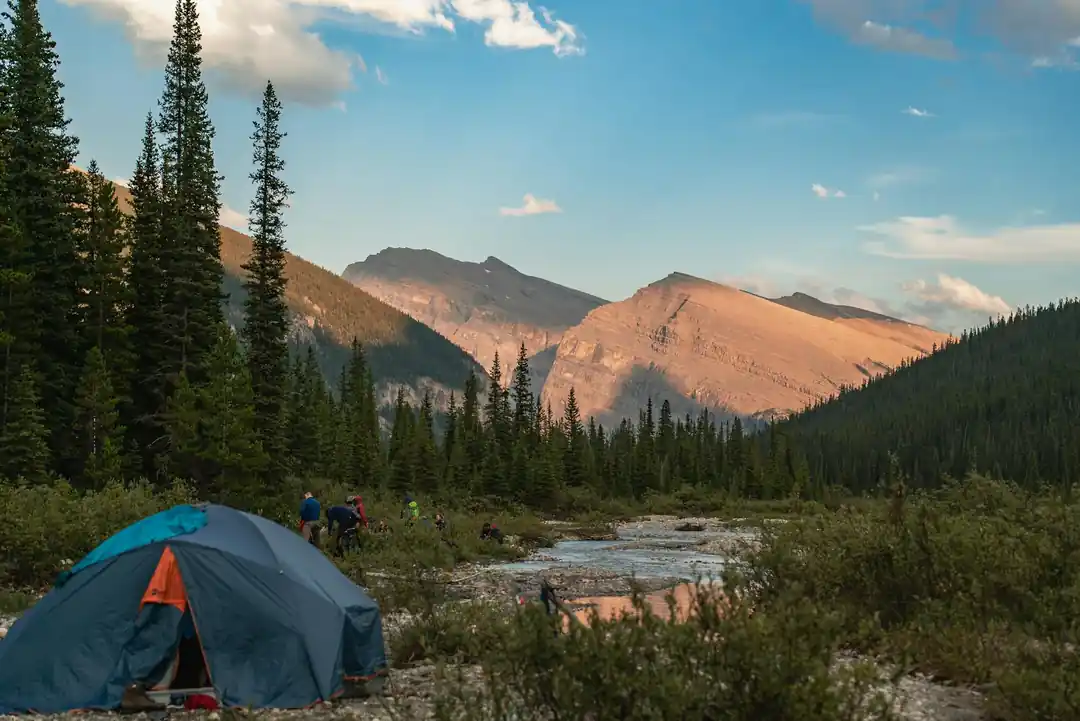
The Unwritten Rules of the North: What to Know Before Camping in Canada
Heading to the Great White North for a camping trip? It's an amazing idea. But from campfire etiquette to wildlife wisdom, here’s what you need to know before you go.

Popular Posts

Rethinking Non-Profit Promotion: Creative Strategies That Actually Drive Event Impact

Beyond Stark White: The Best Interior Paint Colors to Light Up Your New Space

How to Actually Master a New Language on Your Own (No Magic Gene Required)
