Ever wonder how your smartphone instantly recognizes your face, translates languages in real-time, or takes those stunning low-light photos? The secret lies in a powerful little component called the Neural Processing Unit, or NPU.
Have you ever stopped to think about how your smartphone just knows things? How it can instantly recognize your face to unlock, translate a foreign menu in real-time, or turn a dark, grainy photo into a masterpiece? It’s not magic; it’s the work of a tiny, incredibly powerful component that's becoming the new superstar of mobile technology: the Neural Processing Unit, or NPU.
For years, we’ve heard about the CPU (Central Processing Unit) as the "brain" of our devices, and the GPU (Graphics Processing Unit) as the powerhouse for gaming and visuals. But as our phones have become smarter, they've needed a specialized part of the brain dedicated to artificial intelligence. That's where the NPU comes in. It's a purpose-built processor designed to handle the complex calculations of AI and machine learning tasks, and it’s changing the way we interact with our devices in profound ways.
Think of it like this: a CPU is a generalist, a jack-of-all-trades that can handle a wide variety of tasks. A GPU is a specialist, designed to render graphics quickly and efficiently. The NPU, however, is a super-specialist. It's designed to mimic the structure of the human brain's neural networks, allowing it to process vast amounts of data and recognize patterns with incredible speed and efficiency. This is what powers the "smart" in your smartphone.
What Does an NPU Actually Do?
So, what are the real-world applications of this powerful little chip? You're likely using it every day without even realizing it.
One of the most noticeable areas is in your phone's camera. When you take a photo in "Portrait Mode," it's the NPU that's working to distinguish you from the background and create that beautiful, blurred effect. When you're shooting in low light, the NPU analyzes the scene, reduces noise, and brightens the image to produce a clear, detailed shot. It's also the NPU that enables features like real-time object recognition, allowing your camera to identify what you're pointing it at, whether it's a plant, a pet, or a landmark.
But the NPU's influence extends far beyond photography. It's the engine behind the increasingly sophisticated voice assistants on our phones. When you say, "Hey Google" or "Hey Siri," the NPU is what helps the device recognize your voice and understand your command, even in a noisy room. It's also what powers real-time language translation, allowing you to have a conversation with someone who speaks a different language, with your phone acting as a near-instantaneous interpreter.
The Future is On-Device AI
The rise of the NPU is a clear sign of where mobile technology is headed. As AI becomes more integrated into our daily lives, the need for powerful, efficient, on-device processing will only grow. We're already seeing this with the latest generation of smartphones, which are capable of running complex AI models directly on the device, without needing to send data to the cloud.
This has huge implications for privacy and speed. With on-device AI, your personal data stays on your phone, which is a major win for security. It also means that AI-powered features can work faster and more reliably, even when you don't have an internet connection. Imagine your phone being able to transcribe a meeting in real-time, offer intelligent suggestions based on your current context, or even help you write emails and messages, all without sending a single byte of data to a remote server.
The NPU is the key to unlocking this future. It's the silent workhorse that's making our smartphones not just faster, but smarter, more intuitive, and more helpful than ever before. The next time you snap a perfect photo or get a surprisingly relevant suggestion from your phone, you'll know who to thank.
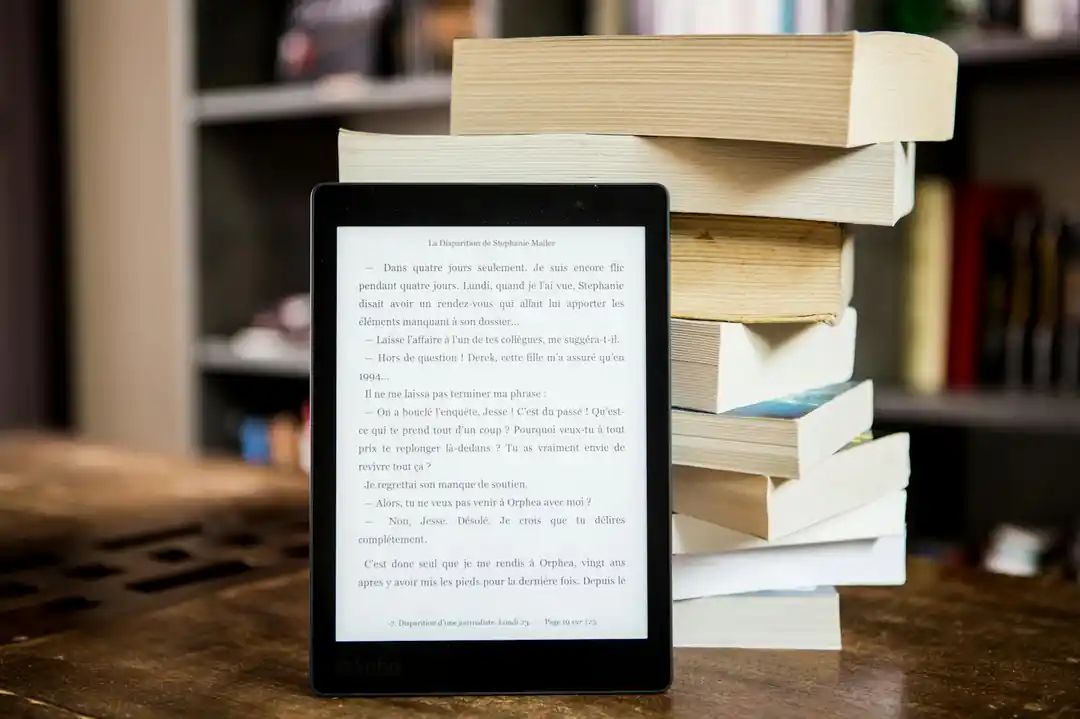
E-Ink vs. OLED: The Battle for Your Eyes and Why It Matters
The Digital Detectives: How AI Is Learning to Spot AI-Generated Content

Related Posts
 MOBILE
The Great Console Debate: How to Choose the Right Gaming System for Your Family
Feeling stuck between a Switch, a PlayStation, and an Xbox? Let's break down which gaming console is the perfect fit for your family's game nights.
 MOBILE
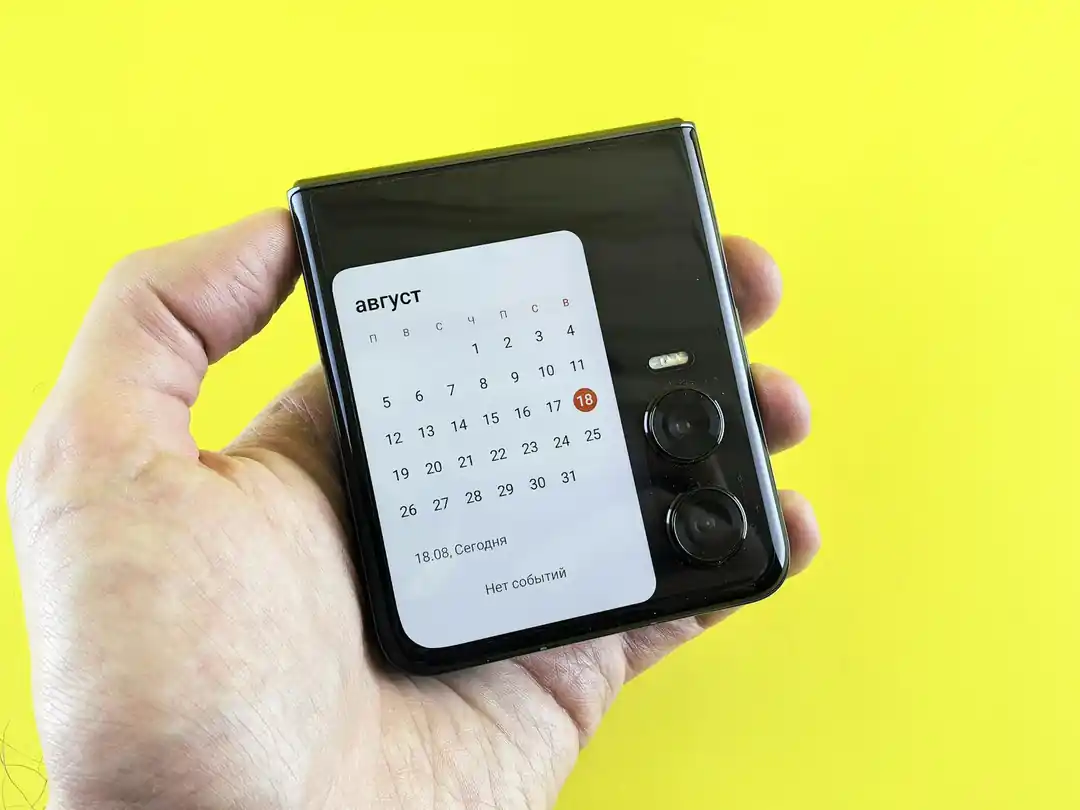
From Fragile to Formidable: The Surprising Evolution of Foldable Phone Durability
Remember when the idea of folding a smartphone screen in half felt like a disaster waiting to happen? Let's talk about how far they've come, because the story is pretty incredible.

Popular Posts

Rethinking Non-Profit Promotion: Creative Strategies That Actually Drive Event Impact

Beyond Stark White: The Best Interior Paint Colors to Light Up Your New Space

How to Actually Master a New Language on Your Own (No Magic Gene Required)
