A Visitor's Guide to the Galaxy: Inside the Kennedy Space Center Exhibits
Thinking about a trip to the Kennedy Space Center? Here’s a complete guide to the must-see exhibits that will take you from the dawn of space travel to the future of deep space exploration.
There are places that just have a certain energy, a kind of electric hum in the air that tells you you’re standing somewhere significant. The Kennedy Space Center Visitor Complex is one of those places. From the moment you walk in, you’re not just a tourist; you're an explorer stepping into the grand narrative of humanity's quest for the stars. I honestly believe it’s impossible to visit and not feel a sense of wonder, a feeling that connects you to every person who has ever looked up at the night sky and dared to dream.
The complex is brilliantly laid out in what they call "Mission Zones," which group attractions by historical era. This approach turns a potentially overwhelming collection of history and technology into a clear, chronological journey. You start with the pioneers, the first brave souls who strapped themselves into tiny capsules, and you travel through time to the reusable marvel of the Space Shuttle, and finally, to the exciting future of deep space exploration. It’s a day of time travel, really, and it’s an experience that stays with you long after you’ve left.
Space Shuttle Atlantis: Touching the Sky
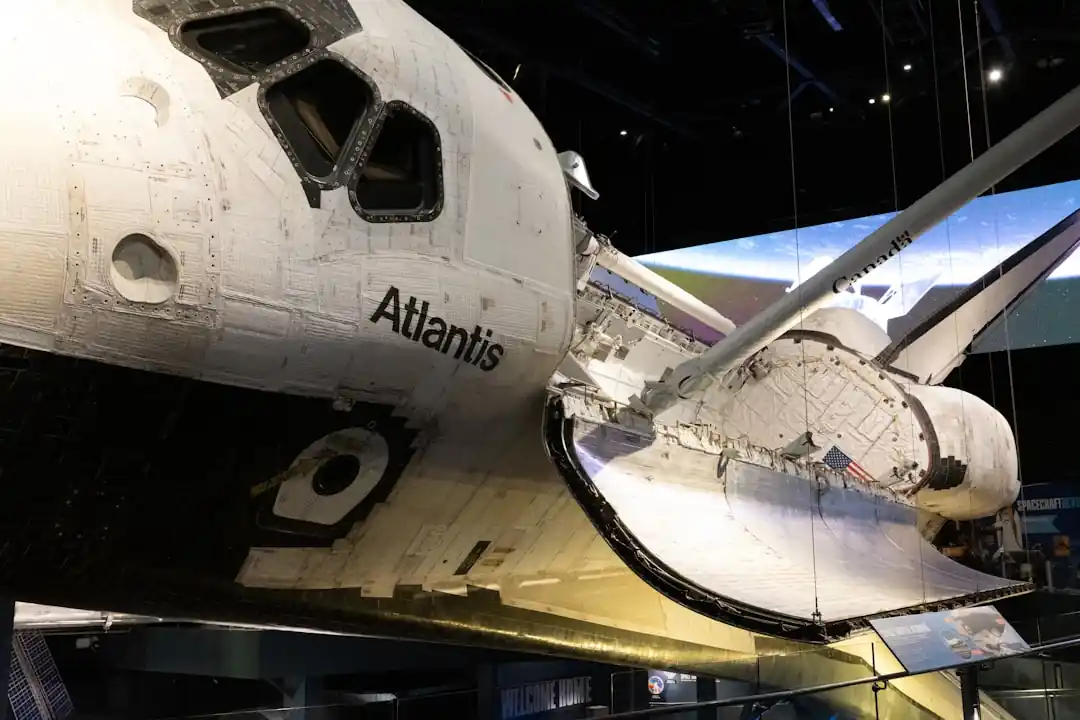
Of all the incredible things to see, the Space Shuttle Atlantis exhibit is something truly special. The reveal is masterfully done. After a compelling introductory film, the screen lifts, and there it is: the actual orbiter, Atlantis, suspended as if in mid-flight. It’s tilted at a 43.21-degree angle, payload bay doors wide open, revealing the Canadarm inside. Seeing it like this, not on a runway but as astronauts would have seen it in space, is breathtaking. The scorch marks and space dust clinging to its tiles are a silent, powerful story of its 33 journeys to orbit and back.
The exhibit does an amazing job of celebrating the entire 30-year Space Shuttle Program. With more than 60 interactive exhibits, you can get a feel for what it was like to be an astronaut. You can try your hand at landing the orbiter in a simulator (it’s harder than it looks!), crawl through a replica of the International Space Station, and feel the rumble of a launch. For me, the Shuttle Launch Experience was a highlight—a simulation that straps you in and gives you a taste of the G-forces and sensations of blasting off into space. It’s as close as most of us will ever get, and it’s absolutely thrilling.
Apollo/Saturn V Center: A Giant Leap for Mankind
To get to the Apollo/Saturn V Center, you have to take a bus tour, which is an experience in itself. The tour takes you past the iconic Vehicle Assembly Building (VAB), one of the largest buildings in the world by volume, and the historic launch pads where the Apollo missions began their journey. It’s a powerful reminder that you are on active, historic ground. There’s a sense of reverence here, a feeling of being in a place where history was forged.
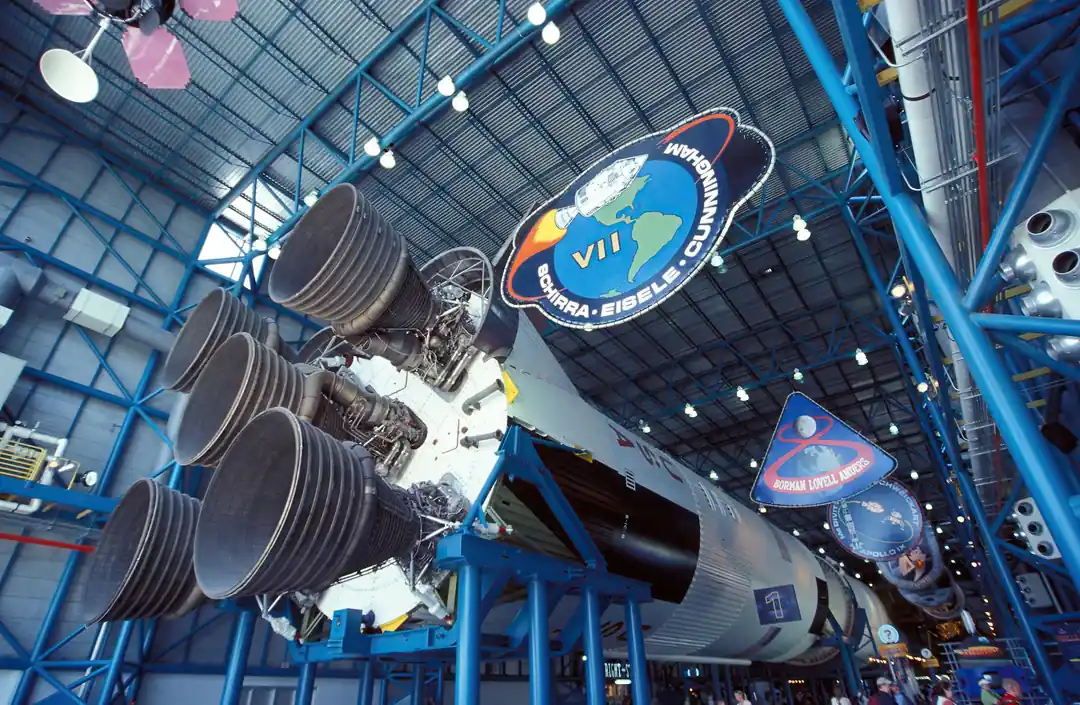
Then, you arrive at the center, and nothing can quite prepare you for the main event. Lying horizontally inside the massive building is a complete, 363-foot-long Saturn V rocket, the most powerful rocket ever built. To walk its entire length, from the colossal F-1 engines at one end to the tiny Apollo command module at the other, is to understand the sheer scale of the ambition to land on the moon. It’s one of those things you have to see to believe. You can stand underneath it and just be floored by the incredible engineering it represents.
The center is packed with artifacts and experiences that bring the Apollo era to life. You can stand in a recreation of the 1960s firing room and watch a simulated Apollo launch, feeling the room shake as the countdown reaches zero. You can also touch a real moon rock—a small, dark stone that has traveled hundreds of thousands of miles. It’s a surprisingly emotional moment, a tangible connection to another world. The entire exhibit is a tribute to the 400,000 people who worked together to achieve what many thought was impossible.
Heroes & Legends and the Rocket Garden
Back at the main complex, the journey begins at Heroes & Legends, which houses the U.S. Astronaut Hall of Fame. This exhibit is a beautiful tribute to the pioneers of space travel. It’s less about the machines and more about the human spirit—the courage, the curiosity, and the character of the first astronauts. Through personal artifacts and interactive displays, you get a sense of the people behind the helmets, making their incredible achievements feel all the more real.
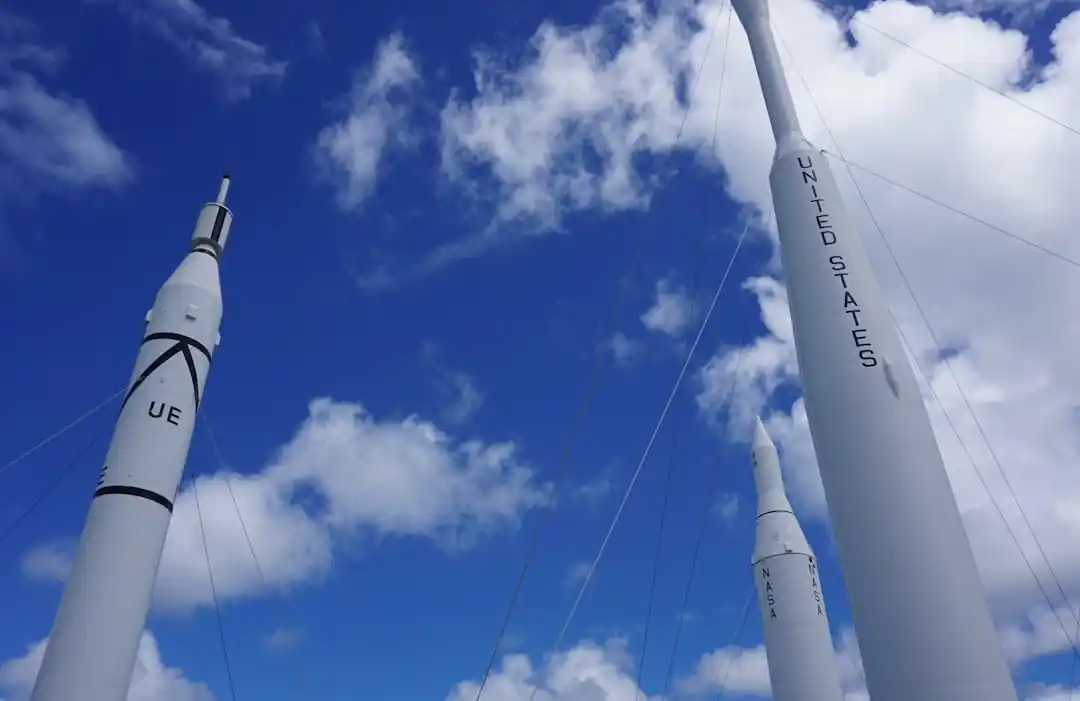
Just outside, you’ll find one of the most iconic sights at the Kennedy Space Center: the Rocket Garden. Here, you can walk among the giants of NASA's early Mercury, Gemini, and Apollo programs. These are real rockets, standing upright as if ready for launch, a silent testament to the rapid evolution of space technology. It’s a fantastic photo opportunity, but it’s also a chance to appreciate the engineering up close. Standing at the base of a Mercury-Redstone rocket, the type that carried the first American into space, you can’t help but be struck by how small it seems, and how much bravery it must have taken to climb inside.
Gateway: The Future of Space Exploration
While honoring the past is a huge part of the experience, Kennedy Space Center is also firmly focused on the future. The Gateway: The Deep Space Launch Complex exhibit is all about what’s next. It showcases the spacecraft of today and tomorrow, from NASA’s partners like SpaceX and Boeing. You can see flight-proven hardware, like a SpaceX Falcon Heavy booster, and get up close with the Orion capsule designed for future missions to the Moon and Mars.
This exhibit is incredibly interactive, with a "spaceport" of the future where you can board and explore different vessels. It’s a look at the cutting-edge technology that will carry the next generation of explorers into deep space. It’s exciting and optimistic, a perfect end to a day steeped in history. It leaves you with the feeling that the golden age of space exploration isn’t over; in many ways, it’s just beginning.
A visit to the Kennedy Space Center is more than just a day trip. It’s an inspiring, educational, and deeply human experience. It’s a place that reminds you of what we can achieve when we work together and dare to push the boundaries of what’s possible. It’s a journey worth taking for anyone who has ever looked at the stars and felt the pull of the great unknown.
How to Plan an Out-of-This-World Family Vacation to Florida's Space Coast
Is It Easy to Get Around New Zealand Without a Car? An Honest Guide

Related Posts
 TRANSPORT
Beyond the Highway: Finding Canada's Soul on a Western Rail Adventure
Forget road trips. I'm talking about rediscovering the romance of travel on Via Rail's most scenic routes through the heart of the Canadian West. It’s an experience that changes you.
 TRAVEL TIPS
The Unwritten Rules of the North: What to Know Before Camping in Canada
Heading to the Great White North for a camping trip? It's an amazing idea. But from campfire etiquette to wildlife wisdom, here’s what you need to know before you go.

Popular Posts

Rethinking Non-Profit Promotion: Creative Strategies That Actually Drive Event Impact

Beyond Stark White: The Best Interior Paint Colors to Light Up Your New Space

How to Actually Master a New Language on Your Own (No Magic Gene Required)
