We all dream of a secure retirement. But in a world of volatile markets, where does a timeless asset like gold fit into a modern long-term plan? Let's explore.
When you sit down to think about retirement, what comes to mind? For most of us in the U.S., it’s a familiar landscape of 401(k)s, IRAs, stocks, and bonds. We build our nest eggs on these pillars, hoping they’re strong enough to support us decades from now. But honestly, in a world that feels increasingly unpredictable, I’ve found myself looking for something more, something with a different kind of resilience. That search has led me back to one of the oldest and most enduring assets known to humankind: gold.
It’s easy to dismiss gold as an old-fashioned investment, a relic from a time before digital currencies and complex derivatives. I used to think that way myself. But the more I research, the more I see it as a strategic tool, a quiet stabilizer in a portfolio often rocked by the noise of the stock market. It’s not about replacing your current strategy but enhancing it, adding a layer of security that behaves unlike almost anything else you own.
Thinking about gold isn't about getting swept up in a gold rush frenzy. It's a calculated move. It’s about understanding that true financial strength comes from diversification, and gold offers a unique form of it. It’s a tangible asset that has weathered empires, wars, and countless economic cycles. The question is, what role can it play in securing your own personal future? Let’s dig into that, because the answer is more compelling than you might think.
The Timeless Hedge: Why Gold Endures
So, what’s the big deal with a shiny yellow metal? Its primary role in a modern retirement portfolio is as a hedge. A hedge against what? Well, against some of the biggest silent wealth-killers out there: inflation and currency devaluation. When the purchasing power of the dollar weakens, the price of gold, when measured in those weaker dollars, tends to rise. It acts as a store of value, a financial anchor when the seas of the economy get choppy.
I was looking at some historical data that really put this into perspective. Over the long term, gold has shown a remarkable ability to preserve wealth. While its price can be volatile in the short term, it has a track record of maintaining its value across generations. This isn't something that can be printed or created out of thin air by a central bank, which gives it an intrinsic worth that paper money simply doesn't have. It’s this scarcity and durability that have made it a trusted asset for literally thousands of years.
This function as a store of value becomes incredibly important when you’re planning for a retirement that could be 20, 30, or even 40 years away. The economic landscape will inevitably change in that time. Having an asset in your portfolio that isn’t tied to the fortunes of any single government or currency provides a powerful layer of insulation. It’s like having a universal currency that holds its own, no matter what’s happening in the broader market.
A Different Beat: Gold and Portfolio Diversification
Here’s where it gets really interesting for retirement planners. The single most powerful argument for including gold in your portfolio is its low correlation to other financial assets, especially stocks and bonds. In simple terms, gold often zigs when the stock market zags. When stocks are soaring in a booming economy, gold might lag. But during times of fear, uncertainty, or a market downturn, investors often flock to gold as a "safe haven," pushing its price up.
This inverse relationship is the holy grail of diversification. Your goal isn’t to have all your investments move up at the same time; it’s to have a balance where some assets can cushion the blow when others are falling. By adding gold, you’re smoothing out the ride. You’re reducing the overall volatility of your nest egg, which is crucial as you get closer to retirement and have less time to recover from major market shocks. It’s a way to build a more robust, all-weather portfolio.
Of course, this doesn't mean gold is a magic bullet. It doesn't pay dividends or interest, so its returns come purely from price appreciation. That’s why most financial advisors suggest a modest allocation, often in the 5% to 10% range. It’s not meant to be the engine of your portfolio’s growth; it’s the shock absorber. It’s the strategic allocation that lets you sleep a little better at night, knowing you have a hedge against the unexpected.
Making It Real: How to Invest in Gold for Retirement
Okay, so you’re convinced that a little gold might be a good idea. How do you actually do it? Fortunately, you don’t need to be a treasure hunter. For U.S. investors, there are several straightforward ways to add gold to your retirement plan, each with its own pros and cons.
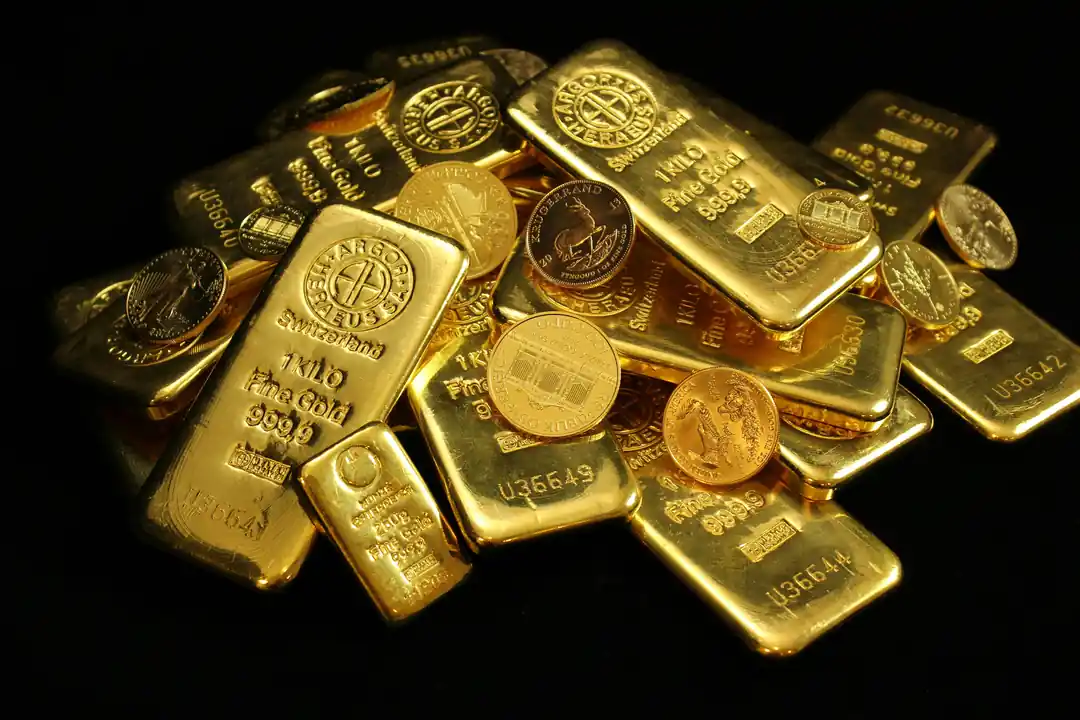
The most direct way is through a Gold IRA. This is a special type of self-directed IRA that allows you to hold physical gold bullion (like IRS-approved coins and bars) within a tax-advantaged retirement account. The gold is stored securely in an approved depository, so you don't have to worry about finding a safe place for it under your mattress. This method combines the tangible security of physical ownership with the tax benefits of a traditional IRA or 401(k).
If you're not keen on physical ownership, Gold ETFs (Exchange-Traded Funds) are an incredibly popular and liquid option. These are funds that hold physical gold in trust, and you can buy and sell shares of the fund on the stock market just like any other stock. It’s a simple way to get exposure to gold’s price movements without dealing with the logistics of storage and insurance. Finally, you can also invest in the stocks of gold mining companies, though this is an indirect play that carries its own set of risks tied to company performance and operational efficiency.
A Final, Reflective Thought
Bringing gold into your retirement plan isn't a radical act; it's a deeply conservative one. It’s an acknowledgment that we can’t predict the future, but we can prepare for it by building a portfolio that is balanced, diversified, and resilient. Gold isn't a ticket to get rich quick. It’s a tool for staying wealthy, for preserving the purchasing power you’ve worked so hard to build.
As you map out your own journey to retirement, perhaps it’s time to look beyond the conventional and consider the enduring wisdom of this timeless asset. It may just be the quiet, steadying presence your portfolio needs to truly stand the test of time. Here’s to building a future that’s as solid and secure as, well, gold.
From Pocket Change to Precious Metal: Weaving Gold into Your Personal Savings Plan
Finding Your Champion: How to Choose the Right Personal Injury Lawyer

Related Posts
 BUSINESS
Rethinking Non-Profit Promotion: Creative Strategies That Actually Drive Event Impact
Discover modern, research-backed strategies for promoting non-profit fundraisers, from experiential marketing to hyper-local micro-influencers and cross-sector partnerships.
 BUSINESS
Is the TV Ad Dead? A Deep Dive into Cost and Effectiveness in 2024
In an age of streaming and scrolling, is a TV commercial still a smart bet for brands? We're breaking down the real costs and surprising effectiveness of television advertising today.

Popular Posts
Rethinking Non-Profit Promotion: Creative Strategies That Actually Drive Event Impact

Beyond Stark White: The Best Interior Paint Colors to Light Up Your New Space

How to Actually Master a New Language on Your Own (No Magic Gene Required)
