Beyond the Headlines: Your Guide to Spotting Misinformation Online
Feeling overwhelmed by the flood of online news? Let's talk about how to cut through the noise and become a more critical, confident reader.
Honestly, some days it feels like navigating the internet is like trying to drink from a firehose. There's just so much coming at us, all the time. A shocking headline pops up on your social media feed, a friend sends a link to a "bombshell" article, and before you know it, you're down a rabbit hole, not quite sure what's real anymore. I've been there more times than I can count. You see something that makes your heart race—either with anger or excitement—and the impulse to share it is immediate.
But in that tiny pause between reading and sharing, there’s a huge opportunity. The spread of misinformation isn't some shadowy, complex conspiracy run by a few bad actors. More often than not, it's spread by people like you and me—well-intentioned people who see something that resonates with them and pass it along. The digital world we live in is built for speed, not necessarily for truth. That’s why taking a moment to become a more critical reader isn't just a nice idea; it feels like a necessary act of digital citizenship.
It’s not about being cynical or distrusting everything you see. It’s about being thoughtful. It’s about developing a new set of muscles for a new kind of world. So, let's pour a cup of coffee and talk through some real, practical steps we can all take to separate fact from fiction online.
Check the Foundation: Who is Telling This Story?
Before you even get into the details of an article, the first and most important question to ask is: "Who is this from?" Think of it like checking the foundation of a house before you decide to move in. If the source isn't solid, everything built on top of it is questionable. I once got completely taken in by an article from a site that looked incredibly professional, only to find out it was a satirical publication. It was a good lesson—looks can be deceiving.
Start with the URL. Does it look legitimate? Misinformation sites often try to mimic trusted news sources with slight misspellings or different domain endings (like .co instead of .com). Next, hunt for an "About Us" page. Reputable news organizations are proud of who they are. They’ll have a clear mission statement, information about their leadership, and a code of ethics. If you can't find this information, or if it's incredibly vague and full of dramatic, biased language, that's a major red flag.
Then, look for the author. Is there one? If an article is anonymous, be extra cautious. If there is an author, do a quick search on their name. Are they a real person with a history of writing on this topic? Do they have a professional social media presence or a portfolio of other work? An established journalist will have a digital footprint. If the author seems to have appeared out of thin air, or if their other work is just as inflammatory, it’s a sign that you should proceed with extreme skepticism.
Read Past the Clickbait: What's the Real Message?
We've all done it. We read a headline, feel a jolt of emotion, and form an opinion without ever clicking the link. But headlines are designed to be magnets for your attention; they often oversimplify or sensationalize the real story. One of the most powerful habits you can build is to always, always read the full article. The truth is usually found in the nuances, not the explosive title.
As you read, keep a mental checklist. Is the article citing its sources? A credible news story will link to original studies, quote experts by name and title, and reference official reports. Be wary of vague phrases like "experts say" or "a recent study found" without any specific details. If they do provide links, click on them! See if the linked source actually supports the claims being made in the article. Sometimes, a story will link to another article that is just as poorly sourced, creating a closed loop of misinformation.
Another key tactic is to look for corroboration. If a major event has happened, you can bet that multiple, competing news outlets will be reporting on it. Open a new tab and search for the same story. Are the big, trusted names in news (like the Associated Press, Reuters, NPR, or major national newspapers) also covering it? If you can only find the story on a handful of obscure blogs, it’s highly likely that it’s either not true or wildly exaggerated. This simple act of triangulation is one of the most effective tools you have.
Know Thyself: Acknowledge Your Own Biases
This is probably the hardest part of the whole process. We all have biases. It's just part of being human. We tend to favor information that confirms what we already believe—a psychological quirk known as confirmation bias. Misinformation is so effective because it often plays directly into these biases. It tells us that our team is right, the other team is wrong, and our deepest fears or hopes are justified.
When you read an article that makes you feel a powerful surge of emotion—especially anger or validation—that's a critical moment to pause. Ask yourself: "Am I reacting to the facts, or am I reacting because this story is perfectly aligned with my worldview?" Being honest with yourself about your own emotional triggers is a superpower in the fight against fake news. It allows you to take a step back and evaluate the content with a clearer head.
To combat this, make a conscious effort to diversify your news diet. If you tend to read sources from one political perspective, intentionally seek out and read a well-regarded publication from a different one. The goal isn't necessarily to change your mind, but to understand how different people can look at the same set of facts and come to different conclusions. It builds empathy and makes you a more sophisticated thinker. By understanding the landscape of belief, you become less susceptible to those who would exploit it. And in the end, that's what this is all about: reclaiming our own minds and making our shared digital space a little more honest.

Unlocking the Secrets of the Sky: A Student's Guide to Weather Forecasting
Finding Your Zen in the Dental Chair: Can Mindfulness Tame Dental Anxiety?

Related Posts
 LANGUAGES
How to Actually Master a New Language on Your Own (No Magic Gene Required)
Discover research-backed self-study strategies to break through fluency plateaus, build real confidence, and learn a new language on your own terms.
 STUDY TIPS
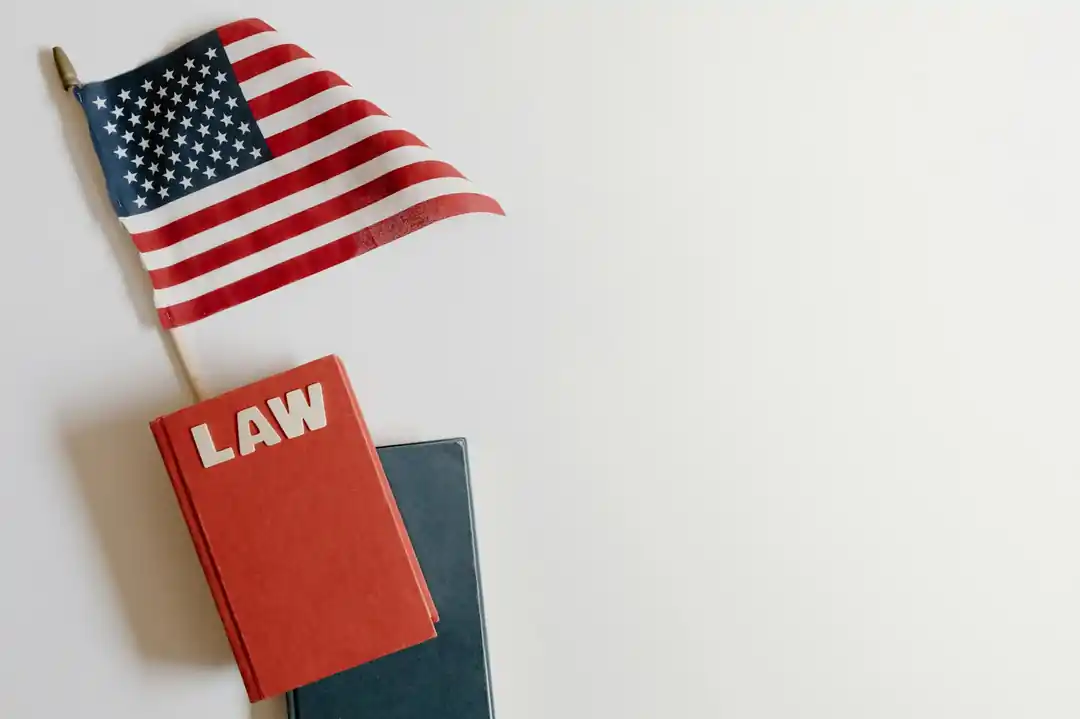
Your Unshakeable Foundation: Understanding the Most Important Legal Rights for US Citizens
Ever wonder what truly protects you as a American citizen? Let's dive into the fundamental legal rights that form the bedrock of our society, making sure you know your power.

Popular Posts

Rethinking Non-Profit Promotion: Creative Strategies That Actually Drive Event Impact

Beyond Stark White: The Best Interior Paint Colors to Light Up Your New Space
How to Actually Master a New Language on Your Own (No Magic Gene Required)
