Ever watch your phone's battery percentage plummet for no reason? The culprit is often hiding in plain sight—your favorite apps.
It’s a feeling we all know too well. You left the house with a 100% charge, but by some cruel twist of fate, you’re staring at that terrifying 20% warning before you’ve even had your lunch. You start mentally retracing your steps—did I stream too much music? Did I watch a couple of videos? Often, the answer is much sneakier. The apps we use every day, the ones that are supposed to make our lives easier, are often the biggest culprits in our daily battle for battery life.
Honestly, it’s a bit of a paradox. We want our apps to be smart, responsive, and always ready with the latest information. But that very "readiness" is what keeps your phone's engine running, even when it’s just sitting in your pocket. I used to think my phone’s battery was just getting old, but after a bit of digging, I realized the problem wasn't the hardware; it was the software I had installed on it.
Understanding what’s happening behind the screen is the first step to taking back control. It’s not about deleting your favorite apps, but about making them work for you, not the other way around.
The Silent Killers: Background Activity & Location Services
One of the most significant battery drains is something you never even see: background app refresh. This is the feature that allows your social media apps to load new posts before you open them, your news apps to grab the latest headlines, and your email to be perfectly synced. It’s convenient, for sure, but it’s also a constant, low-level drain on your battery. Each refresh is a small task, but when you have dozens of apps doing this all day, it adds up to a massive power draw.
Then there are the location trackers. GPS is one of the most power-hungry components in your phone. While it’s essential for navigation apps like Waze or Google Maps, so many other apps request access to your location for reasons that are, let's be honest, not always necessary. A weather app that tracks you 24/7, a social media app that wants to tag your location in every post—these are major offenders. I once discovered a shopping app that was constantly checking my location, and I couldn't for the life of me figure out why.
Setting location services to "While Using the App" is a game-changer. It’s a simple tweak, but it stops apps from following you around when they’re not open on your screen, saving a surprising amount of juice. For apps that have no business knowing where you are, just turn it off completely. You’ll be surprised how little you miss it.
The Obvious Drains: Your Screen and Weak Signals
It might sound basic, but your phone's beautiful, high-resolution screen is its single biggest power consumer. The brighter the screen, the more power it needs. We all love a vibrant display, but running it at full brightness all day is like flooring the gas pedal in your car everywhere you go. Most of the time, you can get by with the brightness set to auto or even manually turning it down indoors. It’s a small sacrifice that pays huge dividends in battery life.
Another factor is how hard your phone has to work to stay connected. When you’re in an area with a weak cell signal, your phone desperately ramps up its power to find and hold onto a connection. This constant searching is a massive battery drain. You’ve probably noticed this on road trips or in large buildings—the weaker the signal, the faster your battery dies.
While you can’t always control the signal strength, you can be mindful of it. If you know you’re going to be in a dead zone for a while (like on the subway or in a rural area), switching to Airplane Mode can save a ton of power. It feels a bit drastic, but it stops the phone from its frantic, power-hungry search for a signal that isn’t there.
How to Become a Battery Detective
You don’t have to guess which apps are causing the problem. Your phone already has the tools to show you exactly what’s going on. Both iOS and Android have a detailed battery usage section in their settings that breaks down which apps have consumed the most power over the last 24 hours or even the last 10 days.
On an iPhone, you can find this by going to Settings > Battery. On Android, it’s usually under Settings > Battery > Battery Usage. This screen is your new best friend. It will show you a list of apps, ranked by their power consumption. Sometimes the results are expected—the music app you streamed for hours will be high on the list. But other times, you’ll find a surprise culprit, an app you barely used that’s been running wild in the background.
Once you’ve identified the offenders, you can take action. If a social media app is at the top of the list, maybe it’s time to turn off its background refresh. If it’s a game you haven’t played in months, maybe it’s time to just delete it. This isn’t about punishment; it’s about digital housekeeping. A little bit of pruning can lead to a much healthier, longer-lasting battery. And honestly, a phone that you can rely on to last the whole day is a wonderful thing.

iOS vs. Android: The Developer's Dilemma in 2026
So You Want to Build an App? Your First-Timer's Guide to Going from Idea to Launch

Related Posts
 MOBILE
The Great Console Debate: How to Choose the Right Gaming System for Your Family
Feeling stuck between a Switch, a PlayStation, and an Xbox? Let's break down which gaming console is the perfect fit for your family's game nights.
 MOBILE
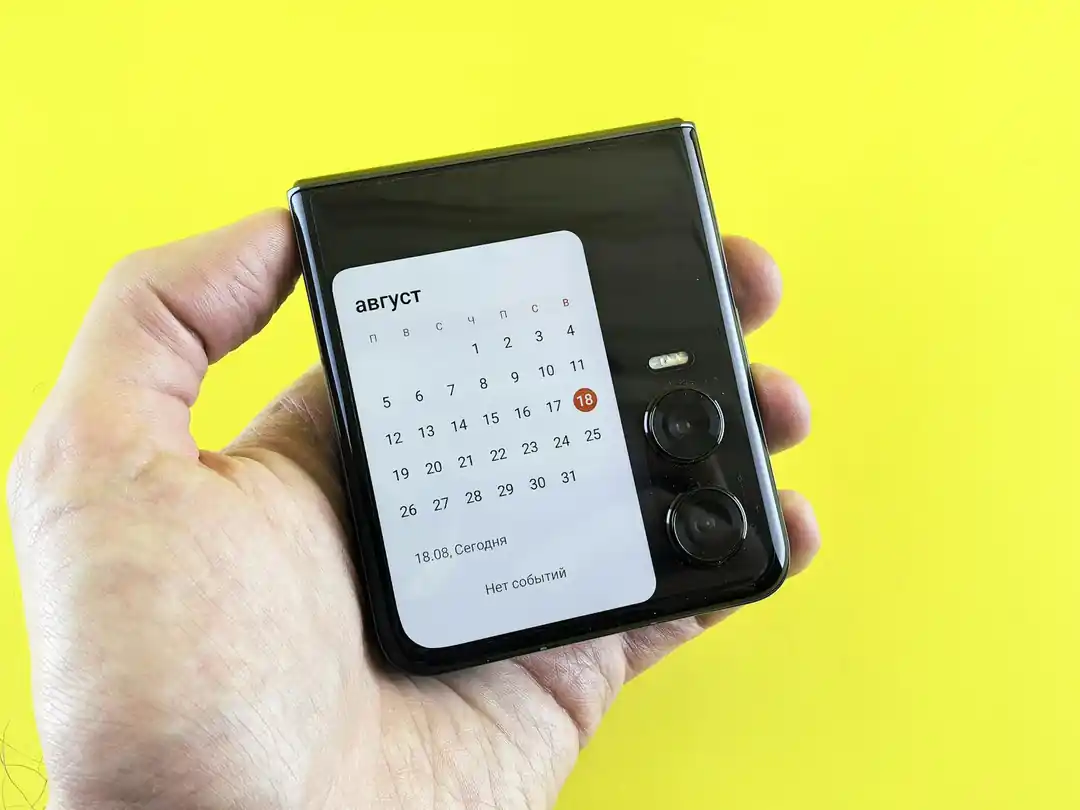
From Fragile to Formidable: The Surprising Evolution of Foldable Phone Durability
Remember when the idea of folding a smartphone screen in half felt like a disaster waiting to happen? Let's talk about how far they've come, because the story is pretty incredible.
Popular Posts

Rethinking Non-Profit Promotion: Creative Strategies That Actually Drive Event Impact

Beyond Stark White: The Best Interior Paint Colors to Light Up Your New Space

How to Actually Master a New Language on Your Own (No Magic Gene Required)
