Unlocking Space: Clever Design Tricks to Make Your Small Living Room Feel Grand
Feeling cramped? I get it. Let's explore some simple, yet powerful, interior design secrets that can visually expand your living room, making it feel more airy, open, and inviting.
Let's be honest, most of us have a complicated relationship with the term "cozy" when it's used to describe a living room. On one hand, it promises warmth and intimacy. On the other, it's often a polite euphemism for "small." I've spent years living in apartments where the living room was just big enough for a sofa and a prayer, and I used to believe that was just my fate. I thought that to get a sense of space, I needed to move. But I've since learned that so much of what makes a room feel large or small has less to do with square footage and more to do with visual perception.
It turns out, you can absolutely trick the eye into seeing more space than there is. It’s not magic, it’s just smart design. By making a few strategic choices with color, furniture, and light, you can transform a room that feels cramped and cluttered into one that feels open, airy, and wonderfully expansive. It’s about working with what you have and making every inch count, not just physically, but visually.
Lighten and Brighten Your Foundation
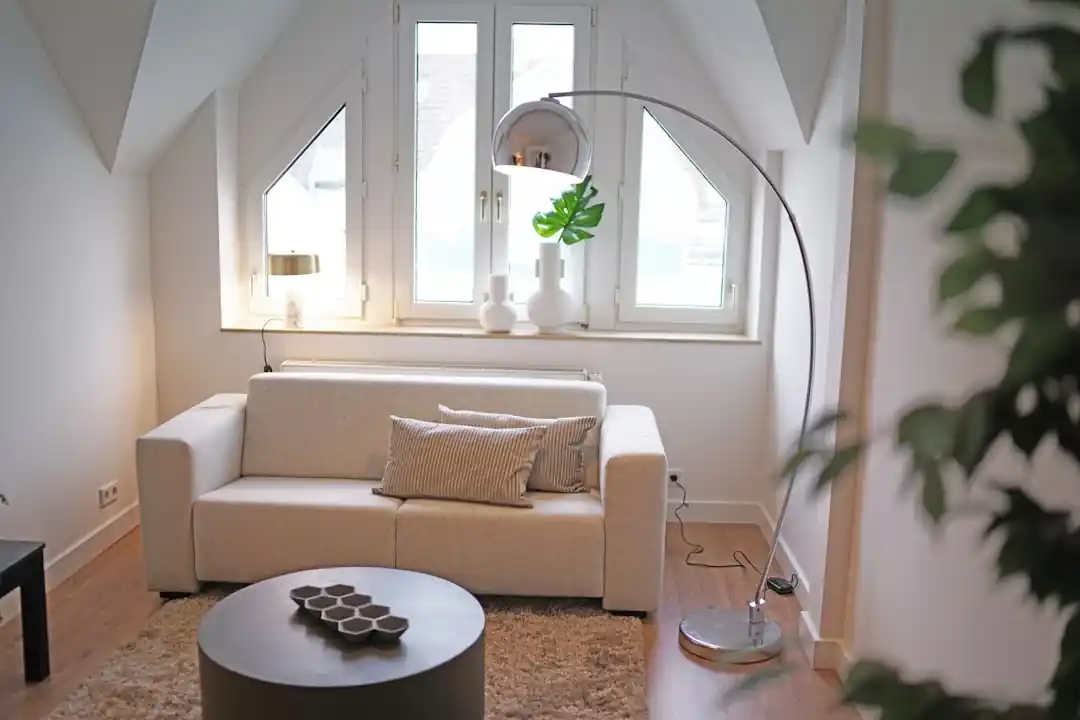
The absolute first rule of thumb for creating space is to embrace light colors. Dark, heavy hues have a tendency to absorb light and advance visually, making walls feel like they're closing in on you. I once painted a small den a deep navy blue, and while it was dramatic, it also felt like I was living in a stylish cave. A fresh coat of paint in a soft white, a pale grey, or a light beige can do wonders. These colors act as a canvas, reflecting any available light and making the entire room feel brighter and more open.
This doesn't mean your room has to be a sterile white box, though. You can create depth and sophistication by using a monochromatic color scheme. Think about layering different tones and textures of the same light color. For example, pair off-white walls with a slightly darker cream-colored sofa, a nubby light grey rug, and white sheer curtains. This creates a cohesive, seamless look that allows the eye to travel smoothly around the room without being interrupted by jarring color changes, which subtly makes the space feel larger.
Maximizing light, both natural and artificial, is the other half of this equation. If you have heavy, opaque drapes, consider swapping them for something lighter. Sheer or semi-sheer curtains are fantastic because they afford privacy while still letting that beautiful, space-expanding daylight pour in. If you're not overlooked, you might even go bare. For artificial lighting, a single overhead fixture often creates harsh shadows in the corners, making a room feel smaller. Instead, layer your lighting with a combination of floor lamps, table lamps, and perhaps some wall sconces to create a warm, even glow throughout the space.
Choose Furniture That Breathes
When it comes to furniture, scale and silhouette are everything. A common mistake is to either put dinky, doll-sized furniture in a small room (which can paradoxically make it feel smaller) or to cram in a massive, overstuffed sectional that eats up the entire space. The key is to find pieces that are properly scaled to the room and have a "light" visual weight. Look for sofas and armchairs that are raised on legs. This simple feature allows you to see the floor underneath, creating an illusion of more space and airflow.
Another fantastic tip is to opt for pieces with a slender profile. Think sofas with thin arms, or coffee tables made of glass or acrylic. These materials are see-through, so they occupy space without adding visual bulk. A glass coffee table, for instance, provides a functional surface without visually interrupting the flow of the room. You can see the rug and floor right through it, which makes a huge difference.
Finally, think multi-function. In a small living room, every piece of furniture should work hard. An ottoman can serve as a coffee table (with a tray on top), extra seating, and hidden storage for blankets or magazines. A nest of tables can be spread out when you have guests and tucked away neatly when you don't. Instead of a bulky media unit, consider a floating console that mounts to the wall, freeing up that precious floor space underneath and making the room feel less bottom-heavy.
The Art of Illusion and Reflection
If there's one classic trick in the book that always works, it's the strategic use of mirrors. A large mirror can quite literally double the perceived size of your room. When placed opposite a window, it will capture the view and bounce natural light all around the space, making it feel incredibly bright and open. It’s like adding another window. You don't have to stop at just one; a gallery wall of smaller, decorative mirrors can also work, scattering light and adding a touch of artistic flair.
Another way to create an illusion of space is by drawing the eye upward. When you emphasize the verticality of a room, you make the ceilings feel higher. You can achieve this with floor-to-ceiling curtains. By mounting the curtain rod several inches above the window frame and letting the drapes fall all the way to the floor, you create a long, unbroken vertical line that gives the impression of height. Similarly, tall, narrow bookshelves can have the same effect, encouraging the eye to look up.
Ultimately, the most impactful thing you can do to make a small room feel bigger is to declutter. Nothing shrinks a space faster than having too much stuff. Be ruthless. Go through your decor, your books, your piles of mail, and ask yourself what you truly need and love. A clean, organized space is inherently more calming and feels significantly larger than one filled with clutter. It allows your carefully chosen furniture and decor to breathe and take center stage.
Living in a small space doesn't mean you have to live with feeling cramped. With a little bit of planning and a few of these design principles in mind, you can create a living room that's not just functional, but feels spacious, beautiful, and perfectly you.
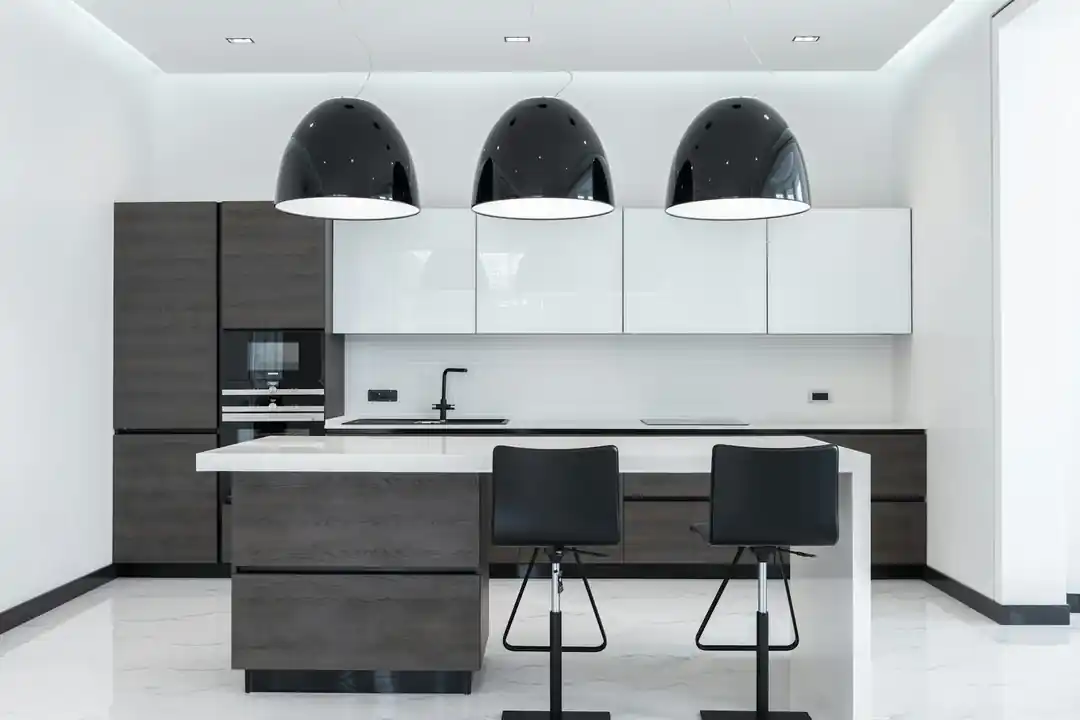
Beyond the Bulb: Brilliant Lighting Ideas for the Modern Kitchen
More Than Just a Label: The Real-World Benefits of an Energy-Efficient Home
Related Posts
 INTERIOR IDEAS
Beyond Stark White: The Best Interior Paint Colors to Light Up Your New Space
Discover how moving away from flat white walls to soft pale blues, earthy sage greens, and cozy warm neutrals can naturally brighten your home.
 HOME IMPROVEMENT
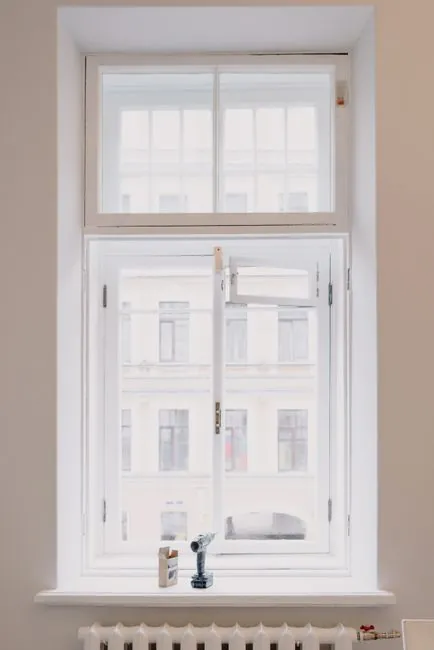
The Honest Winter Energy Guide: How I Cut Heating Costs Without Freezing
Practical, research-backed ways to keep your home warm and your utility bills reasonable this winter, from simple DIY sealing to smart habits.

Popular Posts

Rethinking Non-Profit Promotion: Creative Strategies That Actually Drive Event Impact
Beyond Stark White: The Best Interior Paint Colors to Light Up Your New Space

How to Actually Master a New Language on Your Own (No Magic Gene Required)
