Ever dream of creating your own comic? It's more achievable than you think. Let's walk through the first steps to bring your story to life, from idea to digital page.
Have you ever been so lost in a webcomic that the world around you just fades away? You’re scrolling, completely absorbed in the characters, the art, the drama, and a little voice in your head whispers, “I want to do this.” It’s a powerful feeling, that spark of inspiration. But for many of us, it’s immediately followed by a wave of self-doubt. Where would I even start? Do I need to be a professional artist? What if my story isn’t good enough?
Honestly, I’ve been there. The idea of creating a whole world from scratch can feel monumental, almost impossible. We see polished, popular comics and assume they sprang into existence perfectly formed. The reality is, every single one of those creators started exactly where you are now: with an idea. The barrier to entry for comics has never been lower. You don’t need a fancy art degree or a publisher’s approval. You just need a story you’re passionate about and the courage to draw that first panel.
This isn't about creating a masterpiece overnight. It's about the joy of storytelling, of giving your characters a voice and a world to live in. It’s a journey of learning and growth, and the webcomic community is incredibly welcoming to newcomers. So, let’s quiet that inner critic for a bit. Let’s talk about how you can take that flicker of an idea and turn it into your very own webcomic.
The Heart of the Comic: Your Story and Characters
Before you draw a single line, the most important thing is to figure out what you want to say. What’s the story that only you can tell? Your unique voice and perspective are your greatest assets. Don't worry about finding an idea that’s 100% original—every story is a remix of something. What matters is your execution and the personal touch you bring to it. Are you drawn to slice-of-life comedy, sprawling fantasy epics, or heartfelt romance? Lean into what you love to read. Your genuine enthusiasm for the subject will shine through and keep you motivated for the long haul.
Once you have a core concept, it's time to think about characters. Memorable characters are the engine of any good story. They don't have to be perfect; in fact, their flaws are often what make them relatable. Think about their goals, their fears, and what makes them tick. A great exercise is to write short, one-page "mini-comics" about them. It’s a low-pressure way to explore their personalities and how they interact with each other. This helps you find their voice before you commit to a larger plot.
And please, start small. I know it’s tempting to plan a 50-chapter epic, but that can quickly become overwhelming. Many successful creators began with a shorter, self-contained story. This allows you to learn the entire process—scripting, drawing, publishing, and promoting—on a manageable scale. You can always expand the world later. Finishing a short story is a huge confidence booster and gives you a finished product you can be proud of.
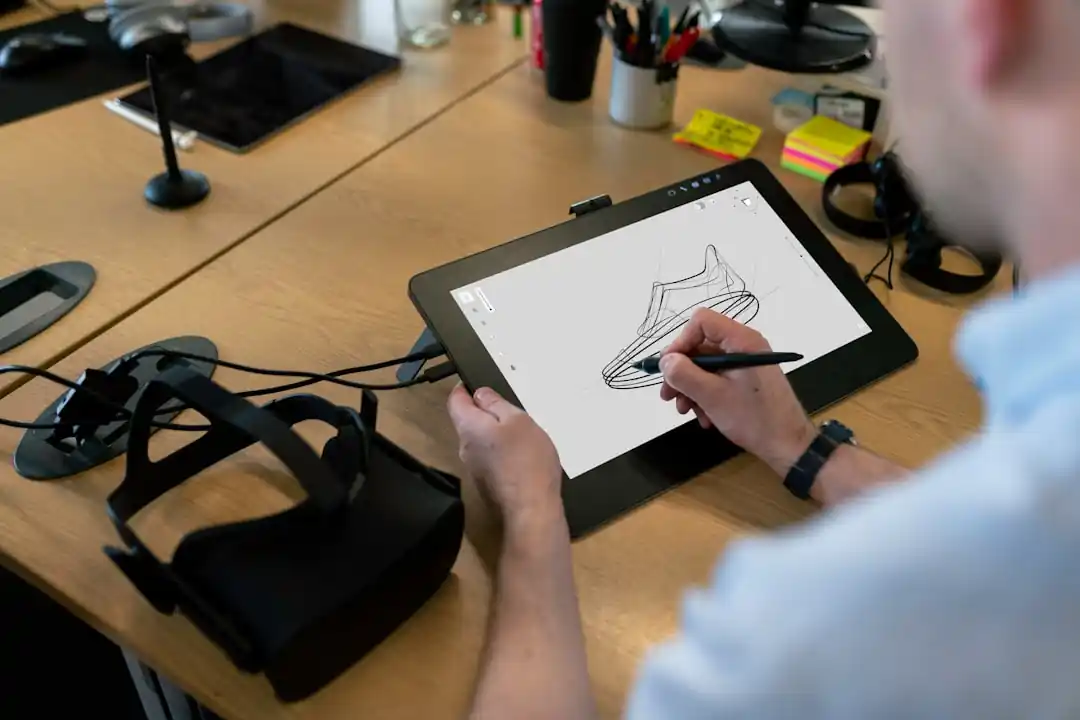
Gearing Up: The Tools of the Trade
The question of "what tools do I need?" can be a real stumbling block. It's easy to fall into the trap of thinking you need the most expensive gear to make good art. You don't. The most important tool is the one you're comfortable with and will use consistently. People have made amazing comics with nothing more than a ballpoint pen and printer paper. Start with what you have.
If you want to go digital, the options are vast and more affordable than ever. A great entry-level drawing tablet from brands like Wacom or Huion can be had for under $100. If you have an iPad, it’s a fantastic tool, especially with an Apple Pencil and the app Procreate. For software, you don't need to jump straight to an expensive Adobe subscription. Clip Studio Paint is the industry standard for a reason; it's packed with comic-specific features (panel tools, speech bubbles, 3D models) and can often be bought on sale for around $25.
For those on a tighter budget, there are incredible free options. Krita is a powerful, professional-grade open-source art program that rivals paid software. Medibang Paint is another excellent free choice that's lightweight and has great tools for comic creation. The bottom line is this: experiment. Download the free trials, see what clicks with your workflow, and don't let the tools intimidate you. The story is what matters most.
Publishing and Finding Your People
You’ve made a comic! Now, how do you get it in front of readers? This is where the "web" in webcomic comes in. Platforms like Webtoon Canvas and Tapas are the giants in this space. They have massive built-in audiences who are actively looking for new comics to read. Uploading your work there is free and a fantastic way to get discovered. They both favor a vertical-scroll format, so keep that in mind when you're laying out your pages.
Don't put all your eggs in one basket. It's a great idea to post your comic on multiple platforms to maximize your reach. Social media is also your best friend. Instagram, Twitter, and TikTok are perfect for sharing panels, behind-the-scenes sketches, and engaging with your readers. Use relevant hashtags (like #webcomic, #originalcharacter, #indiecomic) to help people find you. Building a community around your work is one of the most rewarding parts of the process.
The most important rule for building an audience is consistency. Try to stick to a regular update schedule, whether it's once a week or once a month. Readers who love your work will eagerly await the next installment. And don't be discouraged if you don't get thousands of readers overnight. It takes time. Celebrate every comment, every like, and every new subscriber. These are the first members of your community. Keep creating, keep sharing, and keep telling your story. Your audience will find you.

Beyond Speed: The Website Metrics You Should Actually Be Tracking
The Unbreakable Alliance: How AI and Blockchain Are Forging a New Era of Security

Related Posts
 HOBBIES
The Beginner's Guide to Reading the Night Sky: How to Spot Your First Constellations
A friendly, grounded guide to navigating the night sky, understanding stellar movements, and spotting iconic constellations without expensive gear.
 PETS
PETSSniffle-Free Snuggles: America's Most-Loved Hypoallergenic Dogs
Dreaming of a furry friend but dreading the sneezes? You're not alone. Let's dive into the wonderful world of popular hypoallergenic dog breeds in the US.
Popular Posts

Rethinking Non-Profit Promotion: Creative Strategies That Actually Drive Event Impact
Beyond Stark White: The Best Interior Paint Colors to Light Up Your New Space

How to Actually Master a New Language on Your Own (No Magic Gene Required)