Beyond the Sauce: Why Bologna is Italy's True Historical Hidden Gem
Forget what you think you know about Bologna. I’m taking you on a journey through a city of leaning towers, ancient universities, and hidden canals that feels like stepping back in time.
Let’s be honest. When most people plan a trip to Italy, they think of Rome’s Colosseum, Florence’s art, or Venice’s canals. Bologna often gets overlooked, maybe known best for the rich meat sauce that, ironically, is a bit of a tourist invention (the locals just call it ragù). But I’m here to tell you that skipping Bologna is a massive mistake. I recently spent some time getting lost in its endless porticoes and medieval streets, and it felt like I had stumbled upon one of Italy’s best-kept secrets.
The city has a few nicknames, and they all fit perfectly. It's called La Dotta (the Learned) because it’s home to the oldest university in the Western world. It’s La Grassa (the Fat) for its unbelievably delicious food scene. And it’s La Rossa (the Red) for its sea of terracotta rooftops and its historically left-leaning politics. This isn't just a city; it's a multi-layered experience. Walking here is like peeling back the pages of a history book, where every cobblestone and archway has a story to tell.
What struck me most was the feeling of authenticity. It’s a city that hasn’t completely sold its soul to tourism. You feel like you're part of the city's daily rhythm, not just a spectator. It’s a place where history isn’t just in museums; it’s in the air you breathe, the food you eat, and the very ground beneath your feet.
The Two Towers: Touching the Medieval Sky
You can't talk about Bologna without mentioning its most dramatic feature: the Two Towers, or Le Due Torri. These leaning medieval skyscrapers, the Asinelli and the Garisenda, are the undisputed symbols of the city. Seeing them for the first time is a genuine jaw-on-the-floor moment. They rise out of the city center, leaning with a kind of ancient, stubborn grace that photos just can't capture. I just stood there for a while, mesmerized by how they command the skyline.
These towers are a relic of a time when Bologna was a medieval version of Manhattan, with over 100 towers built by wealthy families to show off their power and for defense. The Asinelli Tower, the taller one, stands at a staggering 97.2 meters (about 319 feet). And yes, you can climb it. I have to warn you, the climb up the 498 wooden steps is not for the faint of heart. It’s a narrow, winding journey that feels like a workout and a history lesson combined. But the reward? Absolutely breathtaking. The 360-degree view of Bologna’s red city is one of the most stunning urban landscapes I have ever seen.
The shorter, more tilted Garisenda Tower stands right beside it, its lean so severe that Dante even mentioned it in his Inferno. You can't climb this one (it’s a bit too precarious), but its presence adds to the dramatic story. These towers have seen it all—they’ve been prisons, scientific observatories, and lookouts. They are a powerful, tangible link to a past that feels both distant and incredibly close when you're standing in their shadow.
Piazza Maggiore: The Heartbeat of Bologna
Every Italian city has its main square, but Piazza Maggiore feels different. It’s not just a place; it’s the living, breathing heart of Bologna. It’s vast, grand, and surrounded by some of the most important buildings in the city's history. The first time I walked into the square, I was struck by the sheer sense of space and the weight of the centuries that seemed to hang in the air. It’s where locals meet, where students relax, and where the city’s story is written in stone.
On one side, you have the Basilica di San Petronio, a colossal church dedicated to the city's patron saint. Its facade is famously unfinished, with a stark contrast between the marble at the bottom and the rough brick above. This wasn't a mistake; it was a result of papal politics and shifting priorities, a visible scar that tells a fascinating story of ambition and rivalry. It’s so big that it even contains a meridian line inside, a massive solar observatory laid into the floor in the 17th century.
Surrounding the rest of the square are the Palazzo d'Accursio (the town hall), the Palazzo dei Notai (Notaries' Guild), and the Palazzo del Podestà. Don't miss the Fountain of Neptune in the adjoining piazza, a powerful Renaissance sculpture that locals affectionately call "the Giant." There’s a real sense of civic pride here. You can just sit on the steps of the basilica and watch the world go by, feeling the pulse of a city that has gathered in this very spot for nearly 800 years.

The Archiginnasio and the Whispers of Knowledge
Bologna’s identity is inextricably linked to its university, the oldest in the Western world, founded in 1088. This isn't a campus in the American sense; the university is woven into the fabric of the city itself. To truly feel this history, you have to visit the Palazzo dell'Archiginnasio. This was the first permanent seat of the university, and it is an absolute masterpiece of Renaissance architecture.
Walking into its courtyard, you're surrounded by walls covered in the coats of arms of thousands of students and professors who passed through these halls centuries ago. It’s like a yearbook written in stone, a stunning visual record of the university's long and storied past. The sheer number of them is overwhelming and gives you a real sense of the institution's incredible legacy.
The highlight, though, is the Anatomical Theatre. Stepping into this room is like stepping directly into the 17th century. The entire theater is carved from spruce wood, with tiered benches rising around a central marble dissection table. The air is thick with history. You can almost hear the whispers of the medical students who once gathered here to unlock the secrets of the human body. It’s a beautiful, slightly eerie, and utterly unforgettable space that speaks volumes about the dawn of modern science.
Bologna is a city that rewards curiosity. It’s a place to get lost in, to wander without a map, and to let the stories of the past find you. It may not have the instant recognition of its more famous Italian siblings, but its depth, its character, and its profound sense of history offer a travel experience that is infinitely more personal and, I think, far more memorable. It’s a city that stays with you long after you’ve left.
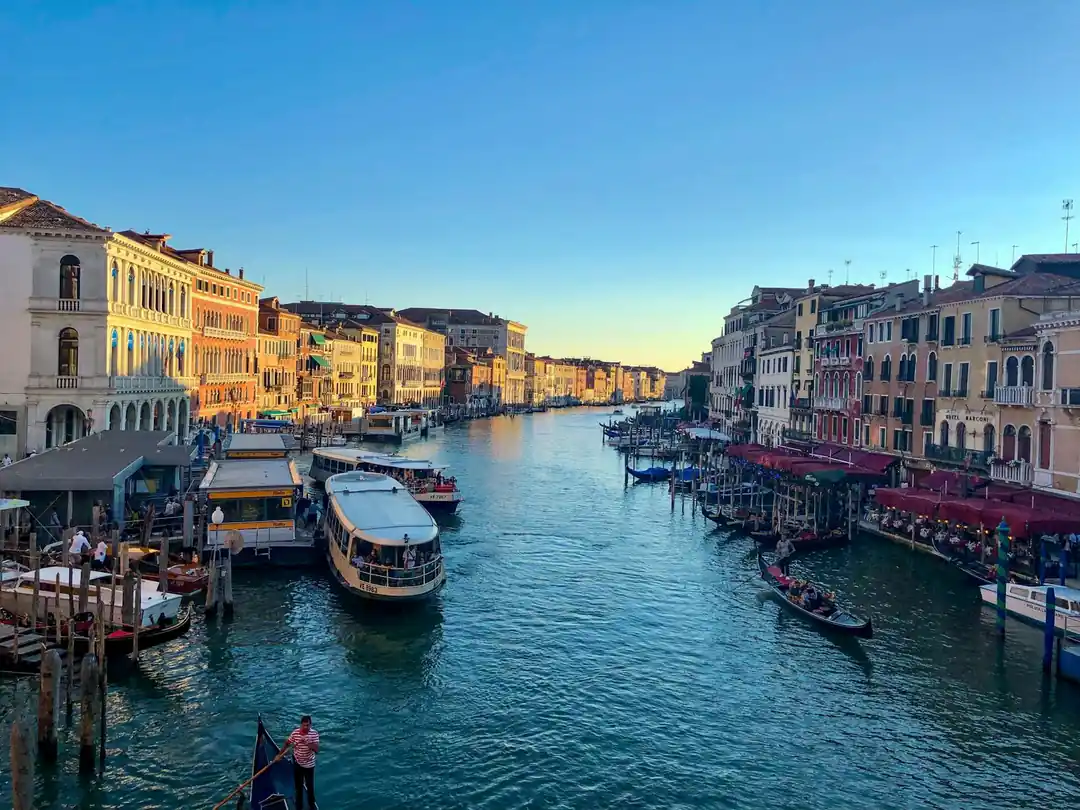
That Solo Trip to Northern Italy? Here’s How to Actually Budget For It.
The Secret to Ever-Fresh Bagels: Storage Hacks You Need to Know
Related Posts
 TRANSPORT
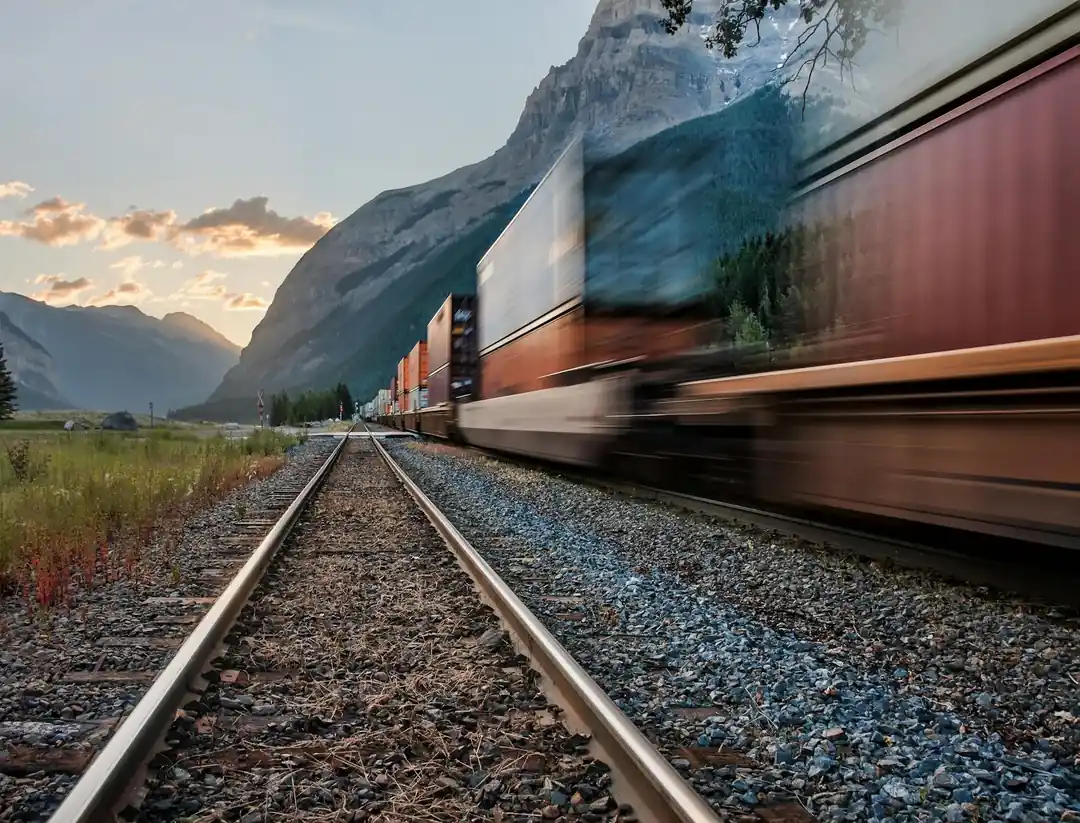
Beyond the Highway: Finding Canada's Soul on a Western Rail Adventure
Forget road trips. I'm talking about rediscovering the romance of travel on Via Rail's most scenic routes through the heart of the Canadian West. It’s an experience that changes you.
 TRAVEL TIPS
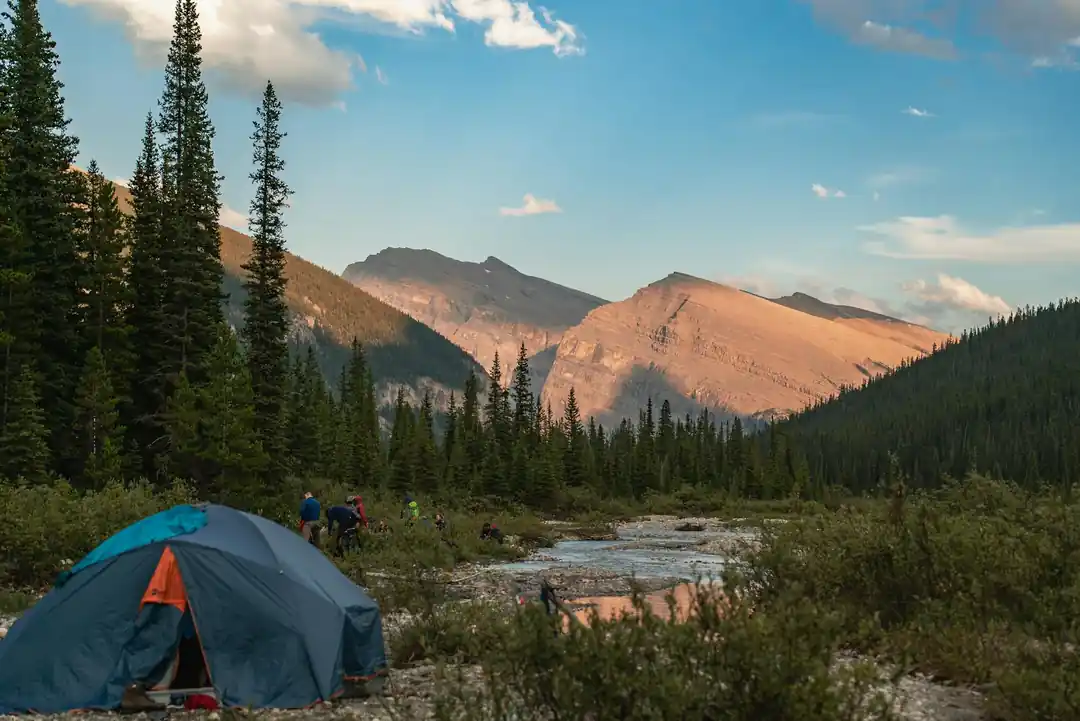
The Unwritten Rules of the North: What to Know Before Camping in Canada
Heading to the Great White North for a camping trip? It's an amazing idea. But from campfire etiquette to wildlife wisdom, here’s what you need to know before you go.

Popular Posts

Rethinking Non-Profit Promotion: Creative Strategies That Actually Drive Event Impact

Beyond Stark White: The Best Interior Paint Colors to Light Up Your New Space

How to Actually Master a New Language on Your Own (No Magic Gene Required)
