Discover the essential factors to consider when selecting an everyday handbag that perfectly balances practical functionality with your personal style.
Assessing your daily routine and needs
Choosing the right everyday handbag starts with looking at your daily habits. Before getting swept up in trends or designer labels, ask yourself how often you will actually use the bag and what environments it needs to navigate. A bag for a corporate office has different requirements than one used for running errands, traveling, or chasing after toddlers.
Think about what you carry on a typical day to determine the storage features you need. If you need to carry a laptop, chargers, and a water bottle, look for a bag with structured compartments or padded pockets to keep them secure. If you only need space for a phone, a compact wallet, and keys, a smaller profile avoids unnecessary bulk and keeps you organized—much like a minimalist EDC kit—without weighing you down.
Consider the transitional moments in your routine, such as moving from a morning workout directly to the workplace or navigating a busy commute. In these cases, you might need hands-free options like a sleek backpack or an adjustable crossbody. By identifying what your bag actually needs to do, you can eliminate styles that look great on the shelf but wouldn't work for your lifestyle.
Prioritizing comfort and weight in your selection
Comfort & Ergonomics Tips
- •Check the empty weight of the bag first to avoid unnecessary shoulder, neck, and back strain
- •Avoid stiff materials with sharp corners that dig into your side while moving
- •Choose adjustable, non-slip straps made of soft materials to customize drop length and prevent chafing
One often overlooked aspect of selecting an everyday handbag is its empty weight. Before you put anything inside, the bag itself should be as lightweight as possible so it doesn't drag you down. This is especially important for crossbody bags, where the weight rests on a single shoulder and hip, which can lead to neck and back strain over time.
Beyond the weight of the material, the design also affects how comfortable the bag is to carry. A well-designed handbag should distribute weight evenly and fit your body's shape. Stiff materials with sharp corners can dig into your side, while bulky shapes can get in your way in crowded spaces or tight areas.
The construction and adjustability of the straps are also important for long-term comfort. Check whether the strap stays securely on your shoulder or slides off when you are in a hurry. Adjustable straps allow you to customize the drop length to your height for a better fit, while softer materials prevent chafing against your skin or clothing.
Evaluating durability and material quality
Handbag Durability Checklist
- Resilient base materials — Full-grain leather, coated canvas, or water-resistant nylon
- Reinforced stress points — Heavy-duty stitching where straps meet the body of the bag
- Finished strap edges — Turned-under or sealed edges to prevent premature fraying
- Solid metal hardware — Smooth, sturdy zippers, clasps, and buckles that resist breakage
An everyday handbag takes a lot of wear, so durability and material quality are essential. The fabric or leather must withstand daily use, including weather and accidental spills. While full-grain leather and coated canvas are known for their longevity, high-quality water-resistant nylon is a lightweight alternative that is easy to clean and maintain.
The structural integrity of the bag is just as important as the material. Check the manufacturing details, especially at stress points where the straps meet the body, to ensure they are reinforced and won't rip under the weight of your essentials. Also, check that the edges of the straps are turned under or sealed to prevent fraying and extend the life of the bag.
Hardware like zippers, clasps, and buckles often fail first in a poorly constructed bag. Investing in one with sturdy, smooth zippers and solid metal hardware prevents the frustration of broken closures or stuck compartments. When a bag is built with attention to these details, it handles daily use and accidents without losing its shape or reliability.
Finding the right silhouette and capacity
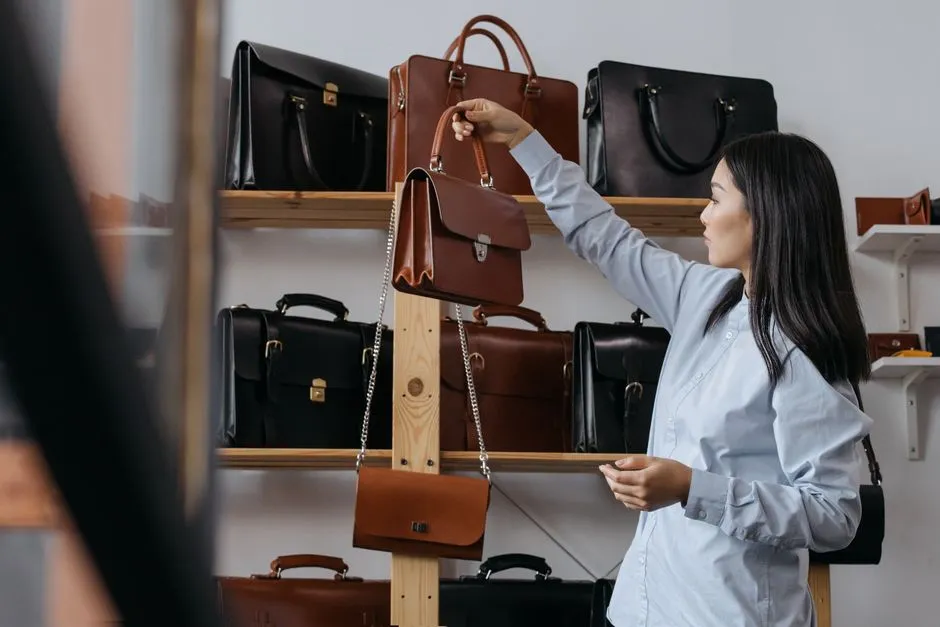
Choosing the right silhouette is about balancing the bag's look with its carrying capacity. Tote bags are popular for their volume, making them ideal for work, travel, or carrying a laptop and extra clothes. When choosing a tote, find a size proportionate to your height—typically 30 to 40 centimeters wide—with handles long enough to fit over winter coats.
If a large tote feels like too much for your daily needs, a shoulder bag or hobo style is a more compact alternative. Slouchy hobo bags offer a relaxed look for casual weekends, while structured half-moon or rectangular shoulder bags add a more polished touch to office attire. Keeping the bag no thicker than 10 to 12 centimeters prevents it from feeling unwieldy, especially if it includes an optional crossbody strap.
For days when you need to be hands-free or are carrying heavier loads, a sleek backpack is a practical option. Modern backpacks in nylon or leather combine utility and fashion, offering padded straps for comfort without looking like school gear. By rotating a spacious tote, a versatile shoulder bag, and a practical backpack, you can ensure you have the right silhouette for the day's needs.
Balancing practicality with your personal style
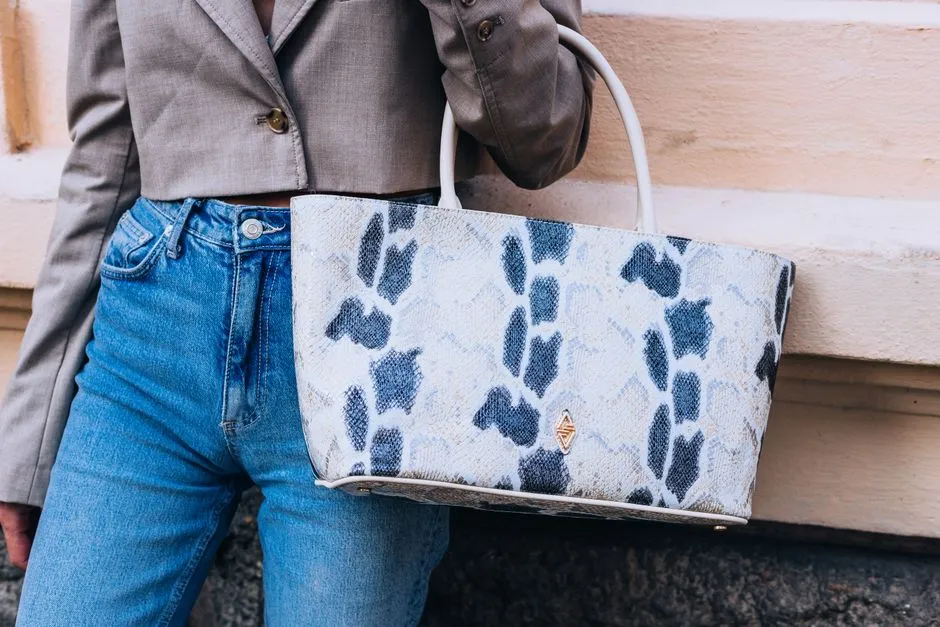
While functionality is the main consideration, the bag should still match your personal style and wardrobe. A bag you carry daily becomes a signature part of your look, so it should feel like an authentic representation of you. Whether you prefer minimal designs or classic aesthetics, the bag should make you feel confident and put-together.
Color selection is a big part of ensuring your bag remains versatile enough to pair with most of your closet. Neutral tones like black, chocolate brown, warm tan, and deep navy are good foundation pieces because they match a wide range of outfits. However, if your wardrobe is mostly neutral, a rich tone or textured materials like suede can add visual interest.
Ultimately, an everyday bag doesn't have to sacrifice style for utility, nor should it be a hyper-trendy piece that falls out of fashion in one season. By avoiding overly fussy details, heavy hardware, or loud logos, you can invest in a timeless piece. The right versatile handbag fits into your life, solving your carrying problems while complementing your personal style.
References
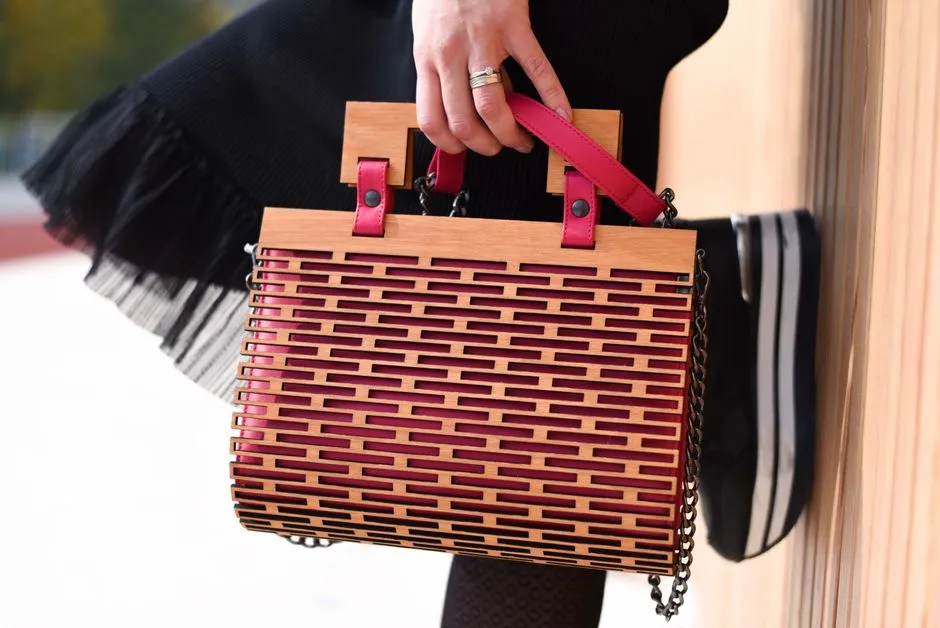
Bold handbag silhouettes that elevate basic outfits
How to prevent workout burnout and CNS fatigue during high volume training

Related Posts
 SHOPPING
Emerging handbag brands offering high quality statement pieces
Discover the under-the-radar handbag labels redefining luxury with high craftsmanship, unique silhouettes, and sustainable practices.
SHOPPINGBold handbag silhouettes that elevate basic outfits
Discover the top bold handbag silhouettes—from structurally warped classics to oversized totes—that effortlessly upgrade your everyday basics into high-fashion looks.