From ancient treasure to modern safe-haven, gold's value tells a fascinating story of economic shifts and human behavior. Let's explore the historical trends that define this timeless asset.
There’s something almost mythical about gold, isn’t there? For millennia, it has been a symbol of wealth, power, and enduring value. It’s the stuff of legends and the bedrock of empires. But beyond its shimmering allure, gold's journey through modern financial history is a captivating story of economic theory, political maneuvering, and raw human emotion. Honestly, I used to see gold as a rather boring investment, something my grandfather would talk about. It felt static, almost archaic in a world of fast-moving stocks and digital currencies.
But the more you dig into the historical trends of gold prices, the more you realize it’s anything but static. Its price chart is a dramatic landscape, with soaring peaks and deep valleys, each one telling a story about a specific moment in our collective history. Understanding these movements isn't just for economists or Wall Street traders; it gives us a fascinating lens through which to view the anxieties and ambitions of different eras. It’s a story about the search for stability in an unstable world.
So, how did gold transform from a simple medium of exchange to the complex financial asset it is today? The story is more dynamic than you might think, and it offers some powerful insights into why this precious metal continues to hold such a powerful grip on our imagination and our wallets.
The Break from Tradition: Nixon and the End of an Era
For much of modern history, the price of gold was, for all intents and purposes, fixed. Under the Bretton Woods system, established in 1944, the U.S. dollar was pegged to gold at a rate of $35 per ounce, and other major currencies were pegged to the dollar. This created a stable, predictable global financial order. But this stability came at a cost, limiting the ability of governments to respond to domestic economic needs. By the late 1960s, the system was under immense strain, and the U.S. was facing rising inflation and a dwindling gold supply.
The pivotal moment came on August 15, 1971. In a move that sent shockwaves through the global economy, President Richard Nixon announced that the U.S. would no longer convert dollars to gold at a fixed rate. This decision, often called the "Nixon Shock," effectively severed the last link between the world's major currencies and gold. The anchor was lifted, and for the first time in decades, the price of gold was free to float, dictated by the forces of supply and demand on the open market.
This was the beginning of the modern era of gold investment. The metal was no longer just a monetary tool; it was now a global commodity, an asset that investors could buy and sell as a hedge against the very economic uncertainty that its unpegging had unleashed. The 1970s, a decade plagued by oil shocks, geopolitical turmoil, and crippling stagflation, became gold's first major test in this new role—a test it passed with flying colors as its price skyrocketed.
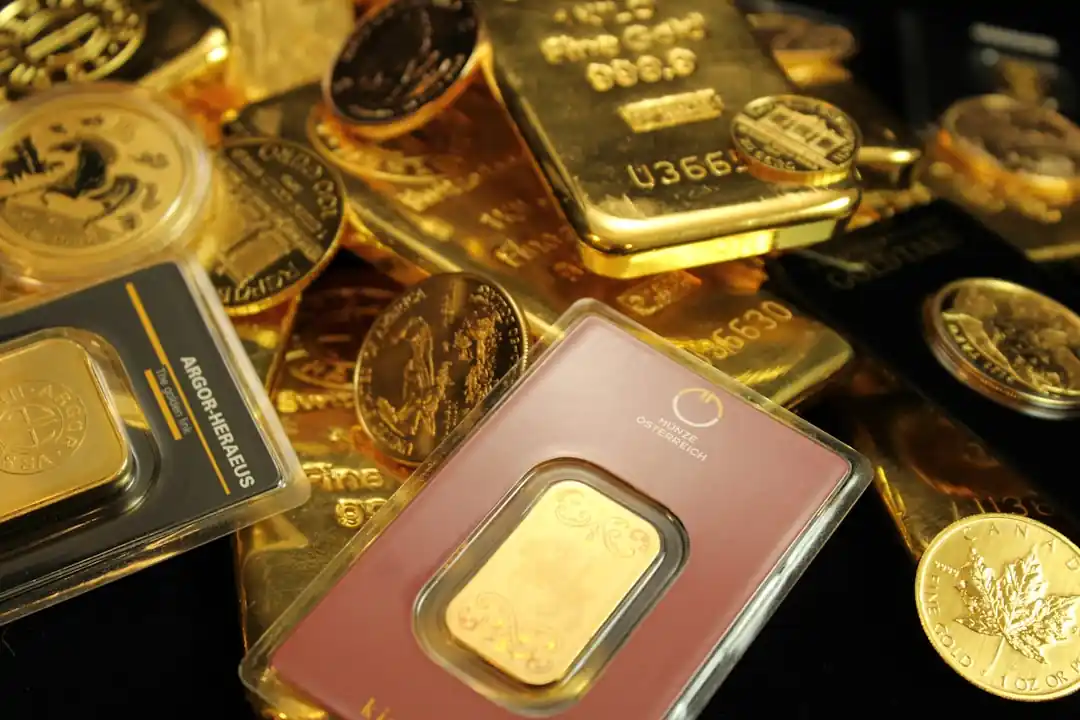
A Barometer of Fear: Gold's Performance in Times of Crisis
If you look at the historical price chart of gold, you'll notice a recurring pattern: when fear and uncertainty spike, so does the price of gold. It has earned its reputation as the ultimate "safe-haven" asset. During periods of economic turmoil, when traditional investments like stocks and bonds are faltering, investors instinctively turn to the tangible, time-tested security of gold. It’s a flight to quality, a search for an asset that isn't dependent on any single government's promise or corporation's profitability.
The 2008 Global Financial Crisis is a perfect case study. As major financial institutions crumbled and stock markets around the world went into freefall, gold embarked on a spectacular bull run. Investors, terrified of a complete collapse of the financial system, poured money into gold, driving its price from around $700 per ounce to over $1,800 per ounce in the years that followed. It acted as a financial lifeboat in a sea of red ink.
We saw this pattern repeat, albeit in a different context, during the COVID-19 pandemic. The unprecedented global shutdown and the massive government stimulus packages that followed created a perfect storm of economic uncertainty and inflationary fears. Once again, investors flocked to gold, pushing it to new all-time highs in the summer of 2020. These crises have repeatedly reinforced gold's role not just as a commodity, but as a form of financial insurance.
The Tug-of-War: Key Factors Influencing Gold's Price
While crises often provide the most dramatic price spikes, the day-to-day movement of gold is influenced by a constant tug-of-war between several key economic factors. Understanding these forces is crucial to making sense of the market. One of the most important is the relationship between gold and the U.S. dollar. Since gold is priced in dollars, a stronger dollar tends to make gold more expensive for foreign buyers, which can dampen demand and push prices down. Conversely, a weaker dollar makes gold cheaper for the rest of the world, often boosting its price.
Interest rates, particularly those set by the U.S. Federal Reserve, are another critical driver. Gold is a non-yielding asset; it doesn't pay dividends or interest. Therefore, when interest rates rise, the opportunity cost of holding gold increases. Investors may prefer to put their money in bonds, where they can earn a steady return. When interest rates are low, however, the appeal of gold as a store of value grows, as the return from holding cash or bonds is minimal.
Finally, there's the simple, age-old dynamic of supply and demand. While the supply of gold from mining is relatively stable and predictable, demand can fluctuate wildly. This demand comes from several sources: investment demand (bars, coins, and ETFs), central bank buying (as they diversify their reserves), and consumer demand, primarily for jewelry in countries like India and China. When any of these sources of demand surge, it can have a significant impact on the global price.
As we look back on the decades since gold was untethered from the dollar, its journey has been anything but boring. It has been a mirror, reflecting our greatest economic fears and our enduring search for security. While the financial world continues to evolve in ways we can't even imagine, the historical trends suggest that this ancient, gleaming metal will continue to play a central role in the story of money and value. It’s a timeless asset, and its story is far from over.
Gold's Secret Language: How Economic Tea Leaves Move Its Price
From Pocket Change to Precious Metal: Weaving Gold into Your Personal Savings Plan
Related Posts
 BUSINESS
Rethinking Non-Profit Promotion: Creative Strategies That Actually Drive Event Impact
Discover modern, research-backed strategies for promoting non-profit fundraisers, from experiential marketing to hyper-local micro-influencers and cross-sector partnerships.
 BUSINESS
Is the TV Ad Dead? A Deep Dive into Cost and Effectiveness in 2024
In an age of streaming and scrolling, is a TV commercial still a smart bet for brands? We're breaking down the real costs and surprising effectiveness of television advertising today.

Popular Posts
Rethinking Non-Profit Promotion: Creative Strategies That Actually Drive Event Impact

Beyond Stark White: The Best Interior Paint Colors to Light Up Your New Space

How to Actually Master a New Language on Your Own (No Magic Gene Required)
