We all love the convenience of payment apps, but what's the real trade-off? A deep dive into the good, the bad, and the complicated reality of going cashless in the U.S.
I have a vivid memory of standing in a ridiculously long line for a concert, realizing with a jolt of panic that I was about ten dollars short for the band t-shirt I desperately wanted. My friend, without missing a beat, just said, "I got you. Just Venmo me later." The transaction was done before the line even moved. It was a lightbulb moment for me. The days of awkwardly splitting checks, running to an ATM, or owing a friend cash for weeks were just... over.
This shift isn't just a niche tech trend; it's a fundamental change in our financial behavior. Honestly, it feels like digital payment apps—like Zelle, Cash App, Venmo, and Apple Pay—have become so ingrained in our daily lives that we barely remember a time without them. They've moved from a novelty to a utility. We use them for everything from paying rent to buying coffee, and the seamlessness is undeniably seductive. But as I've come to rely on them more, I've also started to wonder about the other side of the coin. Is all this convenience coming at a hidden cost?
The Upside: Life in the Financial Fast Lane
Let's start with the obvious win: unparalleled convenience. The ability to send money to someone in seconds, without ever touching cash or a card reader, is a game-changer. Think about splitting a dinner bill with a big group of friends. What used to be a chaotic 15-minute ordeal of calculating who owes what is now a simple, "I'll put it on my card, you guys can just send me your share." It smooths out so many of life's little financial frictions in a way that feels genuinely liberating.
This convenience extends beyond just paying back your friends. Many of these apps have become powerful tools for managing your personal finances. They create an automatic, itemized record of your spending, which can be a huge eye-opener. I've personally found that casually scrolling through my transaction history gives me a much clearer, and sometimes sobering, picture of where my money is actually going. It’s like having a built-in budget tracker that requires almost zero effort to maintain, which is a far cry from the days of stuffing receipts into a shoebox.
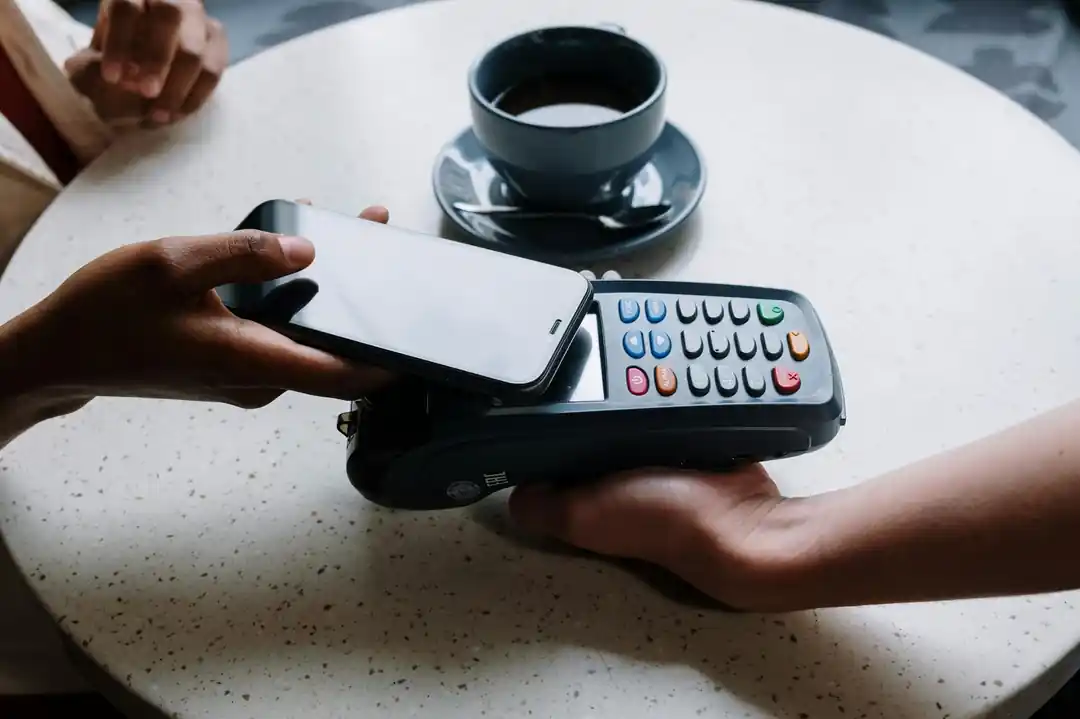
Furthermore, the "contactless" aspect has taken on a whole new level of importance. Tapping your phone at a terminal isn't just faster; it's a cleaner, more hygienic way to pay. But beyond that, these apps are also a force for financial inclusion. For individuals who may not have easy access to traditional banking services, a smartphone can become a lifeline. It provides a secure way to receive payments, pay bills, and participate in an increasingly digital economy, which is a powerful step toward leveling the financial playing field.
The Downsides: What We're Giving Up for Convenience
Of course, it's not all sunshine and instant transfers. The biggest and most talked-about concern is security. While these companies invest heavily in encryption and fraud protection, the reality is that where there's money, there will always be bad actors. Phishing scams, where you're tricked into sending money to a fraudulent account, are becoming increasingly sophisticated. And there's always the underlying risk of a data breach, which could expose your personal and financial information. It's a sobering thought that the convenience in your hand also represents a potential vulnerability.
Then there's the issue of privacy. What, exactly, are we signing away when we click "agree" on those lengthy terms of service? These apps often collect a vast amount of data on our spending habits, our locations, and even our social connections. This information is incredibly valuable, and it's often used for targeted advertising. It creates a strange paradox: the very tool that helps you manage your money is also a tool for companies to figure out how to get you to spend more of it. It’s a trade-off that many of us make without a second thought, but it's worth being aware of.
Finally, there are the practical, and sometimes frustrating, technical limitations. Your digital wallet is only as good as your phone's battery life and your internet connection. A dead phone or a spotty signal can leave you in a lurch, unable to pay for a meal or a ride home. And while adoption is widespread, it's not universal. You'll still occasionally run into a cash-only establishment or a situation where your preferred app isn't accepted. It’s a reminder that for all its futuristic appeal, the digital payment ecosystem still has its glitches and gaps.
Finding a Healthy Balance
So, should we all delete our payment apps and go back to carrying wads of cash? Probably not. The benefits are too significant to ignore. These apps have solved real-world problems and added a layer of ease to our lives that would be hard to give up. The key isn't to reject the technology, but to approach it with a mindful and informed perspective.
For me, that means being vigilant about security. I use two-factor authentication wherever possible, I'm skeptical of unexpected payment requests, and I never, ever click on suspicious links. It also means being more conscious of the data I'm sharing and reviewing my privacy settings periodically. And yes, I still carry a physical credit card and a bit of cash in my wallet, just in case.
Ultimately, digital payment apps are just that—tools. And like any tool, they can be used wisely or carelessly. They offer a glimpse into a future where financial transactions are seamless and integrated into our digital lives, but they also serve as a potent reminder to stay alert, protect our information, and never become too reliant on any single piece of technology.
Why Is My Tax Refund Taking So Long? Common Reasons for IRS Delays
The Unspoken Promise: Your Pet's Earthquake Plan in a High-Rise World

Related Posts
 BUSINESS
Rethinking Non-Profit Promotion: Creative Strategies That Actually Drive Event Impact
Discover modern, research-backed strategies for promoting non-profit fundraisers, from experiential marketing to hyper-local micro-influencers and cross-sector partnerships.
 BUSINESS
Is the TV Ad Dead? A Deep Dive into Cost and Effectiveness in 2024
In an age of streaming and scrolling, is a TV commercial still a smart bet for brands? We're breaking down the real costs and surprising effectiveness of television advertising today.

Popular Posts
Rethinking Non-Profit Promotion: Creative Strategies That Actually Drive Event Impact

Beyond Stark White: The Best Interior Paint Colors to Light Up Your New Space

The Simple Pre-Workout Fueling Strategy That Saved My Long Runs