Ever felt mesmerized by the effortless glide of ice dancers? It’s a world of grace and rhythm that’s more accessible than you think. Let's break down the foundational moves to get you started.
There’s a certain magic to ice dance that’s hard to put into words. It’s more than just skating; it’s a conversation set to music, a seamless blend of athleticism and artistry. I remember the first time I seriously watched a competition, I was completely captivated. The way the partners moved as one, their blades carving silent stories into the ice—it seemed like a secret language I desperately wanted to understand. For a long time, I just assumed it was a world reserved for those who started skating as toddlers.
But the pull was too strong to ignore. I started digging, reading, and watching videos, and a surprising truth began to emerge: the foundation of ice dance is built on a set of core, learnable skills. It’s not about attempting breathtaking lifts on your first day. It’s about mastering the quiet, elegant language of the blades. That realization was my open invitation, and it’s one I want to extend to you.
If you've ever found yourself daydreaming about gliding across the ice with purpose and grace, this is your starting point. We’re going to demystify the process and walk through the essential moves that form the bedrock of every ice dancer's career. Forget the pressure of performance; for now, it’s just about you, the ice, and the joy of learning to dance.
The Unseen Foundation: Posture and Edges
Before we even get into specific steps, we have to talk about the two pillars of ice dance: posture and edges. Honestly, you could spend months just on these and it would be time well spent. Good posture, or "carriage," is what creates that elegant, floating look. It’s about standing tall, with your shoulders pulled back and down, your core engaged, and your head held high. It feels unnatural at first, especially when your brain is screaming at you to hunch over and stare at your feet, but it’s the key to balance and control.
A recent article from a skating coach I read emphasized that a strong core is the epicenter of a skater's stability. It’s not just about looking poised; it’s about creating a solid trunk from which all your movements can originate. This allows your legs and feet to be more relaxed and responsive. A good off-ice exercise is to simply practice standing with your back against a wall, feeling your shoulders and hips align. It’s amazing how this simple awareness can translate to the ice.
Then come the edges. Your skate blade isn’t a flat knife; it has a hollow down the middle, creating an inside edge and an outside edge. Every single movement in skating is done on one of these two edges. Learning to feel the difference is a revelation. A great way to start is by skating simple "lemons" or swizzles, feeling the pressure shift from the inside edge of one foot to the inside edge of the other. From there, you can move to gliding on one foot in a straight line, then gently leaning to create a curve on an inside edge, and then (the trickier one) an outside edge. This is the true language of skating.
The Building Blocks: Basic Dance Moves
Once you have a basic feel for your edges, you can start stringing them together into simple dance movements. These are the words that will eventually form your sentences on the ice. Don't rush them; the goal is quality and control over speed. Each one teaches you something fundamental about balance, weight transfer, and flow.
1. Stroking and Gliding
This sounds simple, but proper stroking in an ice dance context is about power and grace. Unlike the choppy, short strokes you see in public sessions, dance stroking is about long, deep pushes that result in a sustained glide. The power comes from a deep knee bend and a full extension of your pushing leg. You should feel a powerful thrust from your inside edge, propelling you into a long, silent glide on the other foot. Practice gliding on one foot for as long as you can, maintaining your posture. This is the foundation of everything.
2. Progressives
Progressives, or "runs," are a sequence of forward strokes that are fundamental to many of the first pattern dances you'll learn. The key is to make them look and feel seamless, with no pause between steps. It’s a continuous flow of motion. As you push off one foot, the other foot is already moving into position for the next push. A helpful tip I found on a forum was to think of your feet as "kissing" as they pass each other, ensuring they stay close together and under your hips.
3. Chassés
A chassé is a simple "step-together-step" sequence that looks wonderfully light and dance-like. You push onto one foot, bring the free foot alongside it, and then immediately push onto the free foot. It’s a quick, rhythmic movement that teaches you fast footwork and control. The key is to keep the steps neat and tidy, without a wide base. It’s often used to gain speed or change direction smoothly within a dance pattern.
Introducing the Swing Roll
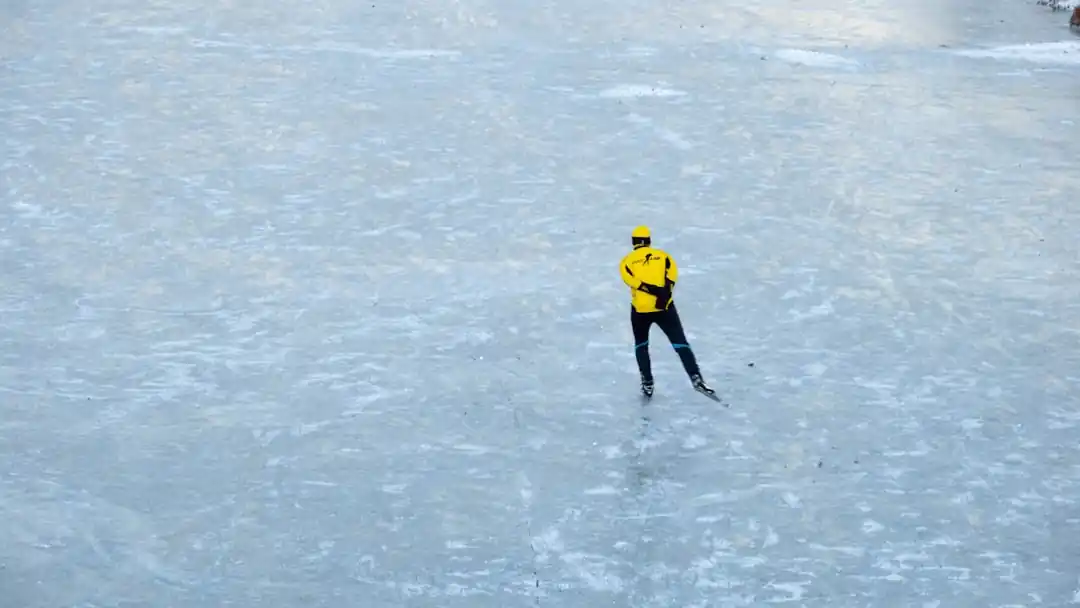
If there's one move that truly makes you feel like an ice dancer, it's the swing roll. This is where the artistry really begins to shine through. A swing roll is a forward or backward glide on a deep edge where the free leg swings through in a pendulum motion. The swing of the leg isn't just for show; it generates momentum and helps deepen the curve of the edge you're skating on.
The movement starts with a strong push onto a deep edge, say, a forward outside edge. As you glide, you keep a soft knee bend in your skating leg while your free leg swings forward, past the skating foot, and then back. The motion should be fluid and controlled, originating from your hip. It’s this beautiful, sweeping motion that creates the classic, lyrical look of ice dance.
Practicing swing rolls helps develop your balance over the blade and your ability to hold an edge for an extended period. At first, it might feel like you’re going to lose your balance as your leg swings, but with practice, you learn to use the swing as a counterbalance. It’s a challenging but incredibly rewarding move to master, and it’s a cornerstone of countless dance patterns.
Putting It All Together: Your First Dance
So you’ve practiced your strokes, your progressives, and your swing rolls. Now what? It's time to put them together in your very first pattern dance. The preliminary dances, like the Dutch Waltz or the Canasta Tango, are designed specifically for this. They combine these basic elements into a set sequence that you skate around the rink.
Learning these patterns is an incredible feeling. It’s the moment when the individual moves you’ve been practicing suddenly click into place and become a real dance. You’ll learn about timing, musicality, and, if you have a partner, the basics of leading and following. Don’t worry about perfection; just focus on the sequence and the rhythm.
The beauty of ice dance is that it’s a journey of constant progression. Each skill builds on the last, opening up new possibilities. The moves you learn as a beginner are the same ones that champions use, just refined and perfected over thousands of hours. So be patient with yourself, celebrate the small victories, and most importantly, enjoy the feeling of gliding to the music. That, right there, is the heart of ice dance.
That Frozen Lake Looks Tempting, But Is It Safe? Here's How to Check
Your Game Plan: How to Budget for a World Cup Trip Without Breaking the Bank

Related Posts
 HOBBIES
The Beginner's Guide to Reading the Night Sky: How to Spot Your First Constellations
A friendly, grounded guide to navigating the night sky, understanding stellar movements, and spotting iconic constellations without expensive gear.
 PETS
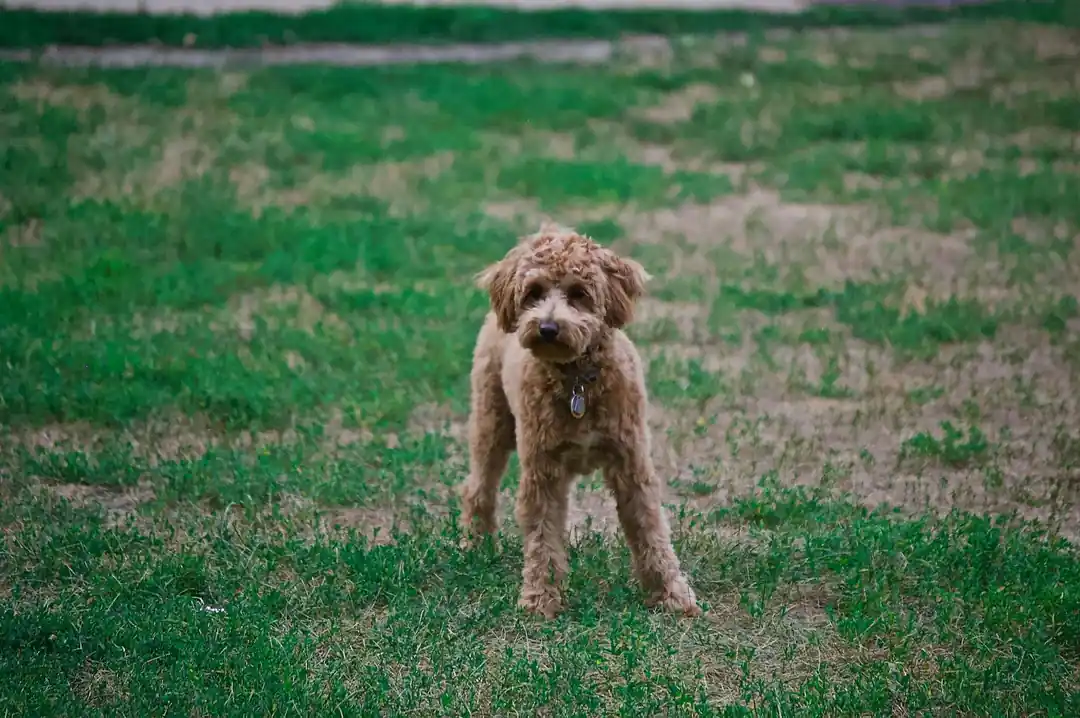
PETSSniffle-Free Snuggles: America's Most-Loved Hypoallergenic Dogs
Dreaming of a furry friend but dreading the sneezes? You're not alone. Let's dive into the wonderful world of popular hypoallergenic dog breeds in the US.
Popular Posts

Rethinking Non-Profit Promotion: Creative Strategies That Actually Drive Event Impact

Beyond Stark White: The Best Interior Paint Colors to Light Up Your New Space

How to Actually Master a New Language on Your Own (No Magic Gene Required)
