The Ultimate Davos Ski Trip Packing Guide: From Slopes to Fireside Chic
Heading to the Swiss Alps? I'm breaking down exactly what to pack for a ski trip to Davos, ensuring you're warm, stylish, and ready for every adventure.
There’s a certain magic to planning a ski trip, isn’t there? The daydreams of carving down pristine, sun-drenched slopes, the satisfying click of ski boots on pavement, and the promise of a hot chocolate (or something a little stronger) by a crackling fire. Davos, Switzerland, is the kind of place that fuels those daydreams. It’s a legendary destination, blending world-class skiing with a sophisticated, almost old-world charm. But let’s be honest for a second. Between the excitement and the anticipation, there’s often a quiet little hum of anxiety: “What on earth do I pack?”
I’ve been there. My first major ski trip involved a suitcase that was somehow both overstuffed and completely lacking the right things. I was cold, a little uncomfortable, and my outfits felt… off. I learned quickly that packing for a destination like Davos isn't just about throwing in your warmest sweaters. It’s a strategic art form that balances high-performance gear for the mountain with a completely different kind of style for the moments in between.
This isn't just a list; it's a guide born from my own trial and error. It’s about making sure you feel not just warm and prepared, but also confident and completely present for every single moment of your alpine adventure. Because when you’re packed correctly, you’re free to simply enjoy the crisp mountain air and the breathtaking beauty of the Swiss Alps.
On-Piste Perfection: The Art of the Layer
The single most important concept for mountain comfort is layering. I know, I know, every ski guide says it, but its importance cannot be overstated. The weather in the Alps can change in the blink of an eye, and a proper layering system is your personal climate control. It’s not about bulk; it’s about science. The goal is to trap your body heat while wicking away any sweat, because moisture is the enemy of warmth.
Your first and most critical layer is the base layer. This is what sits right against your skin, and its only job is to pull moisture away from your body. Look for materials like merino wool or high-quality synthetics. Please, I beg you, avoid cotton. Cotton absorbs sweat and will leave you feeling damp and chilled to the bone. I usually pack two to three sets of long-sleeved tops and bottoms for a week-long trip. It feels like a luxury to start each day with a fresh, dry base layer.
Next comes the mid-layer, which is your primary insulator. This is where you can really customize for the day’s conditions. A fleece jacket, a lightweight down vest, or a technical wool sweater are all fantastic options. This layer traps the warm air your body generates. On colder days, I might wear a thin fleece and an insulated vest. If the sun is out and I’m working hard, I can easily shed one. It’s this adaptability that makes the system so effective.
Finally, you have your outer layer, or your shell. This consists of your ski jacket and pants, and they are your shield against wind, snow, and the occasional wipeout. Look for gear that is both waterproof and breathable. A rating of at least 10,000mm for waterproofing is a good benchmark. Breathability is just as crucial, as it allows that moisture your base layer wicked away to escape completely. Features like a powder skirt (to keep snow from going up your back) and pit zips (for ventilation) are absolute game-changers.
Beyond the Slopes: Mastering Après-Ski Style
Once the lifts close and the skis are racked, a different part of Davos comes to life. The term "après-ski" literally means "after ski," and it’s a cherished ritual. It can be anything from a casual beer at a mountainside hut to a sophisticated cocktail at a chic hotel bar. While some resorts have a very casual vibe, Davos leans towards understated elegance. You don’t need a ball gown, but you’ll want to look put-together.
The first step in this transformation is liberating your feet. After a day in rigid ski boots, slipping into something comfortable is pure bliss. A pair of insulated, waterproof winter boots with excellent grip is non-negotiable for navigating snowy and icy village streets. Think Sorel, Blundstone, or a similar sturdy-yet-stylish brand. This is not the place for fashion sneakers or heels.
For clothing, think "cozy chic." A great pair of dark-wash jeans or even stylish wool trousers can be a perfect base. Pair them with a beautiful cashmere or merino wool sweater. I love packing a few high-quality knits in neutral colors that can be easily mixed and matched. A stylish, warm coat is the centerpiece of your evening look. This could be a long wool overcoat, a chic puffer, or even a faux-fur jacket to add a touch of glamour.
Don’t forget the accessories. A soft beanie, a beautiful scarf, and a pair of leather gloves can complete an outfit while providing essential warmth for a stroll through the village. The key is to look effortless. You’re not trying too hard; you’re just naturally stylish, comfortable, and ready to unwind after a fantastic day on the mountain.
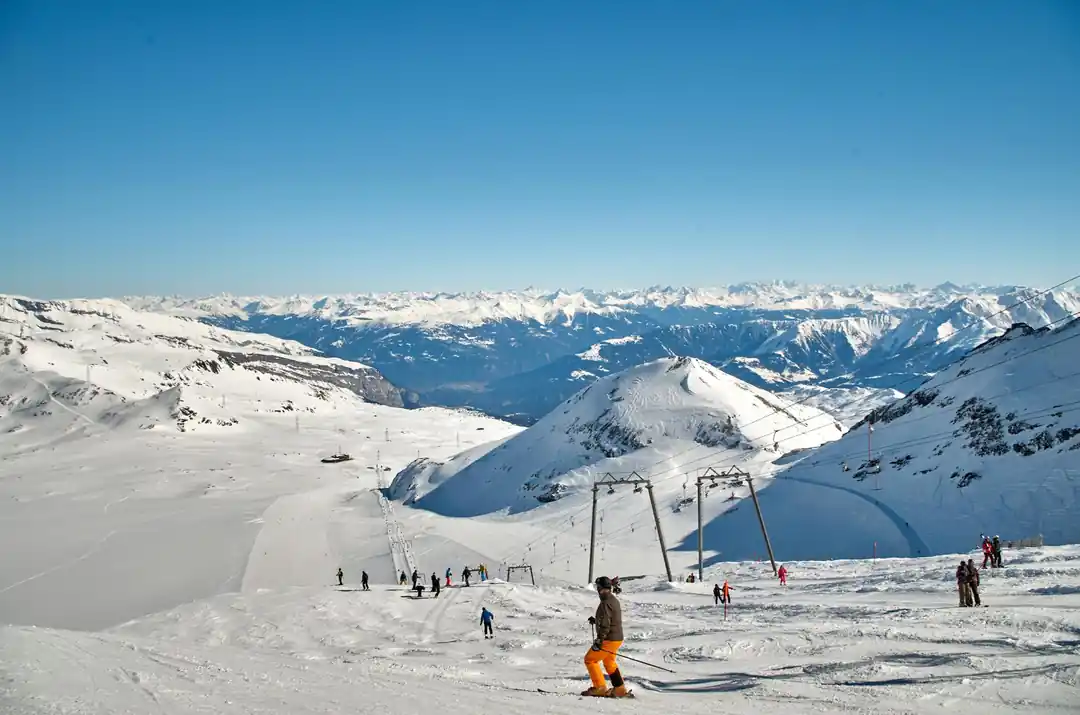
The Little Things That Make a Big Difference
You’ve got your on-slope and off-slope wardrobes sorted. Now for the small, often-forgotten items that can truly make or break your comfort and convenience. These are the things I’ve learned to never leave behind, often the hard way.
First, sun protection is absolutely critical. The sun at high altitudes is incredibly powerful, and when it reflects off the snow, you’re getting a double dose of UV rays. A high-SPF sunscreen for your face is a must, applied every single morning. Equally important is a lip balm with SPF protection. Sunburned, chapped lips are painful and entirely avoidable. I keep one in my jacket pocket at all times.
Next, think about electronics. Cold weather drains batteries at an alarming rate. A portable power bank is a lifesaver for keeping your phone charged for photos on the mountain or for navigating the village later. And remember, Switzerland uses a different plug type (Type J) than the US or the rest of Europe. A universal travel adapter is essential for charging your devices in your hotel room.
Finally, a few personal comfort items. Pack a good, rich moisturizer for your face and hands, as the cold, dry air can be harsh on your skin. A small first-aid kit with basics like pain relievers, blister plasters, and antiseptic wipes is always a good idea. And don't forget your swimsuit! Many hotels in Davos have incredible wellness areas with pools, saunas, and hot tubs—the absolute best way to soothe sore muscles after a long day of skiing.
Packing for a trip to Davos is the first step of the adventure. It’s an act of preparation that allows you to fully immerse yourself in the experience without worrying about being cold, uncomfortable, or unprepared. So pack thoughtfully, and then forget about it. Let the grandeur of the Alps take over. I wish you fresh powder, blue skies, and memories to last a lifetime.
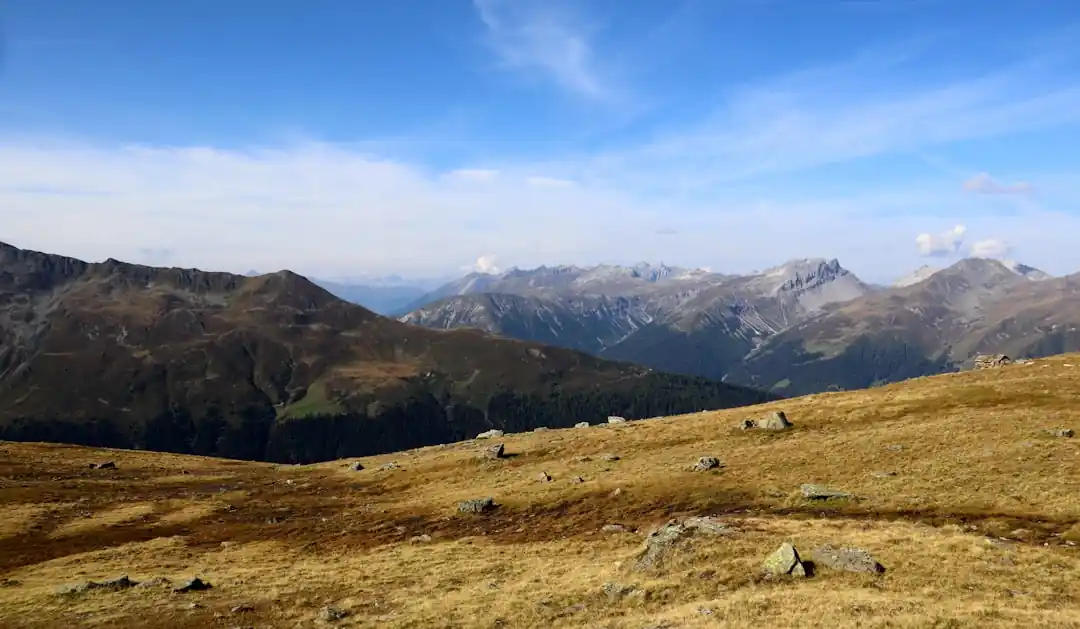
Davos on a Dime: How to Visit the Swiss Alps Without Breaking the Bank
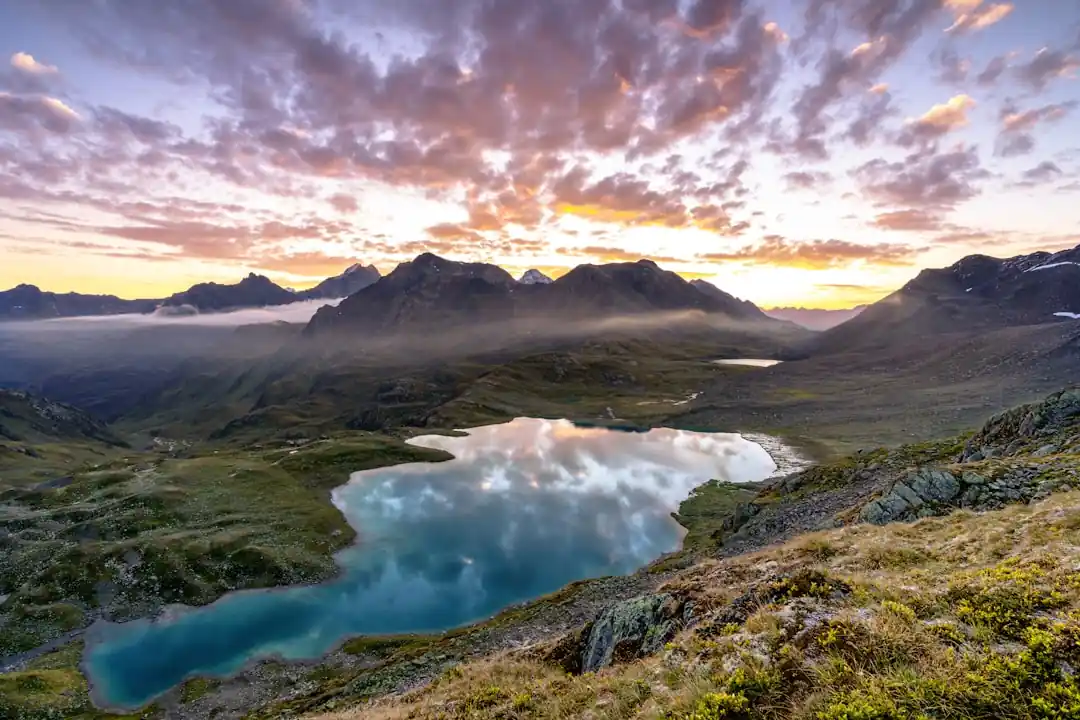
Beyond the Forum: Discovering the Soul of Davos, Switzerland
Related Posts
 TRANSPORT
Beyond the Highway: Finding Canada's Soul on a Western Rail Adventure
Forget road trips. I'm talking about rediscovering the romance of travel on Via Rail's most scenic routes through the heart of the Canadian West. It’s an experience that changes you.
 TRAVEL TIPS
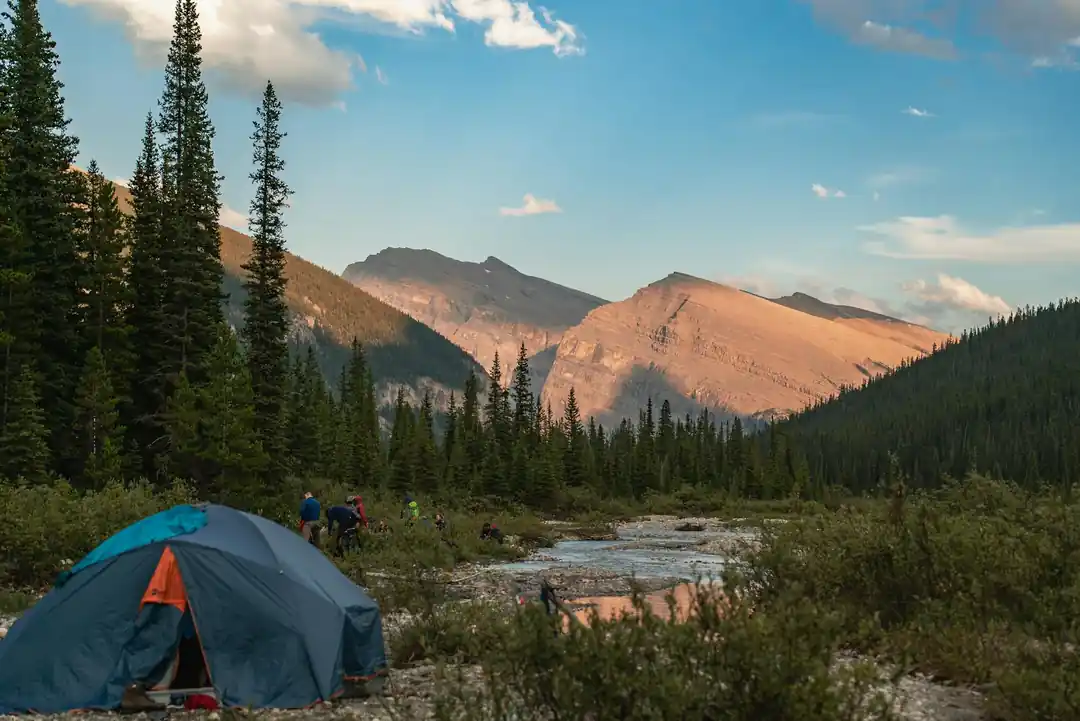
The Unwritten Rules of the North: What to Know Before Camping in Canada
Heading to the Great White North for a camping trip? It's an amazing idea. But from campfire etiquette to wildlife wisdom, here’s what you need to know before you go.

Popular Posts

Rethinking Non-Profit Promotion: Creative Strategies That Actually Drive Event Impact

Beyond Stark White: The Best Interior Paint Colors to Light Up Your New Space

How to Actually Master a New Language on Your Own (No Magic Gene Required)
