Ever wonder how to keep those delicious bagels from turning into hockey pucks overnight? I've got the tried-and-true methods to keep them wonderfully fresh.
There’s a certain kind of magic in a truly fresh bagel. That perfect, glorious chew, the slightly crisp exterior giving way to a soft, dense interior... it’s one of life’s simple, profound pleasures. I have a vivid memory of weekend mornings as a kid, the scent of toasted everything bagels filling our tiny kitchen. But there's also a familiar sadness, isn't there? The tragedy of bringing home a dozen of these beauties, only to find them hard and disappointing the very next day.
For years, I just accepted this as the bagel's fleeting nature. A beautiful, delicious, but ultimately temporary joy. I’d either force myself to eat them too quickly or sadly toss the ones that had turned into hockey pucks. But after one too many breakfasts were ruined by a stale bagel, I decided there had to be a better way. I went on a deep dive, and honestly, what I learned has completely changed my relationship with bagels for the better.
It turns out, keeping a bagel fresh isn't some mythical secret known only to bakers. It’s a science, and a surprisingly simple one at that. It just requires understanding what a bagel needs—and more importantly, what it doesn't need.
The 48-Hour Rule: Countertop & Paper Bags
Let's start with the most common scenario: you've bought bagels you plan to eat within a day or two. My past self would have immediately thrown them in a plastic bag, thinking I was locking in the freshness. This is, as I now know, a critical error. Trapping a fresh bagel in plastic seals in moisture, which sounds good in theory, but in reality, it softens the crust and makes the whole thing a bit... steamy and sad.
The best method for short-term storage is beautifully simple: a paper bag. There’s a reason most good bakeries send you home with your bagels in paper. It allows the bagels to breathe just enough. Air can circulate, which prevents the crust from getting soggy, but it’s enclosed enough to keep the bagel from drying out too quickly. Just leave the paper bag on your kitchen counter, away from direct sunlight.
I’ve found that this method preserves that perfect textural contrast that makes a bagel so special. The crust stays pleasantly firm, and the inside remains soft and chewy. It’s the ideal way to ensure that tomorrow morning’s bagel is nearly as good as the one you had today. No more compromising.
The Long Haul: Your Freezer is Your Best Friend
Now, for the real game-changer. If you're a true bagel lover who buys in bulk or lives tragically far from a decent bagel shop, the freezer is your sanctuary. I was skeptical at first, worried they’d come out icy and bland. I was so wrong. When done correctly, freezing is like hitting a pause button, locking in that fresh-from-the-bakery quality for months.
Here is the most important tip I can possibly give you: slice your bagels before you freeze them. Please, I am begging you. Trying to cut a frozen bagel is a dangerous, frustrating endeavor that risks both your fingers and the integrity of the bagel. Slicing them beforehand means you can pop a frozen half directly into the toaster. It’s a simple step that makes your future self so, so happy.
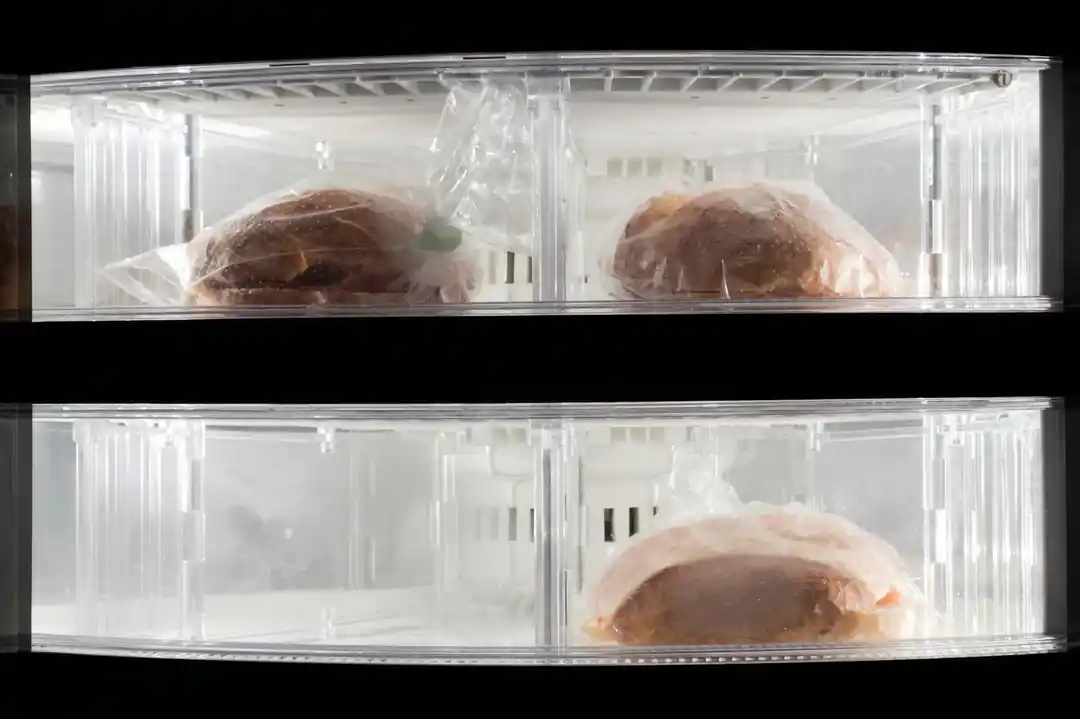
Once sliced, the goal is to protect them from freezer burn. The best way I've found is to wrap each bagel half individually and tightly in plastic wrap. Then, place all your wrapped halves into a large, zip-top freezer bag. Squeeze out as much air as you can before sealing it. This double-barrier method is your ultimate defense. When you’re ready for a taste of perfection, just unwrap a half and toast it. No thawing required. It will emerge warm, chewy, and shockingly close to the day it was baked.
The One Place a Bagel Should Never Go
If you remember only one thing from this, let it be this: do not store bagels in the refrigerator. It feels like it should work, right? We refrigerate almost everything else to keep it fresh. But putting a bagel in the fridge is actually the fastest way to ruin it. The cold, dry air of the refrigerator accelerates the staling process at an alarming rate.
The science behind this is a process called "starch retrogradation," where the starch molecules in the bagel recrystallize and push out moisture, making it hard and dry far more quickly than at room temperature. A study I read mentioned it can make bread go stale more than three times faster. The fridge is the enemy of good texture. It will make your bagels tough, dry, and sad.
So, let your bagels live on the counter for a day or two, or send them on a long, peaceful vacation in your freezer. Just promise me you'll keep them out of the fridge. Your breakfast will thank you. With these little bits of knowledge, the days of the disappointing, rock-hard bagel can finally be behind us, leaving only the promise of a perfect bite.

Beyond the Sauce: Why Bologna is Italy's True Historical Hidden Gem
The Chew is the Thing: A Guide to Boiling and Baking Perfect Bagels

Related Posts
 COOKING TIPS
Is Your Kitchen Safe? The Best Way to Check for Food Recalls at Home
That feeling of uncertainty when you hear about a food recall is all too common. Let's walk through the simple, effective ways to stay informed and keep your family safe.
 RECIPES
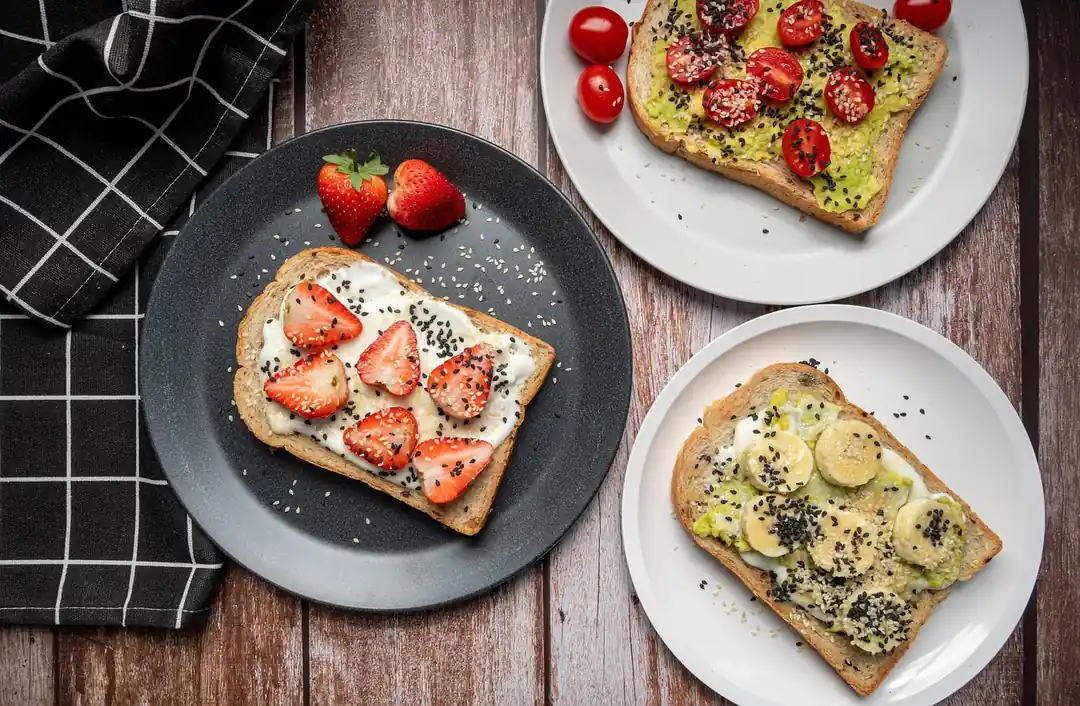
Beyond Peanut Butter: 7 Healthy & Delicious Sandwich Spreads You'll Love
Tired of the same old PB&J? Let's explore some incredible, nutrient-packed alternatives to peanut butter that will completely revitalize your lunch routine.

Popular Posts

Beyond Stark White: The Best Interior Paint Colors to Light Up Your New Space

How to Actually Master a New Language on Your Own (No Magic Gene Required)

The Simple Pre-Workout Fueling Strategy That Saved My Long Runs