Dreaming of hitting the open road in Canada? Renting a car is your ticket to freedom, but there are a few things you need to know before you cross the border. Let's get you ready for the adventure.
There’s a certain magic to the idea of a road trip, isn’t there? The freedom of an open schedule, the promise of unexpected discoveries, and a playlist that feels like the soundtrack to your life. For those of us in the United States, the call of the Great White North is strong. Canada’s vast, wild landscapes, from the jagged peaks of the Rockies to the charming coastal villages of the Maritimes, are the stuff of road trip dreams. But turning that dream into a reality involves one crucial step: securing the right rental car.
Honestly, the logistics can feel a little daunting at first. I remember planning my first drive up to Banff and feeling a wave of questions. Can I even take a US rental car across the border? What’s the deal with insurance? Is my driver's license enough? It’s easy to get tangled in the "what-ifs." The good news is that it's not only possible but also surprisingly straightforward once you know the key steps.
Think of this as your friendly guide, the conversation we’d have over coffee while mapping out your adventure. We’ll walk through everything from the paperwork you’ll need to the unwritten rules of the Canadian road. Because a little preparation is all it takes to ensure your journey is smooth, memorable, and focused on the incredible views outside your window.
The Pre-Trip Paperwork Trail
Before you even start browsing for the perfect SUV or convertible, let's talk about the essentials. Getting your documents in order is the least glamorous part of the trip, but it's the foundation for a stress-free border crossing and a legally sound adventure. Don’t skip this part; your future self will thank you.
First, and most importantly, you must notify your rental car company that you plan to drive into Canada. This is non-negotiable. Most major rental agencies (like Hertz, Avis, Enterprise, and Budget) allow their vehicles to be driven across the border, but it needs to be documented in your rental agreement. When you book, or at the very latest when you pick up the car, be explicit about your plans. Some locations might have restrictions on certain vehicle types, and failing to get authorization can void your contract and insurance.
Next up is insurance. This is where a lot of people get stuck, but it’s simpler than it seems. Your US auto insurance policy will most likely cover you in Canada, thanks to reciprocal agreements between the two countries. However, you need to confirm this. Make a quick call to your insurance provider and ask them directly about driving a rental car in Canada. They can provide you with a "Canadian Non-Resident Inter-Province Motor Vehicle Liability Insurance Card," which is official proof of coverage that Canadian authorities recognize. While your standard US insurance card often works, having this specific Canadian version can make any potential interaction with law enforcement much smoother.
Finally, make sure your personal documents are ready. You’ll need a valid US passport or a WHTI-compliant travel document (like a Passport Card or Enhanced Driver's License) to enter Canada and re-enter the US. And, of course, your valid US driver's license is a must. An International Driving Permit (IDP) isn't required for US citizens, but it can be a helpful piece of backup documentation.
Choosing Your Ride and Hitting the Road
With the paperwork sorted, the fun part begins: picking your vehicle. The right car can make or break a road trip. Are you planning to tackle the Icefields Parkway in the winter? An SUV with all-wheel drive is probably your best bet. Sticking to city-hopping between Toronto and Montreal in the summer? A comfortable sedan will do just fine. Think about your route, the season, and how much gear you’re bringing.
One common question is whether it’s better to rent in the US and drive across, or fly into Canada and rent there. Renting in the US can be more convenient if you live close to the border and want to start your road trip from home. However, be aware that one-way rentals from a US location to a Canadian one are often prohibitively expensive, if they are allowed at all. A round trip is almost always the more economical choice.
Once you’re on the road in Canada, you’ll notice a few key differences. The most obvious is the metric system. Speed limits are in kilometers per hour (km/h), and gas is sold by the liter. A good rule of thumb is that 100 km/h is about 62 mph. Your car’s speedometer likely has a smaller km/h display, but it’s worth paying close attention to avoid an accidental speeding ticket. Also, remember that a liter is much smaller than a gallon (there are about 3.78 liters in a gallon), so gas prices will look different at first glance.
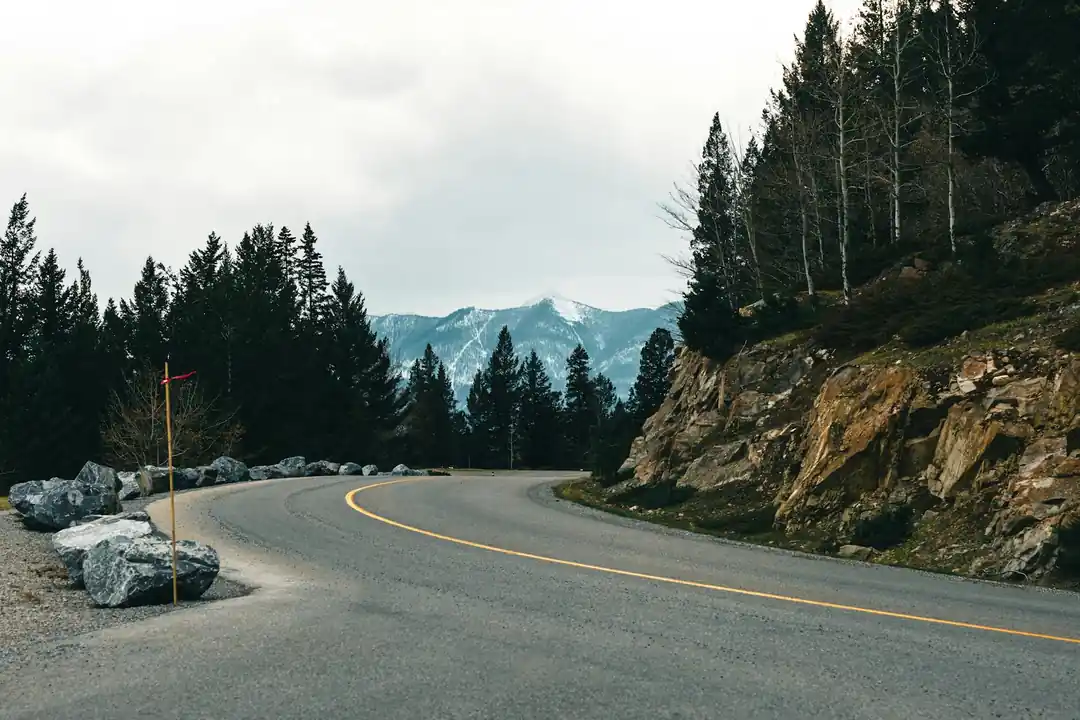
Navigating Canadian Driving Culture
Beyond the signs and speed limits, there are a few cultural nuances to driving in Canada that are helpful to know. Canadians are generally very polite and rule-abiding drivers. Road rage is far less common, and you’ll find that people are more patient and courteous on the whole.
One major rule to be aware of is turning right on a red light. It’s permitted in most of Canada, just like in the US, but there's a huge exception: the island of Montreal. In Montreal, a right turn on red is strictly forbidden unless a sign specifically permits it. Also, be extra vigilant about pedestrian crosswalks. When a pedestrian is waiting to cross, you are expected to stop and let them pass. This is taken very seriously, and the enforcement is strict.
Another thing to keep in mind is wildlife. In many parts of Canada, especially in national parks like Banff and Jasper or in more remote areas, encounters with animals on the road are common. Be especially cautious at dawn and dusk, when animals are most active. Seeing a moose or a bear from the safety of your car is an incredible experience, but hitting one is dangerous for everyone involved. Drive at a reasonable speed and stay alert.
Finally, a word on language. In Quebec, all road signs are in French. While many symbols are universal, it’s not a bad idea to familiarize yourself with a few key terms like Arrêt (Stop), Sortie (Exit), and Ralentir (Slow Down). In other parts of the country, you’ll find bilingual signs, especially in federal areas like national parks. It’s all part of the unique fabric of the country.
Driving in Canada is a true joy. The roads are well-maintained, the scenery is second to none, and the journey itself becomes a core part of the adventure. With a little bit of planning, you can leave the logistical worries behind and fully immerse yourself in the experience. The open road is calling.
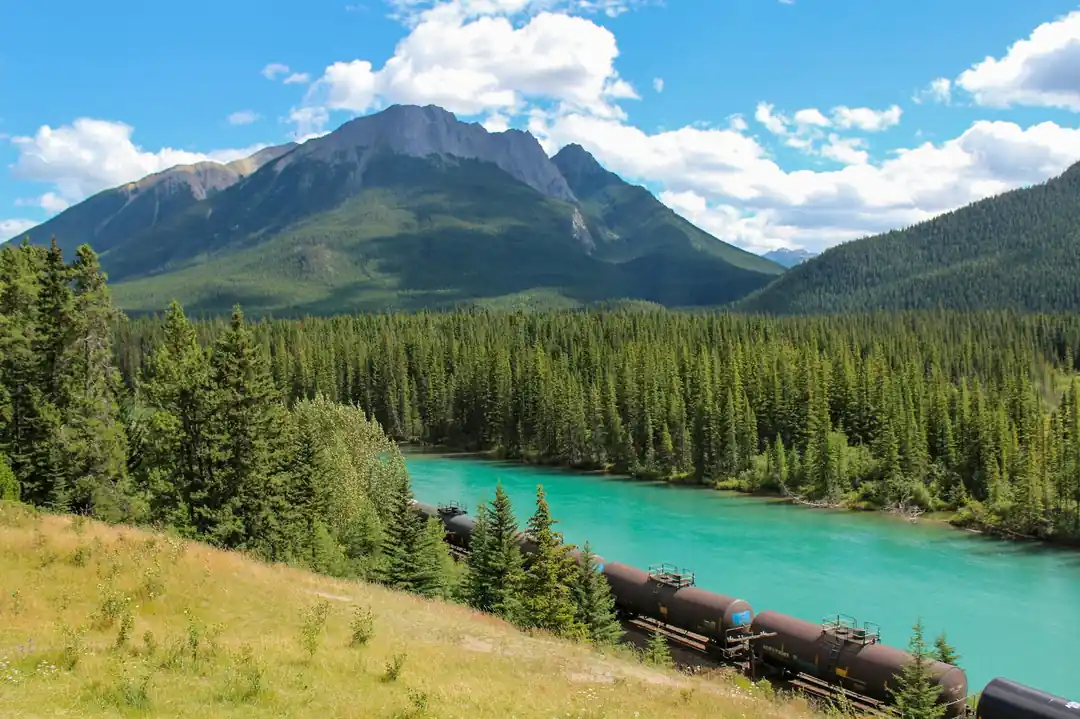
Beyond the Highway: Why Your Next Trip North Should Be on Canada's Most Scenic Train Routes
Don't Just Survive a Canadian Winter, Embrace It: A Local's Packing Guide
Related Posts
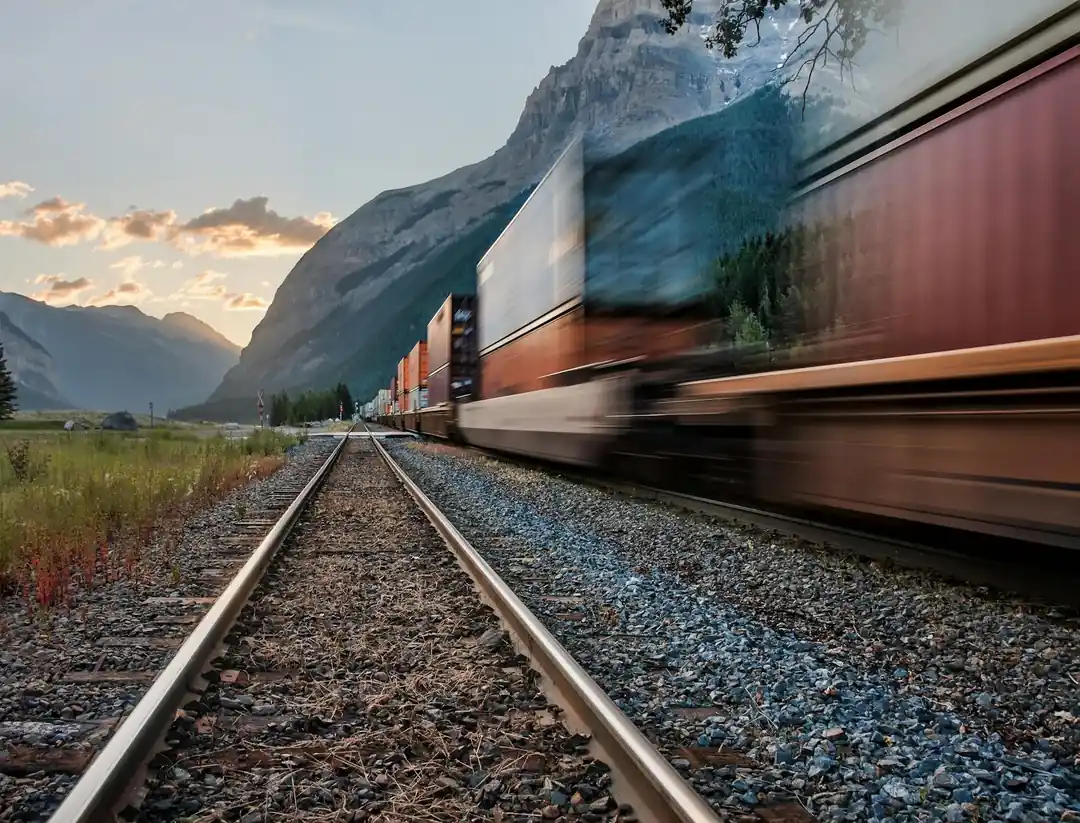 TRANSPORT
Beyond the Highway: Finding Canada's Soul on a Western Rail Adventure
Forget road trips. I'm talking about rediscovering the romance of travel on Via Rail's most scenic routes through the heart of the Canadian West. It’s an experience that changes you.
 TRAVEL TIPS
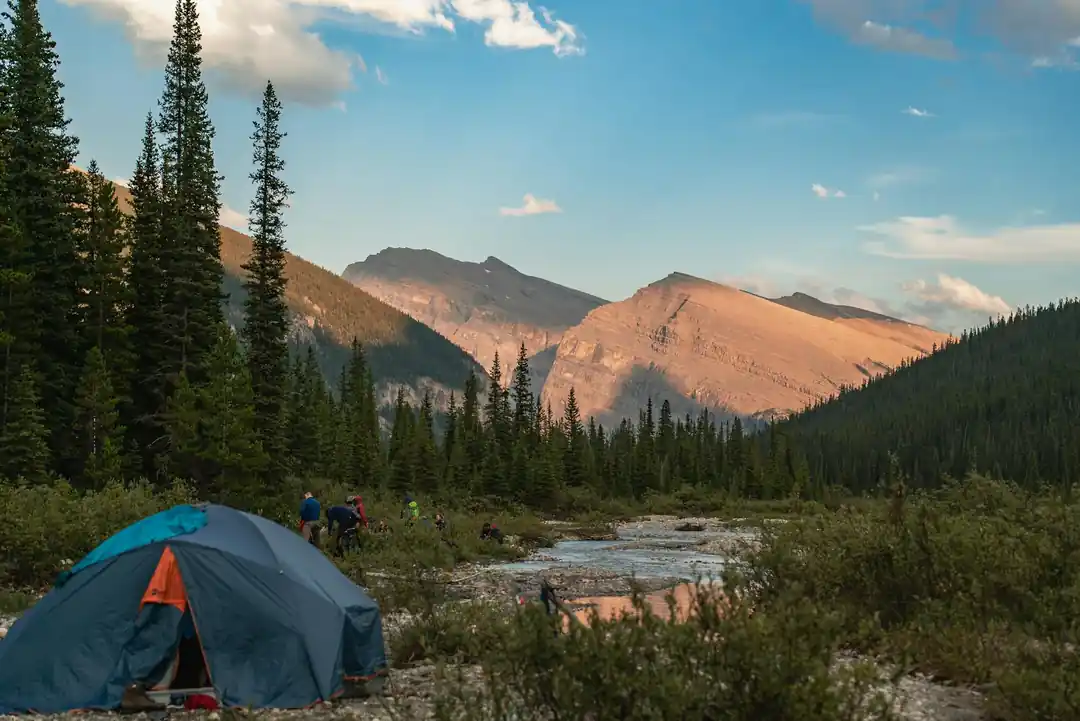
The Unwritten Rules of the North: What to Know Before Camping in Canada
Heading to the Great White North for a camping trip? It's an amazing idea. But from campfire etiquette to wildlife wisdom, here’s what you need to know before you go.
Popular Posts

Rethinking Non-Profit Promotion: Creative Strategies That Actually Drive Event Impact

Beyond Stark White: The Best Interior Paint Colors to Light Up Your New Space

How to Actually Master a New Language on Your Own (No Magic Gene Required)
