Ever wondered how long a giant anaconda actually lives? The answer is fascinatingly complex, revealing a stark difference between a life in the wild and one in human care.
There’s a certain mystique to the giant anaconda, isn’t there? It’s a creature wrapped in legends, a titan of the Amazon that commands both respect and a healthy dose of fear. I’ve always been captivated by them, not just for their incredible size, but for the life they must lead. Recently, I fell down a rabbit hole of research, trying to answer what seemed like a simple question: how long do they live? What I discovered was a tale of two completely different lives, a story of survival that changes dramatically depending on where the snake calls home.
The truth is, the lifespan of an anaconda is a stark illustration of the phrase "wild versus mild." A life spent navigating the treacherous, beautiful chaos of the South American rainforests is brutally short and intense. In contrast, a life within the protective walls of a zoo or conservation center can be a surprisingly long and peaceful journey. It really makes you think about what it means to thrive, and how safety and struggle shape the existence of one of the planet's most formidable predators.
The Wild Decade: A Life of Constant Peril
In the lush, unforgiving wilderness of the Amazon basin, a giant anaconda's life is often a sprint, not a marathon. The average lifespan out here is only about 10 years. When I first read that number, I was genuinely taken aback. For an apex predator of its stature, a single decade feels surprisingly brief. But when you start to peel back the layers of its existence, it begins to make a lot of sense. The wild is, well, wild.
From the moment they are born, anacondas are in a fight for survival. They don't hatch from eggs but are born live in large litters, and many of these young snakes won't survive their first year. They face threats from predators like jaguars and caimans, who see a juvenile anaconda as a potential meal. Even for the adults, life is a relentless series of challenges. Hunting requires an immense expenditure of energy, and taking down large prey like capybaras or deer can result in serious injury.
Furthermore, the environment itself is a constant adversary. Anacondas are deeply connected to the waterways, and they are vulnerable to droughts, floods, and diseases that can sweep through their habitat. Every day is a high-stakes gamble. This constant pressure, this unending fight for resources and survival, takes its toll. A 10-year lifespan in this context isn't a sign of weakness, but a testament to their incredible resilience in a world of constant danger.
The Captive Comfort: Tripling the Years
Now, let's shift our perspective to an anaconda living in a modern zoo or a dedicated reptile conservation center. In this carefully controlled environment, the story changes completely. Here, a giant anaconda can live for an impressive 20 to 30 years, and sometimes even longer. That’s a threefold increase over their wild counterparts, a truly staggering difference that underscores the impact of their environment.
So, what’s the secret to their longevity in captivity? It’s a combination of factors that eliminate the daily dangers of the wild. First and foremost, they are safe from predators. They receive a steady, nutritious diet without the risk and energy expenditure of hunting. If they get sick or injured, they have access to specialized veterinary care that can treat conditions that would be a death sentence in the Amazon. The habitat is controlled for temperature and humidity, providing a stable and stress-free home.
This extended lifespan does more than just give the individual animal more years; it provides an invaluable window for science and conservation. By studying these animals over decades, researchers can gather crucial data on their growth, reproductive biology, and behavior. This knowledge is vital for developing effective strategies to protect their wild populations, which face growing threats from habitat loss. It’s a fascinating cycle where the safety of a few helps to inform the survival of the many.
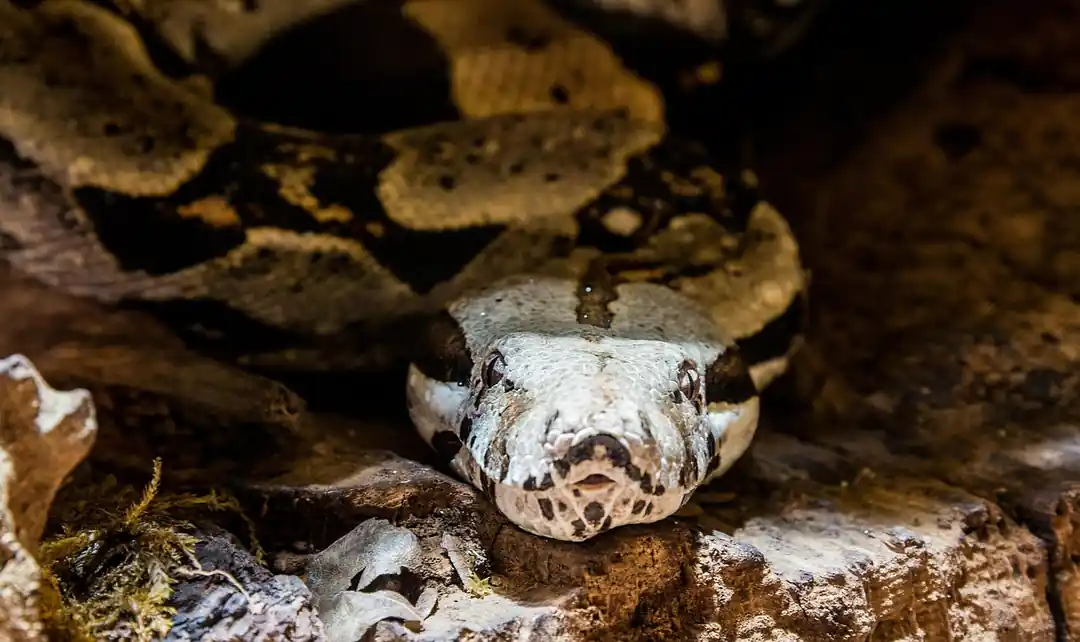
A Tale of Two Lifetimes
Thinking about the two divergent paths an anaconda's life can take is a powerful exercise. It’s easy to romanticize the wild, to see it as the ultimate and only "true" way for an animal to live. And in many ways, it is. The wild anaconda is a perfectly honed survival machine, an integral part of a complex and ancient ecosystem. Its shorter, more intense life is a thread in a much larger tapestry of life and death that keeps the rainforest vibrant.
The life of a captive anaconda, however, offers a different kind of value. It is a life of peace and longevity, free from the constant struggle to survive. While it may lack the raw freedom of the Amazon, it contributes to our understanding and, ultimately, our ability to protect these magnificent creatures. There isn't a simple "better" or "worse" here; there are just two very different kinds of existence, each with its own purpose and meaning.
In the end, whether they live for a decade in a rushing river or thirty years in a quiet enclosure, the giant anaconda remains a symbol of nature's power and resilience. Their story encourages us to look deeper, to appreciate the complexities of the natural world, and to consider the profound responsibility we have as stewards of this planet and all its incredible inhabitants.

A Beginner's Guide to Herpetology: Welcoming a Scaly Friend into Your Home
Legal Funding: The High-Stakes World of Lawsuit Investing

Related Posts
 HOBBIES
The Beginner's Guide to Reading the Night Sky: How to Spot Your First Constellations
A friendly, grounded guide to navigating the night sky, understanding stellar movements, and spotting iconic constellations without expensive gear.
 PETS
PETSSniffle-Free Snuggles: America's Most-Loved Hypoallergenic Dogs
Dreaming of a furry friend but dreading the sneezes? You're not alone. Let's dive into the wonderful world of popular hypoallergenic dog breeds in the US.

Popular Posts

Rethinking Non-Profit Promotion: Creative Strategies That Actually Drive Event Impact

Beyond Stark White: The Best Interior Paint Colors to Light Up Your New Space

How to Actually Master a New Language on Your Own (No Magic Gene Required)
