When the world turns white, getting around feels impossible. But is public transportation still a reliable option? Let's dive into how cities keep moving and how you can navigate the system safely.
There’s a certain quiet that falls over a city during a heavy snowstorm. The usual hum of traffic fades, replaced by the soft crunch of boots on fresh powder and the distant scrape of a snowplow. It’s beautiful, but for anyone who needs to get somewhere, that beauty is quickly overshadowed by a wave of anxiety. Your car might be buried, the roads treacherous. So, you pull back the curtain, look at the white world outside, and wonder: Is the bus even running today?
Honestly, I’ve been there more times than I can count. I used to assume that a severe winter storm meant everything just stopped. It felt like the city was holding its breath, waiting for the thaw. But over the years, I’ve learned that behind the scenes, a massive, coordinated effort is underway to keep the arteries of public transportation flowing. It’s a complex battle against the elements, fought by people and machines we rarely see, all to ensure that essential workers can get to their jobs and the rest of us aren’t left completely stranded.
It turns out that relying on public transit in the winter isn’t a hopeless cause. In fact, it’s often the smartest and safest choice you can make. But navigating it successfully requires a bit of knowledge and preparation. It’s about understanding the challenges the system faces and knowing how to adapt your own plans to meet them.
The Unseen Battle: How Transit Agencies Fight the Freeze
Long before the first snowflake is even in the forecast, transit agencies across the US are already in winter-warrior mode. This isn’t a scramble that happens mid-blizzard; it’s a year-round preparation strategy. I recently read that major authorities like Chicago's CTA and New York's MTA have detailed winterization plans that they begin implementing in the fall. They inspect every piece of equipment, from the heaters on the buses to the switch heaters on the train tracks, ensuring everything is ready for the fight ahead.
For the rail systems, the challenges are unique. It’s not just about the snow on the tracks. Ice is the real enemy, especially for systems that use an electrified third rail. A layer of ice can completely cut off the power supply to the trains. To combat this, agencies deploy a fleet of specialized vehicles. Some trains are outfitted with "sleet scrapers" to physically break ice off the third rail, while others spray a de-icing fluid to prevent it from forming in the first place. In truly heavy snow, they’ll run "ghost trains" through the night on unused tracks just to keep them clear.
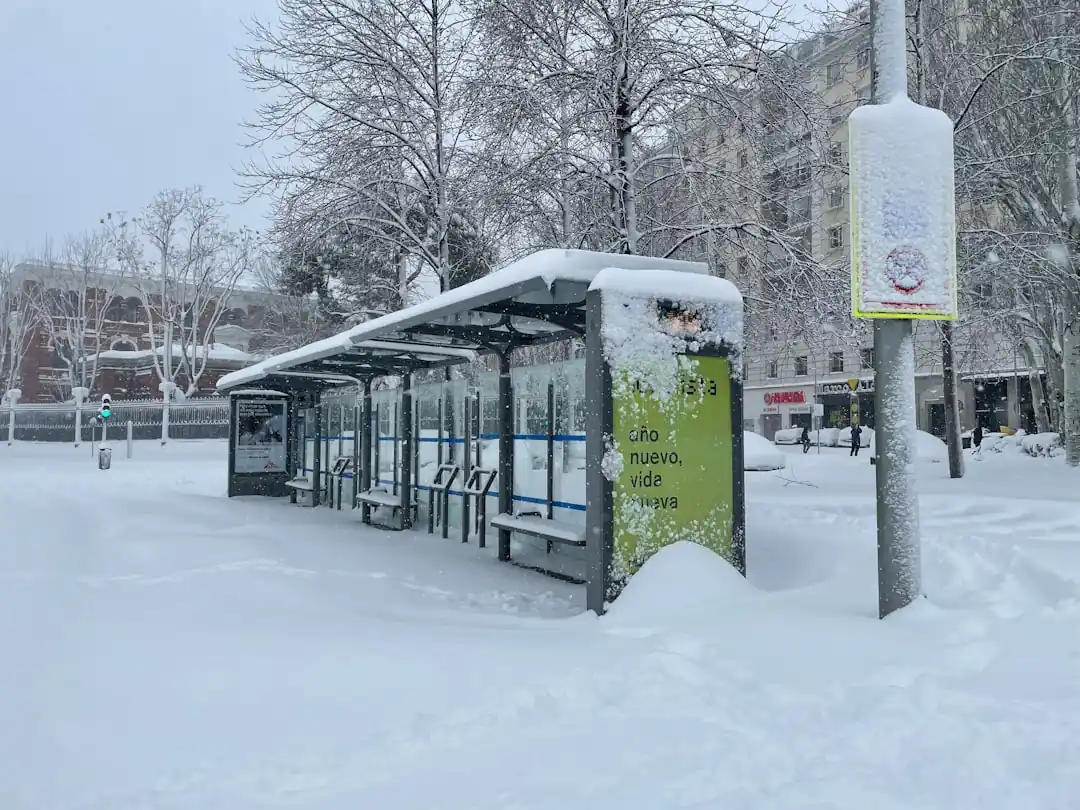
Buses face a more familiar struggle: icy, unplowed roads. Here, the coordination with city sanitation departments is key. Transit agencies are in constant communication, identifying priority routes that need to be plowed and salted first. Many buses are fitted with all-weather tires or even snow chains to get a better grip. You might also notice that the long, articulated "bendy buses" disappear during a storm. That’s a deliberate choice; standard 40-foot buses are simply more nimble and less likely to slide or get stuck in deep snow. It’s a fascinating logistical dance, all happening just out of sight.
Your Winter Commuting Game Plan
Knowing that the system is working hard to stay operational is reassuring, but you still have a part to play. The single most important thing you can do is give yourself extra time. A lot of it. Delays are not a possibility; they are a certainty. Service will be slower for safety reasons, and buses may have to take detours. Rushing will only lead to frustration and potentially risky decisions, like running for a bus on an icy sidewalk.
Before you even put on your boots, check for service alerts. Don’t just show up at the bus stop and hope for the best. Every major transit authority has a website, an app, or a social media feed dedicated to real-time updates. They will tell you about delays, route changes, or suspensions. Some apps, like the Transit app, aggregate this information and even provide real-time bus and train tracking, so you can see exactly where your ride is and minimize your time waiting in the cold. This simple step can be the difference between a calm, prepared journey and a miserable, frozen wait.
Finally, think about safety at every step. When you’re at the stop, stand back from the curb, especially if snowplows have created large snowbanks that could hide the edge. When the bus arrives, be careful climbing aboard; the steps can be wet and slippery. Use the handrails. And please, try to knock the snow off your boots before you get on. It’s a small courtesy that helps keep the floor dry and safe for everyone else. It’s these little things, this collective awareness, that makes the whole system work better for everyone during a storm.
The truth is, public transportation is often your most resilient and safest option in severe winter weather. It takes the stress of navigating treacherous roads off your shoulders and puts it into the hands of trained professionals. While it may require a little more patience and planning, it’s a system designed to endure. The next time you’re cozy on a warm train watching the snow fall outside, take a moment to appreciate the incredible effort that made your journey possible. Stay warm, and travel safely.

The Four Pillars of a Safe Kitchen: Clean, Separate, Cook, Chill
Before the First Snowfall: Your Essential Guide to Winter-Proofing Your Car
Related Posts
 TRANSPORT
Beyond the Highway: Finding Canada's Soul on a Western Rail Adventure
Forget road trips. I'm talking about rediscovering the romance of travel on Via Rail's most scenic routes through the heart of the Canadian West. It’s an experience that changes you.
 TRAVEL TIPS
The Unwritten Rules of the North: What to Know Before Camping in Canada
Heading to the Great White North for a camping trip? It's an amazing idea. But from campfire etiquette to wildlife wisdom, here’s what you need to know before you go.

Popular Posts

Rethinking Non-Profit Promotion: Creative Strategies That Actually Drive Event Impact

Beyond Stark White: The Best Interior Paint Colors to Light Up Your New Space

How to Actually Master a New Language on Your Own (No Magic Gene Required)
