Ever felt a pull towards the scaly, the slithery, or the surprisingly charismatic creatures of the reptile and amphibian world? This is your starting point.
There’s something undeniably captivating about reptiles and amphibians, isn't there? Maybe it’s their ancient lineage, their often-mesmerizing patterns, or perhaps the quiet dignity with which they navigate their worlds. For years, I found myself drawn to them, watching documentaries and pressing my face against the glass at pet stores, completely fascinated. But the idea of actually keeping one? That felt like a whole different universe, a secret club for experts that I wasn't sure how to join. If you've ever felt that same spark of curiosity, that quiet whisper telling you to explore the world of herpetology, then you're in the right place.
Honestly, the initial thought can be overwhelming. The sheer variety of species, the talk of specialized care, the ethical questions—it all seems like a steep mountain to climb. But like any new adventure, the first step is often just about gathering your courage and your knowledge. This guide is designed to be that first step for you, a warm, human introduction to what can be an incredibly rewarding hobby. We'll talk about where to start, which scaly or smooth-skinned friend might be right for you, and how to make sure you're doing it responsibly. Because these amazing animals deserve nothing less than our very best.
This isn't just about getting a "cool pet." It's about becoming a custodian of a tiny, curated ecosystem. It's a journey of learning, of patience, and of developing a deep appreciation for some of nature's most unique and often misunderstood creatures. So, let's push past the intimidation and start this journey together.
First, A Heart-to-Heart on Ethics and Responsibility
Before we even dream of picking out a new scaly friend, we absolutely have to talk about the serious stuff. This isn't like bringing home a puppy or a kitten. Reptiles and amphibians are exotic animals, and that "exotic" label comes with a heavy dose of responsibility. Their well-being depends entirely on our ability to recreate their natural environment, and that's a commitment that shouldn't be taken lightly. The ethical considerations in herpetology are paramount, and frankly, they should guide every single decision you make.
One of the biggest ethical checkpoints is where your animal comes from. You'll often see the terms "wild-caught" (WC) and "captive-bred" (CB). I cannot stress this enough: for the health of your future pet and the good of wild populations, always choose captive-bred animals. Wild-caught individuals endure immense stress, are prone to parasites and disease, and their removal from the wild can devastate native ecosystems. Supporting reputable, ethical breeders who prioritize the health and welfare of their animals is the only way to go. It ensures you're getting a healthier, more socialized animal and that you aren't contributing to the often-cruel international wildlife trade.
Beyond sourcing, you have to honestly assess the long-term commitment. This isn't a phase. A common leopard gecko can live for 15-20 years. A ball python can easily live for 30 years. Some tortoises will outlive you. This is a lifelong promise you're making to an animal. It means finding and budgeting for a specialized exotic vet, which can be more expensive and harder to find than a standard veterinarian. It means ensuring their habitat is always correctly maintained, even when life gets busy. This isn't meant to scare you off, but to ground you in the reality of what this hobby demands. It requires genuine dedication.
Choosing Your First Herp: The Best Beginners
So, you're ready to commit, you understand the ethics, and your heart is still set on welcoming a herp into your home. Fantastic! Now comes the most exciting part: exploring which species are best suited for a beginner. The key here is to choose an animal known for its hardiness, manageable size, and relatively straightforward care requirements. Starting with a more forgiving species allows you to build confidence and learn the ropes without being overwhelmed by complex needs.
For those leaning towards lizards, the Leopard Gecko is the undisputed champion for beginners. They are small, generally docile, and don't require the complex UVB lighting setups that many other lizards do (though a low-level UVB is still beneficial). They are insectivores, which means you'll need to be comfortable with handling live crickets or mealworms. Another fantastic choice is the Bearded Dragon. They are a bit larger and require more complex lighting and a varied diet of insects and greens, but their famously interactive and curious personalities make them incredibly rewarding companions.
If a snake has captured your imagination, the Corn Snake is a perfect starting point. They are known for their placid temperament, manageable size, and come in a breathtaking variety of colors. They are also escape artists, so a secure enclosure is a must! The Ball Python is another hugely popular beginner snake, beloved for its shy, gentle nature (they tend to curl into a ball when frightened rather than strike). Their habitat needs are quite simple, though they can sometimes be picky eaters. For both, you'll be feeding them pre-killed, frozen-thawed rodents, which is a crucial consideration.
Creating the Perfect Home: It's All About the Habitat
Bringing a reptile or amphibian into your home means you are becoming a world-builder. These animals are ectothermic, which is a scientific way of saying they rely on their external environment to regulate their body temperature. This is why getting their habitat (or "enclosure") right is not just important—it's a matter of life and death. A poorly set-up habitat is one of the leading causes of illness in captive reptiles, so this is where you need to focus your energy and budget.
The enclosure itself is your foundation. The size will depend entirely on the species and its adult size—always research this thoroughly. A good rule of thumb is to provide as much space as you possibly can. Inside, you'll need a proper substrate (the "bedding"), which can range from paper towels for quarantine periods to specialized soil mixes or sand that mimic their natural ground cover. Most importantly, you must provide a temperature gradient. This means one side of the enclosure is kept warmer with a heat lamp or under-tank heater, and the other side is cooler. This allows the animal to move back and forth to regulate its own body temperature, a behavior essential for digestion, immune function, and overall health.
You will need reliable tools to monitor this tiny world. Digital thermometers and hygrometers (to measure humidity) are non-negotiable. For many species, especially diurnal lizards like Bearded Dragons, a high-quality UVB light is also essential. This special light allows them to produce vitamin D3, which is critical for them to absorb and use calcium. Without it, they can develop debilitating and fatal conditions like Metabolic Bone Disease. Finally, every enclosure needs hiding spots—at least one on the warm side and one on the cool side—so your pet feels secure. A stressed reptile is an unhealthy reptile.
This might sound like a lot, but it quickly becomes a rewarding routine. There is a deep satisfaction in seeing your animal thrive in the carefully constructed environment you've provided. It’s a testament to your care and dedication. As you embark on this journey, remember that it’s a marathon, not a sprint. Do your research, start with a manageable species, and invest in a proper setup from the very beginning. The quiet, fascinating world of herpetology offers a unique and profound connection to the animal kingdom, and the rewards are well worth the effort.
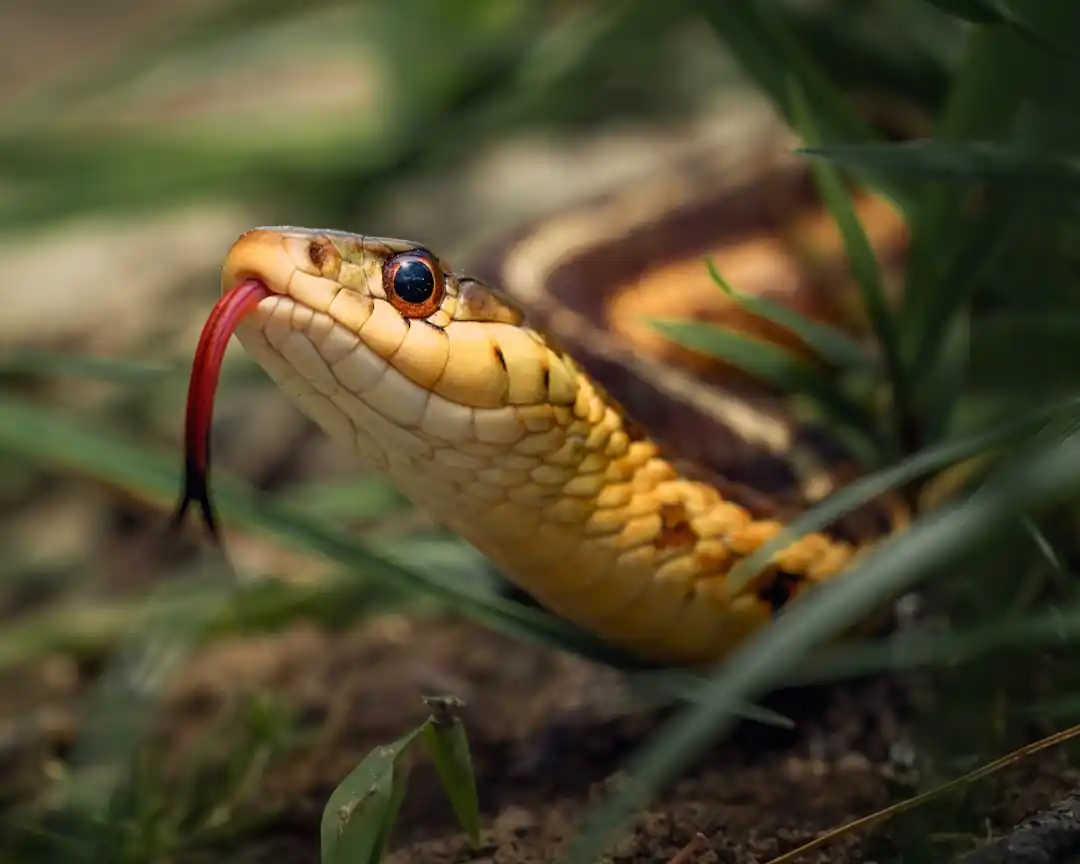
Capturing Scales with Soul: A Guide to Ethical Reptile Photography
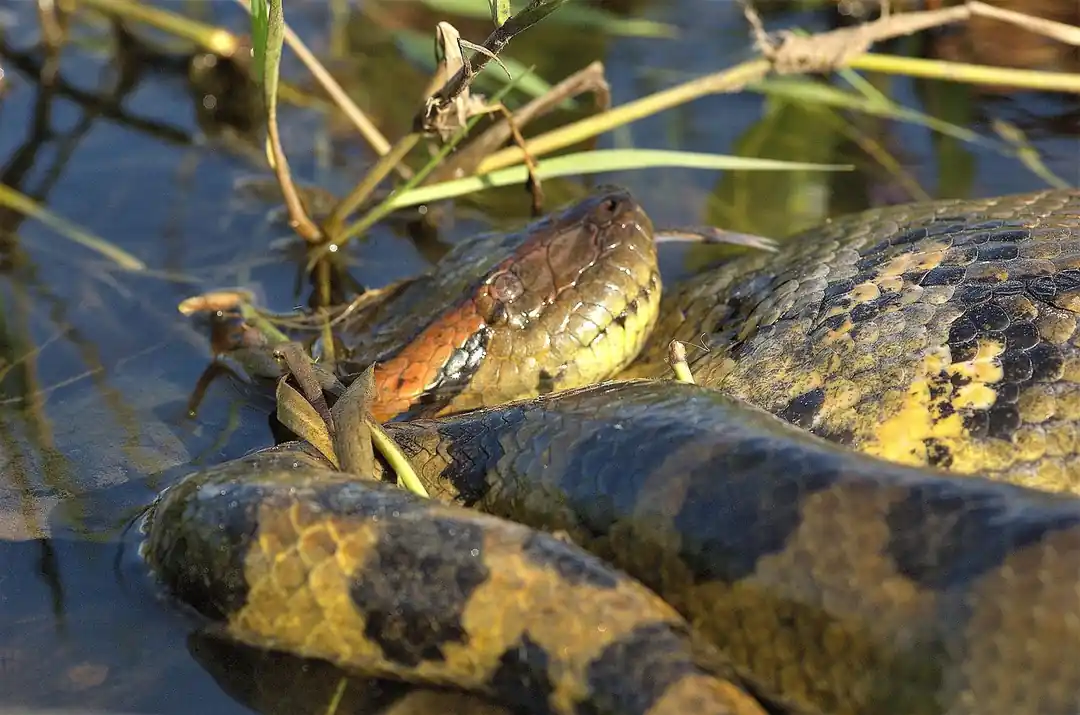
The Anaconda's Two Lives: A Wild Sprint vs. A Captive Marathon
Related Posts
 HOBBIES
The Beginner's Guide to Reading the Night Sky: How to Spot Your First Constellations
A friendly, grounded guide to navigating the night sky, understanding stellar movements, and spotting iconic constellations without expensive gear.
 PETS
PETSSniffle-Free Snuggles: America's Most-Loved Hypoallergenic Dogs
Dreaming of a furry friend but dreading the sneezes? You're not alone. Let's dive into the wonderful world of popular hypoallergenic dog breeds in the US.
Popular Posts

Rethinking Non-Profit Promotion: Creative Strategies That Actually Drive Event Impact

Beyond Stark White: The Best Interior Paint Colors to Light Up Your New Space

How to Actually Master a New Language on Your Own (No Magic Gene Required)
