Ever had your GPS go haywire for no reason? The answer might not be on Earth, but 93 million miles away. Let's talk about solar weather.
You know that feeling of mild panic, right? You’re navigating a new city, depending entirely on that calm, digital voice to guide you, and then—silence. Your GPS signal is gone. Or worse, your little blue dot starts jumping around the map like it’s had way too much caffeine. We usually blame it on tall buildings, a bad network day, or just our phone deciding to be difficult. But what if the real culprit is 93 million miles away?
Honestly, it sounds like science fiction, but it’s a very real phenomenon. The same solar activity that creates the breathtaking Aurora Borealis can also play havoc with the technology we’ve woven into the very fabric of our lives. I used to think of things like solar flares and geomagnetic storms as abstract concepts, something for astronomers to worry about. It wasn't until I was on a road trip through a remote part of Texas and my GPS completely lost its mind for a solid hour that I started digging deeper. It turns out, the sun has moods, and its temper tantrums can have very real-world consequences for us down here on Earth.
Understanding this connection isn't just for tech nerds; it’s becoming essential for anyone who relies on a smartphone or a GPS unit. So, let's break down what’s actually happening when the sun decides to throw a party in our atmosphere.
What Exactly Is a Geomagnetic Storm?
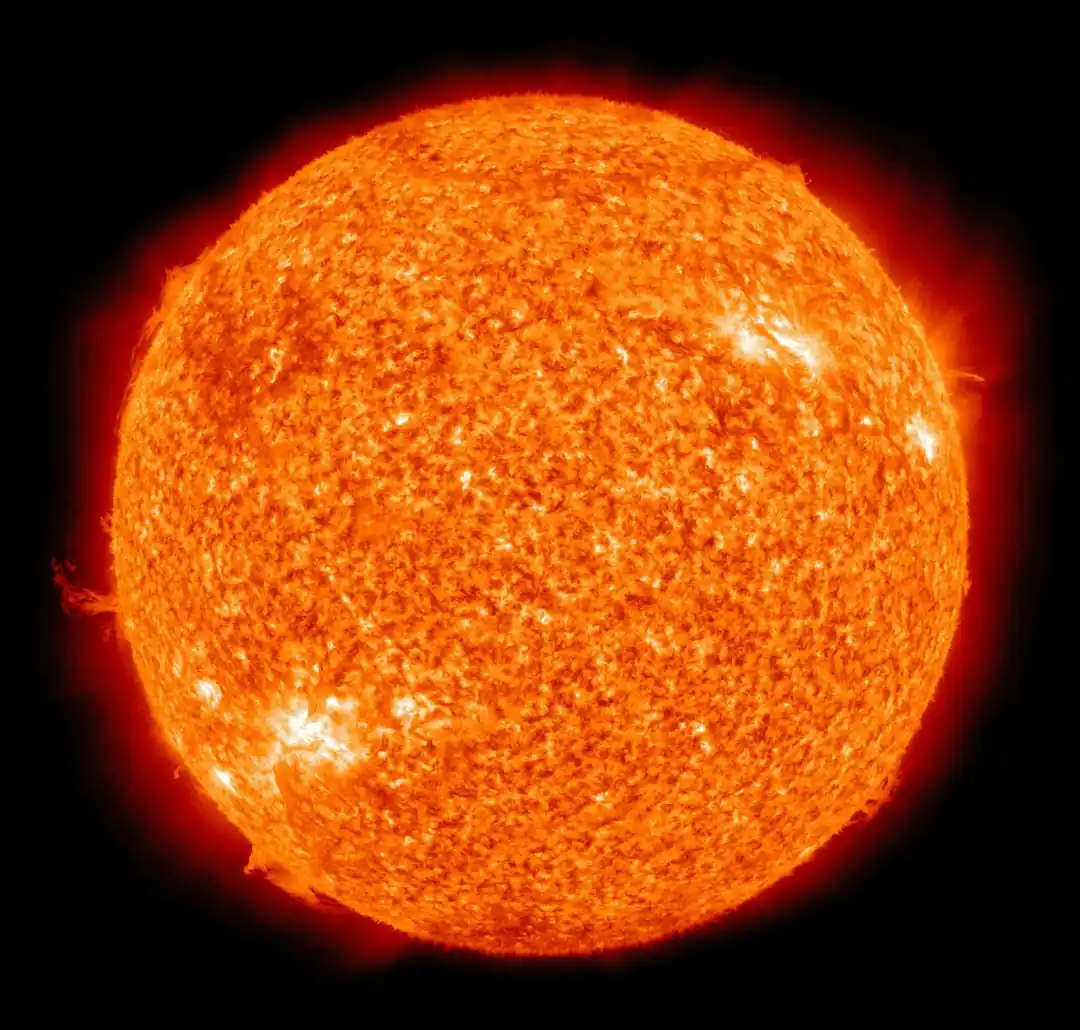
First off, let's get the terms straight. Our sun is a massive, churning ball of hot gas and magnetic fields. Sometimes, it releases a huge burst of energy, known as a solar flare, or a massive cloud of solar plasma and magnetic fields called a Coronal Mass Ejection (CME). When a CME is aimed at Earth, this torrent of charged particles travels across space and slams into our planet's protective magnetic shield, the magnetosphere.
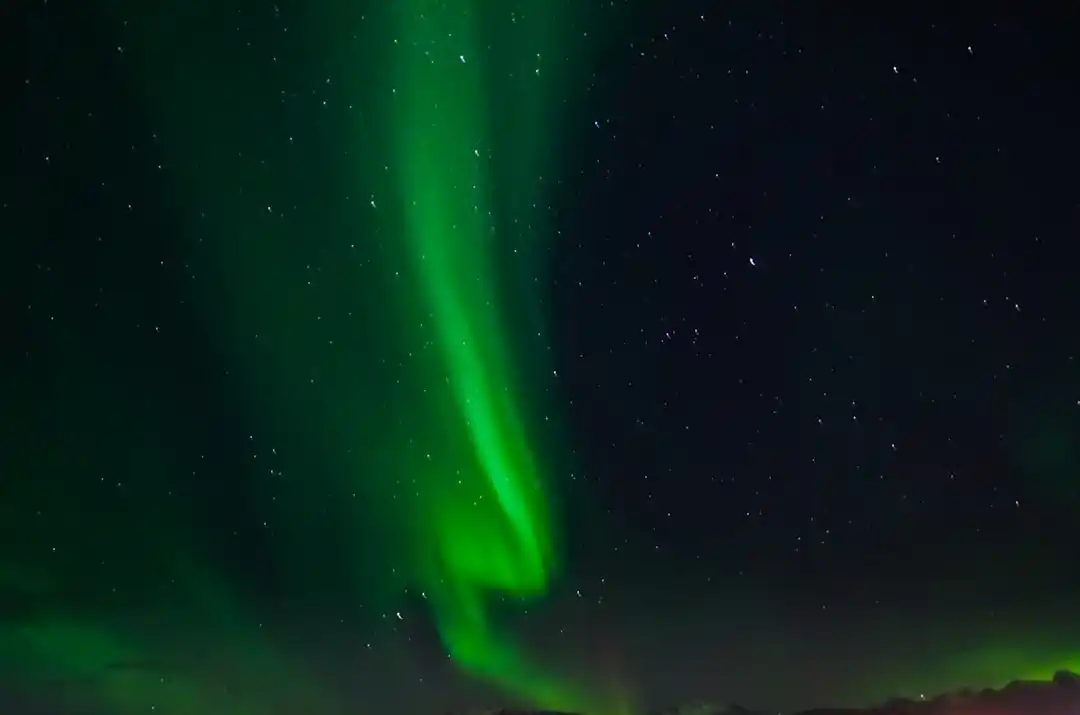
Think of our magnetosphere as an invisible force field. It does a fantastic job of deflecting most of what the sun throws at us. However, a particularly strong CME can compress and rattle this shield, allowing energetic particles to leak into our upper atmosphere. This sudden influx of energy is what we call a geomagnetic storm. The most beautiful effect of this interaction is the aurora, as those solar particles collide with oxygen and nitrogen atoms, causing them to glow in vibrant colors.
But while it’s putting on a spectacular light show, this storm is also supercharging a layer of our atmosphere called the ionosphere. This region, full of charged particles (ions and electrons), is critical for long-distance radio communication and, most importantly for our daily lives, for the passage of GPS signals. During a storm, the ionosphere can become turbulent, dense, and unpredictable—creating a kind of "space weather" fog that disrupts the signals trying to pass through it.
The GPS Connection: A Cosmic Traffic Jam
This is where your navigation problems begin. The Global Positioning System works because your receiver (in your phone or car) is in constant communication with a constellation of satellites orbiting Earth. These satellites send out precisely timed signals, and your device calculates its position based on the time it takes to receive signals from multiple satellites. For this to work accurately, the system has to account for the slight delay that occurs as the signal passes through the ionosphere.
Under normal conditions, this is a predictable calculation. But a geomagnetic storm throws a wrench in the works. The storm dramatically increases the density of the ionosphere and creates irregularities, a phenomenon scientists call "scintillation." Imagine trying to see the bottom of a pool while someone is splashing around wildly—the view is distorted and unclear. That’s what happens to GPS signals. They can be delayed, bent, or scattered in ways that the standard models can't predict.
The result? Your GPS receiver gets confused. The calculated position can be off by 50 feet or more, which is more than enough to make you miss a turn. In more severe storms, the signal can become so scrambled that your device can't get a "lock" on the satellites at all, leaving you completely without navigation. This isn't just an annoyance for drivers; it's a major problem for industries like aviation, shipping, and precision agriculture, which all depend on hyper-accurate GPS timing and location data.

And What About Your Cell Phone Signal?
So if GPS is vulnerable, what about your ability to make calls or scroll through social media? The answer here is a bit more complicated. The radio frequencies used for most direct cell phone-to-tower communication are different from GPS frequencies and are less susceptible to ionospheric disturbances. A geomagnetic storm is not likely to directly block the signal between your phone and the nearest cell tower.
However, the mobile network is a massive, interconnected system, and it's not immune to the secondary effects of a major storm. For one, many components of the cellular network rely on GPS for crucial timing signals to keep everything synchronized. If the GPS system is experiencing errors, it can create a ripple effect that degrades the performance of the cell network.
The much bigger threat, though, is to the power grid. Geomagnetic storms can induce powerful electrical currents in long conductors on the ground—like power lines and pipelines. These unexpected surges can overload transformers and other critical components, potentially leading to widespread blackouts. If the power grid goes down, cell towers go dark with it. While many have backup generators, they can only last so long. In the face of a truly massive, multi-day storm, a loss of power would be the single biggest reason your phone would stop working.
Should You Be Worried?
The sun is currently in an active phase of its 11-year cycle, with solar activity expected to peak around 2025. This means we can expect more frequent geomagnetic storms. While a catastrophic, grid-ending storm is a low-probability event, moderate storms capable of disrupting GPS are relatively common.
For most of us, this isn't a cause for alarm, but rather a reason for awareness. It’s a good reminder not to be completely dependent on a single technology. Maybe keep a paper map in your car for long trips, or download offline maps to your phone as a backup. It’s about building a little bit of resilience into our tech-heavy lives.
Thinking about our vulnerability to the sun's whims is a humbling experience. It’s a powerful reminder that no matter how advanced we become, we are still fundamentally connected to the vast and sometimes violent forces of the cosmos. The next time your GPS acts up, take a moment to look up. You might not see an aurora, but you can know that you're experiencing a faint echo of the sun's incredible power.
Forecasting Fire: How AI is Becoming Our Early Warning System for Space Weather
Chasing the Green Lady: The Best Cities in Norway for Aurora Viewing
Related Posts
 MOBILE
The Great Console Debate: How to Choose the Right Gaming System for Your Family
Feeling stuck between a Switch, a PlayStation, and an Xbox? Let's break down which gaming console is the perfect fit for your family's game nights.
 MOBILE
From Fragile to Formidable: The Surprising Evolution of Foldable Phone Durability
Remember when the idea of folding a smartphone screen in half felt like a disaster waiting to happen? Let's talk about how far they've come, because the story is pretty incredible.

Popular Posts

Rethinking Non-Profit Promotion: Creative Strategies That Actually Drive Event Impact

Beyond Stark White: The Best Interior Paint Colors to Light Up Your New Space

How to Actually Master a New Language on Your Own (No Magic Gene Required)
