Our cats are masters of hiding when they don't feel well. Learning to spot the subtle signs of common health issues is one of the most important things we can do for them.
You know that feeling when you’re watching your cat sleep, curled up in a perfect little circle in a patch of sun, and you just feel this overwhelming sense of peace? It’s one of the best parts of being a cat person. But then, there’s that little flicker of worry. Are they really okay? Our feline friends are notorious for hiding pain and illness, a survival instinct passed down from their wild ancestors that, honestly, can be a source of major anxiety for us.
I used to think that if my cat were sick, it would be glaringly obvious. I expected dramatic meows or a visible injury. The reality, I’ve learned, is that the signs are often incredibly subtle. A slight change in routine, a new hiding spot, a little less enthusiasm for their favorite toy. Learning to read these quiet signals isn't just about being a worrier; it's about being a responsible and loving guardian. It’s our job to be their advocate, to notice the whispers of discomfort before they become screams.
So, let's talk about it. Let's go through some of the most common health issues our cats face. This isn't to scare you, but to empower you. By knowing what to look for, we can turn our anxiety into action and ensure our beloved companions live the long, healthy, and purr-filled lives they absolutely deserve.
When the Litter Box Becomes a Red Flag
Of all the issues that can affect our cats, problems with the urinary tract are some of the most common and, frankly, most distressing for everyone involved. Feline Lower Urinary Tract Disease, or FLUTD, isn't a single diagnosis but a term for a cluster of conditions that affect the bladder and urethra. It can range from bladder stones and inflammation (cystitis) to, in the worst-case scenario, a complete blockage.
The signs can be mistaken for bad behavior at first. Is your cat suddenly urinating outside the litter box? It’s easy to get frustrated, but it’s often their desperate way of telling you something is wrong. They might be making frequent trips to the box but only passing a tiny amount of urine, or even straining with no results. I once read on the Cornell Feline Health Center website that you might notice them crying out or showing signs of pain while trying to go. That’s a five-alarm fire right there.
Other tell-tale signs include excessive licking of their genital area or noticing blood in their urine. It’s a scary sight, but it’s crucial information for your vet. If you notice any of these symptoms, especially straining without producing urine, it is a medical emergency. A blockage can become fatal in less than 24 hours. It’s always, always better to be safe and get them checked out immediately.
The Pain Hidden Behind a Yawn
Have you ever really thought about your cat's teeth? We get so used to their "cat breath" that we often don't realize when it's signaling a deeper problem. Dental disease is incredibly pervasive in adult cats, with some studies suggesting well over half of cats over age three have some form of it. It starts with plaque, just like in humans, which hardens into tartar and leads to gingivitis—inflamed, painful gums.
The symptoms are easy to miss. Aside from progressively worse breath, you might notice your cat drooling more than usual or becoming a pickier eater. Maybe they've started turning their nose up at their favorite crunchy kibble or chewing on only one side of their mouth. These aren't signs of them being finicky; they're signs of pain. They might paw at their mouth or shy away when you try to pet their face.
Left untreated, dental disease can lead to tooth loss and painful abscesses. Even more seriously, the bacteria from the mouth can enter the bloodstream and potentially cause damage to vital organs like the heart, kidneys, and liver. This is why your vet will likely recommend regular dental cleanings under anesthesia. It sounds intimidating, but it's one of the most important preventative measures you can take to protect your cat's overall health from a silent but significant threat.
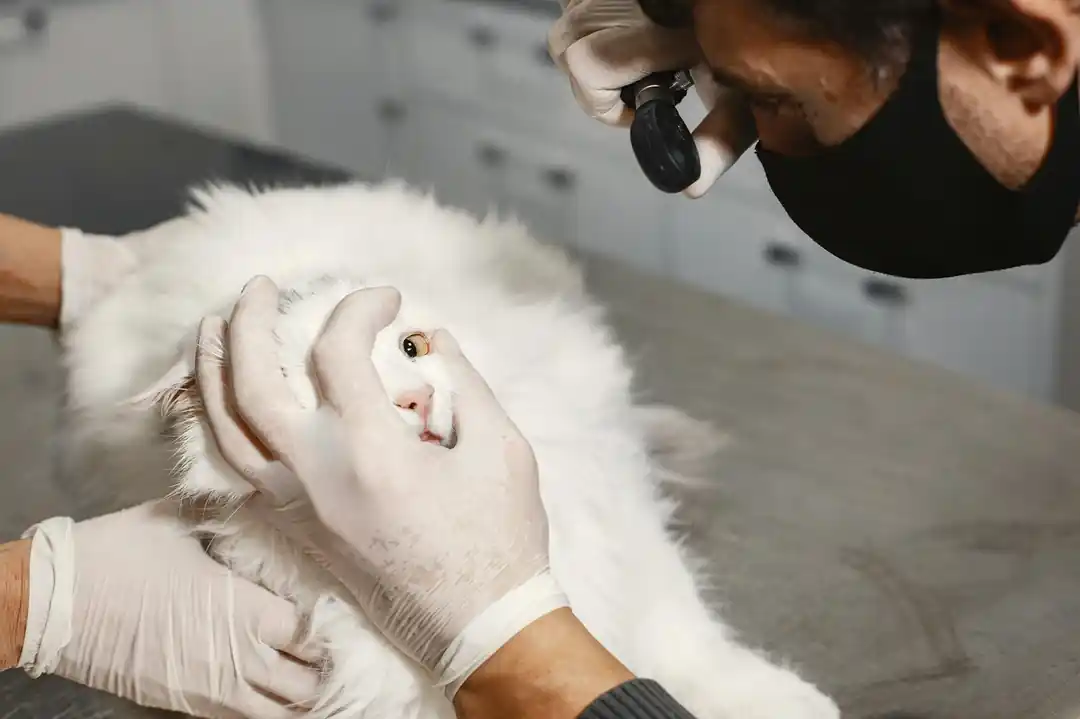
The Sneaky Thief of Old Age: Kidney Disease
Chronic Kidney Disease (CKD) is one of the most common ailments diagnosed in senior and geriatric cats. It’s a progressive condition where the kidneys slowly lose their ability to function over months or even years. The kidneys are amazing organs, responsible for filtering waste from the blood, and they have a lot of reserve capacity. This is both good and bad—it means they can function for a long time even when damaged, but it also means symptoms often don't appear until the disease is quite advanced.
The two most classic, early signs of CKD are increased thirst (polydipsia) and increased urination (polyuria). You might find yourself filling the water bowl more often or cleaning out much larger clumps from the litter box. This happens because the kidneys can no longer conserve water effectively. As the disease progresses and toxins build up in the bloodstream, you might notice other symptoms like a decreased appetite, weight loss, lethargy, and a generally unkempt or dull coat.
Nausea is also common, which can lead to vomiting or just a general lack of interest in food. While a CKD diagnosis is serious and there is no cure, it is far from a death sentence. With early detection through routine blood and urine tests, your vet can recommend management strategies, including prescription diets and medications, that can help manage the symptoms and give your cat many more months or even years of good quality life.
Being Their Best Advocate
It’s a heavy thing, thinking about all the ways our cats can get sick. But knowledge is power. Being an observant and informed pet parent is the greatest gift you can give your feline companion. You know their quirks, their habits, their daily rhythms better than anyone. If something feels off, trust that instinct.
Don't ever feel silly for calling your vet about something that turns out to be nothing. It's always better to have that peace of mind. Building a strong relationship with a good veterinarian and committing to regular wellness check-ups, especially as your cat enters their senior years, is the foundation of a long and healthy life together.
Our time with them is precious. By learning to interpret their silent signals, we honor the deep bond we share and ensure we're doing everything in our power to keep them comfortable, happy, and purring by our side for as long as possible.

How to Find the Best Hotel Deals for Your Next Trip (and Actually Enjoy the Hunt)
The 5 Basic Dog Commands That Will Transform Your Life at Home
Related Posts
 HOBBIES
The Beginner's Guide to Reading the Night Sky: How to Spot Your First Constellations
A friendly, grounded guide to navigating the night sky, understanding stellar movements, and spotting iconic constellations without expensive gear.
 PETS
PETSSniffle-Free Snuggles: America's Most-Loved Hypoallergenic Dogs
Dreaming of a furry friend but dreading the sneezes? You're not alone. Let's dive into the wonderful world of popular hypoallergenic dog breeds in the US.

Popular Posts

Rethinking Non-Profit Promotion: Creative Strategies That Actually Drive Event Impact

Beyond Stark White: The Best Interior Paint Colors to Light Up Your New Space

How to Actually Master a New Language on Your Own (No Magic Gene Required)
