Cash, Cards, and Paradise: A US Traveler’s Guide to Money in Mauritius
Heading to the stunning island of Mauritius? Let's talk money. Figuring out the currency situation shouldn't be stressful, and this guide will make sure it isn't.
There’s a special kind of excitement that builds when you’re planning a trip to a place like Mauritius. You’re picturing the unreal turquoise water, the dramatic volcanic mountains, and the feel of soft sand between your toes. But then, the practical questions start to creep in. What’s the deal with the money? Should I exchange my dollars before I go? Will my credit card even work? It’s enough to give anyone a little pre-travel anxiety.
Honestly, I’ve been there. Standing in a foreign airport, bleary-eyed after a long flight, trying to figure out the best way to get local cash without getting ripped off. The good news is that handling money in Mauritius is surprisingly straightforward for American travelers. It’s a well-touristed island, which means the financial infrastructure is solid. You just need a little bit of insider knowledge to navigate it like a pro.
Think of this as your financial roadmap to paradise. We’ll break down everything from the local currency to the smartest way to pay for things, so you can spend less time worrying about exchange rates and more time deciding which beach to visit next.
Getting to Know the Mauritian Rupee (MUR)
First things first, let's talk about the local currency. In Mauritius, everything runs on the Mauritian Rupee, abbreviated as MUR or sometimes just Rs. While you might find a few high-end tourist shops or hotels willing to accept US dollars or Euros, it’s really not the way to go. When you pay in a foreign currency, the vendor sets the exchange rate, and it's almost never in your favor. For everything from local market finds to delicious street food and taxi rides, you’re going to need rupees.
I always find that making the effort to use the local currency is about more than just saving money; it’s a sign of respect and a way to immerse yourself more deeply in the culture. Haggling for a souvenir at the Port Louis Central Market just feels more authentic when you’re doing it in rupees. It connects you to the place on a different level.
So, how do you get these rupees? The golden rule of travel finance applies here: don't exchange your money in the US. The rates you'll get at home are notoriously poor. Your best bet is to wait until you land at Sir Seewoosagur Ramgoolam International Airport (MRU). You can exchange a small amount of cash there to cover your immediate expenses like a taxi or a bottle of water, and then seek out better rates once you're settled.
The Smartest Ways to Get and Spend Your Money
Once you're on the island, you have a few excellent options for managing your funds. The most common and often easiest method is using ATMs. They are widespread, especially in towns and tourist areas. You’ll find them at the airport, in shopping malls, and outside banks. Most will accept your US debit card without any issue. One crucial tip: if the ATM offers to convert the transaction to USD for you (a service called Dynamic Currency Conversion), always decline. It sounds helpful, but it’s a known travel trap that sticks you with a less favorable exchange rate. Let your own bank handle the conversion.
If you're more comfortable with exchanging cash, bringing crisp, new US dollar bills is the way to go. You can exchange them at official money changers or banks. Banks usually offer very competitive rates, but be mindful of their hours—they typically close by 3 PM on weekdays. Dedicated exchange bureaus, like Shibani Finance, are also a popular and reliable choice and can be found across the island.
For larger purchases at hotels, resorts, and upscale restaurants, your credit card is your best friend. Visa and Mastercard are universally accepted. American Express is less common, so it’s wise to have a backup. Before you leave, make sure to call your credit card company and let them know you’ll be traveling. This small step prevents them from freezing your card for suspected fraudulent activity. Also, ask about their foreign transaction fees. These little fees (usually 1-3% of the purchase) can add up quickly. If you travel often, it might be worth getting a card with no foreign transaction fees specifically for your international trips.
Finding the Perfect Balance: Cash vs. Card
So, what’s the final verdict? A hybrid approach is truly the best strategy for Mauritius. Rely on your credit card for big-ticket items like your hotel bill or a fancy dinner, which often provides better purchase protection and rewards. But for the day-to-day magic of Mauritius—the fresh coconut water from a roadside stand, the colorful sarong from a market vendor, or tipping your friendly tour guide—cash is absolutely essential.
Carrying a reasonable amount of cash allows you to operate freely and take advantage of spontaneous opportunities without having to hunt for an ATM. I usually aim to have about $50-$100 worth of rupees on me for daily expenses. It’s enough to feel prepared but not so much that it would be a disaster if I lost it.
Ultimately, your trip to Mauritius is a chance to disconnect and recharge. The last thing you want is to be bogged down by financial worries. By planning ahead, using a mix of cash and cards, and being savvy about where you exchange your money, you can ensure your finances are as calm and pleasant as the island itself. Now go on and enjoy that slice of paradise.
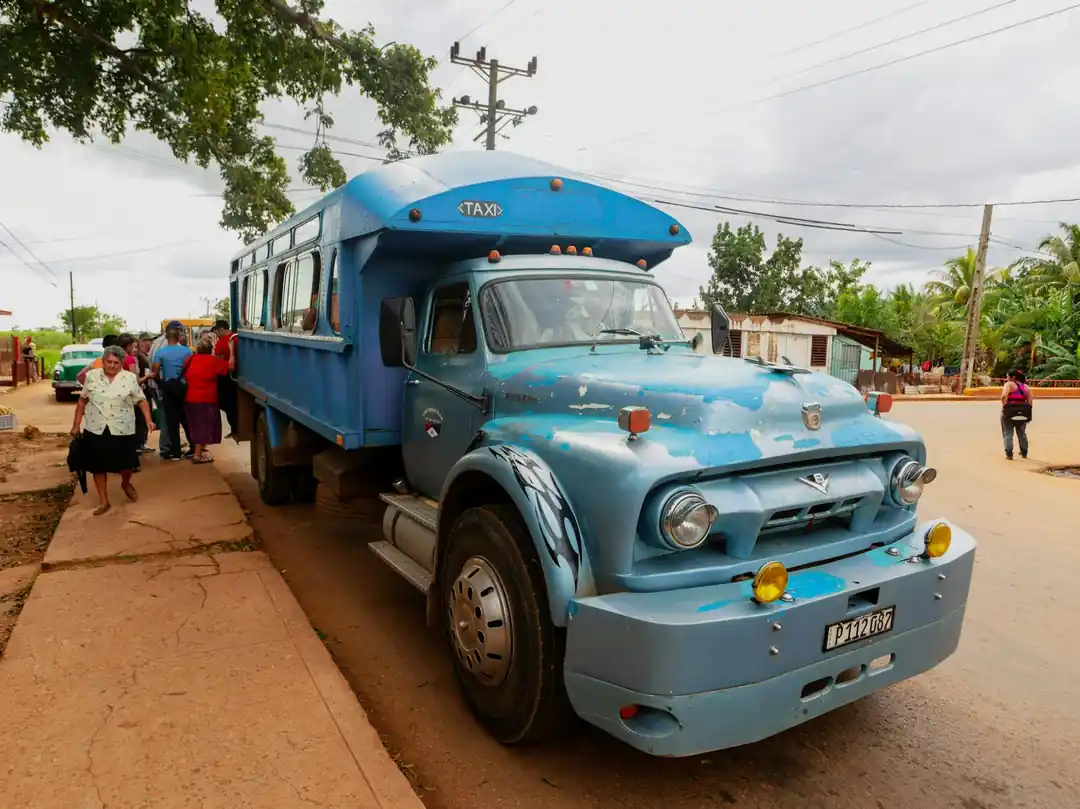
Forget the Pricey Taxis: How to Ride the Bus in Mauritius Like a Local
The Floating Sanctuary: Finding the Perfect Liveaboard for Remote Archipelagos

Related Posts
 TRANSPORT
Beyond the Highway: Finding Canada's Soul on a Western Rail Adventure
Forget road trips. I'm talking about rediscovering the romance of travel on Via Rail's most scenic routes through the heart of the Canadian West. It’s an experience that changes you.
 TRAVEL TIPS
The Unwritten Rules of the North: What to Know Before Camping in Canada
Heading to the Great White North for a camping trip? It's an amazing idea. But from campfire etiquette to wildlife wisdom, here’s what you need to know before you go.

Popular Posts

Rethinking Non-Profit Promotion: Creative Strategies That Actually Drive Event Impact

Beyond Stark White: The Best Interior Paint Colors to Light Up Your New Space

How to Actually Master a New Language on Your Own (No Magic Gene Required)
