The open road, a dusting of snow... it's a perfect picture, but only if your car is up for the challenge. Here's how I make sure my ride is winter-ready.
There’s a certain magic to a winter road trip, isn’t there? The world feels quieter, the air is crisp, and there’s this sense of adventure that’s just different from a summer drive. But I’ll be the first to admit that my romantic notions have been tested. I once spent a harrowing few hours on the shoulder of a highway in upstate New York, watching my breath plume in the frigid air, all because of a battery that decided winter was the perfect time to retire. It was a lesson learned the hard way: winter’s beauty demands respect, and that respect starts with preparing your car.
It’s easy to just top off the gas and go, but the cold is uniquely challenging for a vehicle. Fluids thicken, rubber gets brittle, and batteries lose a significant amount of their power. Taking an afternoon to run through a checklist isn't about being paranoid; it's about being smart. It’s the difference between a story about the charming snowy landscape and a story about waiting for a tow truck. So, before you even think about the playlist, let’s pop the hood and get real about what your car needs.
Your Grip on Reality: Tires and Brakes
I can't overstate this: your tires are the single most important safety feature on your car, especially in winter. They are your only point of contact with a road that could be icy, slushy, or covered in snow. For years, I thought "all-season" meant, well, all seasons. But after doing some deep-dive research on sites like AAA and Consumer Reports, the difference became clear. Winter tires are made from a special rubber compound that stays soft and grippy even in freezing temperatures, while the tread is designed to bite into snow and channel away slush. If you live anywhere that sees consistent snow and ice, they are an investment I wholeheartedly recommend.
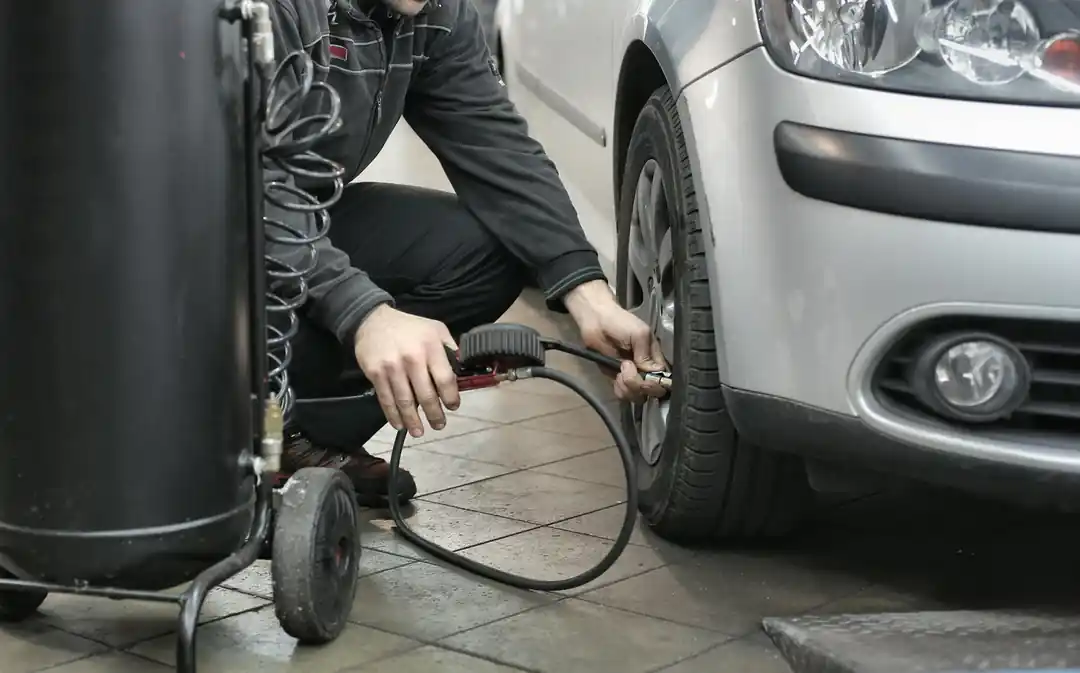
Tire pressure is the other side of this coin. Did you know that for every 10-degree drop in temperature, your tire pressure can decrease by about 1 PSI? Driving on underinflated tires is not only dangerous, affecting your steering and braking, but it also kills your fuel economy. Get a decent digital pressure gauge and check your tires (including the spare!) first thing in the morning, before you've driven on them. The correct pressure is listed on a sticker inside your driver's side door jamb, not on the tire itself. While you're down there, check your tread. The old penny trick (if you can see all of Lincoln's head, your tread is too low) is a good start, but a mechanic can give you a precise measurement.
The Heartbeat: Your Battery and Electrical System
That soul-crushing click-click-click of a dead battery is a sound I wish upon no one, especially on a dark, cold morning. A car battery's ability to produce power plummets along with the temperature. At 32°F, a battery is about 35% weaker than it is on a warm day. At 0°F, it loses about 60% of its strength. That’s a massive drop. A battery that was perfectly fine in October could easily fail you in January.
This is one of those times where it pays to be proactive. Most auto parts stores will test your battery for free. They’ll hook it up to a device that measures its cold-cranking amps (the power it can deliver at 0°F) and overall health. It takes five minutes and gives you a clear picture of where you stand. While you're under the hood, take a look at the battery terminals. If you see a crusty, white or blue-green buildup, that's corrosion, and it can prevent a solid electrical connection. Cleaning it off with a wire brush and a mix of baking soda and water is an easy and effective fix.
Vision is Everything: Wipers, Fluid, and Lights
Winter driving is often a battle for visibility. Between road salt, slush, and falling snow, your windshield can become an opaque mess in seconds. Your wiper blades are your front-line soldiers in this fight. If they are streaking, chattering, or leaving patches behind, they’re done. Don't try to make them last "just a little longer." New blades are inexpensive and one of the most satisfying pre-winter upgrades you can make. I personally swear by beam-style or winter-specific blades that are designed to resist ice buildup.
Just as important is your washer fluid. You will go through an astonishing amount of it. Make sure your reservoir is filled to the brim with a winter-rated fluid that contains a de-icer. The summer stuff will just freeze on your windshield, making a bad situation infinitely worse. And please, do a walk-around of your car and check every single light: headlights (high and low beams), taillights, brake lights, and turn signals. Clean the lenses, too. A layer of road grime can significantly dim their output, making you less visible to others.
The Unseen Essentials: Your Emergency Kit
Okay, so you've checked the car from bumper to bumper. It's ready. But are you ready if the unexpected happens anyway? A flat tire, a sudden road closure, or getting stuck in the snow can turn a fun trip into a dangerous situation if you're unprepared. This is where a well-stocked winter emergency kit becomes your best friend. I'm not just talking about a basic first-aid kit; this needs to be winter-specific.
My kit includes a thick wool blanket, extra gloves and a hat, a foldable shovel, and an ice scraper. I also pack a set of jumper cables (and I know how to use them), a powerful flashlight with extra batteries, and a portable power bank to keep my phone charged. A bag of sand or non-clumping kitty litter can provide crucial traction if your wheels are spinning on ice. Finally, a few non-perishable snacks like granola bars and a couple of bottles of water are non-negotiable. It might seem like overkill, but if you're ever stuck for a few hours waiting for help, you'll be incredibly grateful for that foresight.
Taking these steps doesn't just make your car safer; it frees your mind. It allows you to focus on the journey, the scenery, and the company you're with, knowing that you’ve done everything in your power to prepare for the road ahead. Here’s to safe travels and beautiful winter memories.
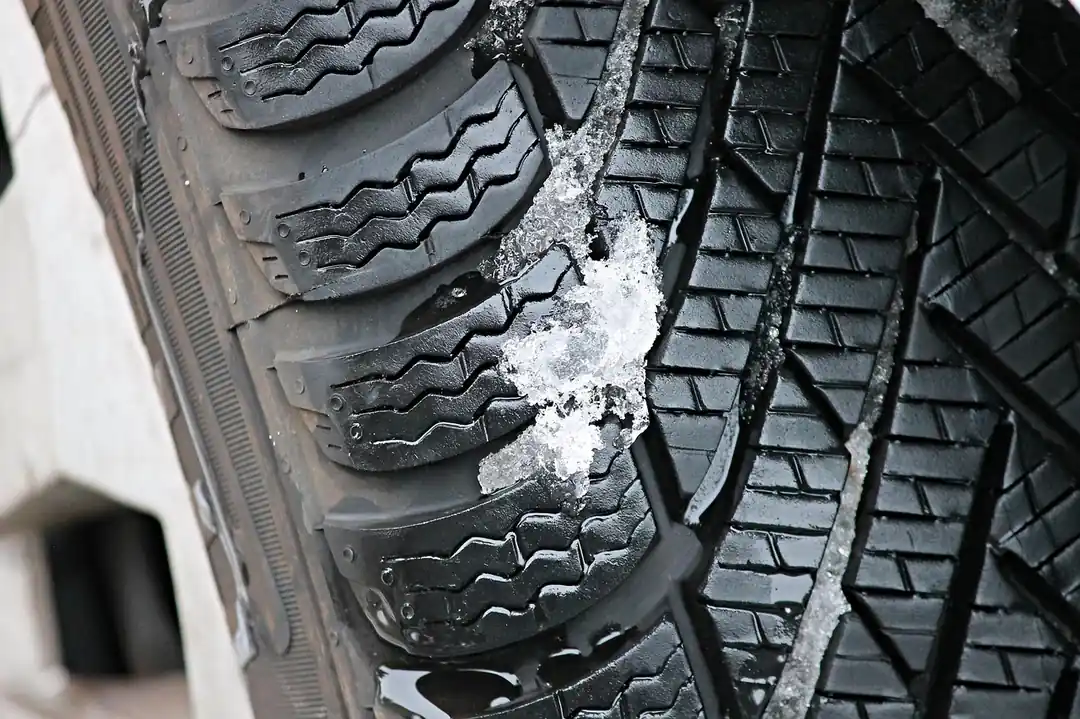
All-Weather vs. Winter Tires: What's the Real Difference for Safe Driving?
Embracing the Chill: A Guide to the Best Cold Weather Travel in the US
Related Posts
 TRANSPORT
Beyond the Highway: Finding Canada's Soul on a Western Rail Adventure
Forget road trips. I'm talking about rediscovering the romance of travel on Via Rail's most scenic routes through the heart of the Canadian West. It’s an experience that changes you.
 TRAVEL TIPS
The Unwritten Rules of the North: What to Know Before Camping in Canada
Heading to the Great White North for a camping trip? It's an amazing idea. But from campfire etiquette to wildlife wisdom, here’s what you need to know before you go.

Popular Posts

Rethinking Non-Profit Promotion: Creative Strategies That Actually Drive Event Impact

Beyond Stark White: The Best Interior Paint Colors to Light Up Your New Space

How to Actually Master a New Language on Your Own (No Magic Gene Required)
