Echoes in the Delta: A Journey Through Mississippi's Most Vital Historical Sites
More than just landmarks, the historical sites of Mississippi are profound storytellers. Let's journey together through the battlefields, homes, and museums that define the soul of the American South.
There’s a certain kind of quiet that hangs in the air in Mississippi. It’s a heavy, humid quiet, thick with the scent of pine and damp earth, but it’s also filled with stories. I’ve always been drawn to places that feel layered, where the present is just a thin veil over a deep and complicated past. And honestly, few places in the United States feel as layered as Mississippi. It’s a state that has been a crucible for so much of the American experience—a place of immense beauty, profound creativity, and heartbreaking struggle.
Embarking on a journey through its historical sites isn't just a trip; it's a pilgrimage. It’s about understanding that the Civil War wasn't just a chapter in a textbook, but a brutal, landscape-altering reality. It’s about seeing the Civil Rights Movement not as a grainy black-and-white newsreel, but as a fight waged by real people, in their own homes and on their own streets. I recently read that to truly understand a place, you have to stand where its history was forged, and that idea has stuck with me.
So, I wanted to share a few of the places that have left an indelible mark on me. These aren't just tourist stops; they are sacred grounds that tell the unflinching story of Mississippi, and by extension, of America itself. They challenge you, they move you, and they ultimately offer a deeper, more human connection to the past.
Vicksburg National Military Park: The Ground That Shaped a Nation
You can’t talk about history in Mississippi without talking about Vicksburg. I remember the first time I drove through the Vicksburg National Military Park; the sheer scale of it is staggering. This isn't just a field with a few cannons. It's a sprawling 1,800-acre memorial landscape, where the fate of the nation was decided during a brutal 47-day siege in 1863. President Lincoln himself called Vicksburg "the key," believing its capture was essential to winning the Civil War.
Walking among the more than 1,400 monuments, markers, and tablets feels like walking through an outdoor museum. Each one tells a story of a specific regiment, a specific state, a specific sacrifice. I found myself stopping constantly, reading the inscriptions, and trying to imagine the young men—from both the North and the South—who fought and died on this very soil. The restored trenches and earthworks snake through the rolling hills, a stark, physical reminder of the brutal reality of siege warfare.
One of the most powerful stops for me was the USS Cairo Museum. Seeing the actual ironclad gunboat, raised from the bottom of the Yazoo River after a century, was surreal. It’s a tangible link to the technology and terror of the war. The park does an incredible job of not just memorializing the battle, but explaining its strategic importance. Standing there, overlooking the Mississippi River, you finally understand why control of this city was non-negotiable. It’s a somber, reflective experience that provides a profound understanding of the cost of division and the struggle for reunion.
Mississippi Civil Rights Museum: A Testament to Courage
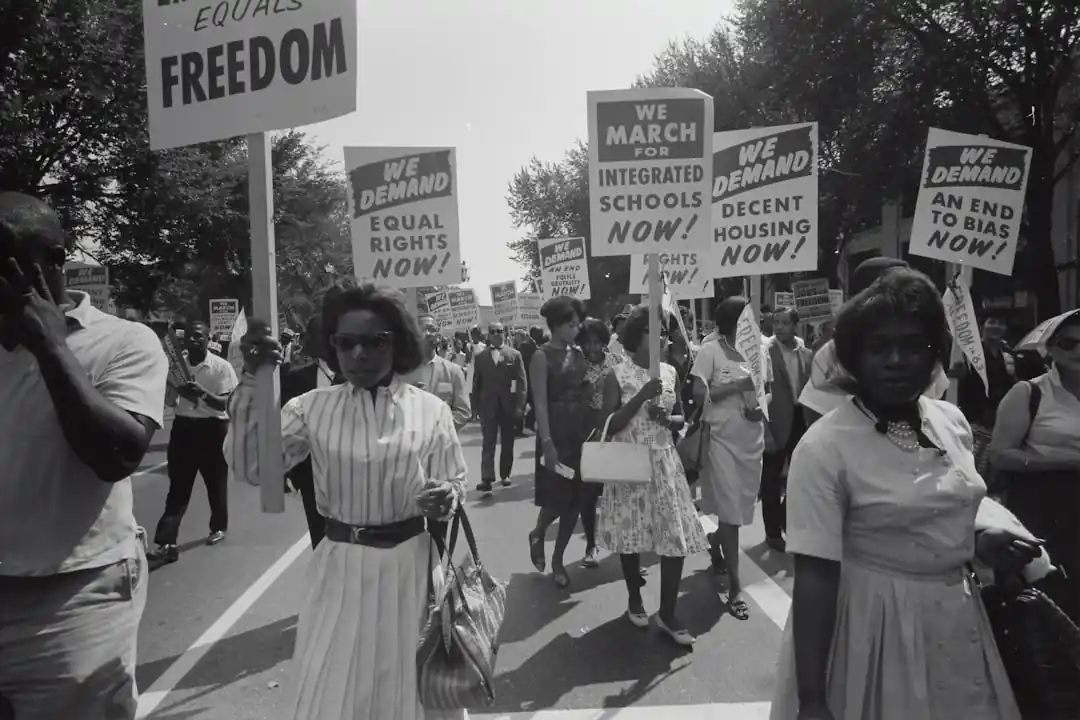
Just a few hours away in Jackson, another, more recent battle is chronicled with breathtaking power. The Mississippi Civil Rights Museum is, without a doubt, one of the most important and emotionally resonant museums I have ever visited. Opened in 2017, it doesn't just present history; it immerses you in it. The museum focuses on the period between 1945 and 1976, a time when Mississippi was ground zero for the fight for freedom and equality in America.
The experience is designed to be challenging. You walk through galleries that unflinchingly depict the brutal realities of segregation, voter suppression, and white supremacist violence. The exhibits on lynching and the murders of Emmett Till and Medgar Evers are deeply painful, yet absolutely essential. I saw a recent article that described the museum as a "space of truth-telling," and that feels exactly right. It refuses to sanitize the past, forcing you to confront the hate and fear that activists fought against.
But for all the darkness, the museum is ultimately a story of incredible light and resilience. The central gallery, named "This Little Light of Mine," is a soaring, open space with a central light sculpture that glows brighter and pulses with music as more people gather. It’s a powerful metaphor for the collective power of the movement. You leave with the names and stories of heroes like Fannie Lou Hamer, Dr. T.R.M. Howard, and so many other ordinary people who did extraordinary things. It’s a place of mourning, yes, but it is also a profound place of inspiration.
Natchez Trace Parkway: An Ancient Path Through Time
Not all history is about conflict. Sometimes, it’s about the quiet, steady path of human movement over centuries. The Natchez Trace Parkway is a stunningly beautiful 444-mile scenic drive that roughly follows the "Old Natchez Trace," an ancient path used for centuries by Native Americans, European settlers, soldiers, and traders. Driving it feels like a journey back in time, a slow unwinding through lush forests and pastoral landscapes.
The Parkway itself is a national park, meticulously maintained and free of commercial vehicles. This creates a uniquely peaceful and immersive experience. Along the way, there are dozens of pull-offs for historic sites, hiking trails, and ancient mounds. One of the most incredible stops is the Emerald Mound site, a massive ceremonial mound built by the ancestors of the Natchez people around 800 years ago. Standing on top of this huge earthwork, you feel a deep connection to the civilizations that thrived here long before the first Europeans arrived.
What I love about the Trace is how it weaves together different eras of history. You can walk a preserved section of the original sunken trace, where the path was worn down several feet by thousands of travelers. You can visit Mount Locust, one of the oldest surviving inns on the Trace, and get a sense of what life was like for weary travelers in the early 1800s. It’s a different kind of historical experience—less about a single event and more about the slow, steady pulse of life and travel over generations. It’s a reminder that the land itself holds memory.
These sites are just the beginning, of course. Mississippi is home to the Delta Blues Museum, the stunning Windsor Ruins, and the home of Medgar Evers. Each one is a thread in a rich and complex tapestry. To visit them is to do more than just see history; it's to feel it, to grapple with it, and to carry its lessons with you. It’s a journey every American should make, a chance to understand the soul of a place that has so powerfully shaped the soul of a nation.
Tracing the Soul: Your Guide to a Mississippi Blues Trail Road Trip
Journey into the Green Heart: The Best Amazon Rainforest Documentaries

Related Posts
 TRANSPORT
Beyond the Highway: Finding Canada's Soul on a Western Rail Adventure
Forget road trips. I'm talking about rediscovering the romance of travel on Via Rail's most scenic routes through the heart of the Canadian West. It’s an experience that changes you.
 TRAVEL TIPS
The Unwritten Rules of the North: What to Know Before Camping in Canada
Heading to the Great White North for a camping trip? It's an amazing idea. But from campfire etiquette to wildlife wisdom, here’s what you need to know before you go.

Popular Posts

Rethinking Non-Profit Promotion: Creative Strategies That Actually Drive Event Impact

Beyond Stark White: The Best Interior Paint Colors to Light Up Your New Space

How to Actually Master a New Language on Your Own (No Magic Gene Required)