Explore how advanced artificial intelligence frameworks, such as Moonshot AI technology, are revolutionizing modern pet care systems through predictive diagnostics, automated wellness tracking, and data-driven behavioral analysis.
The evolution of smart pet care and AI integration
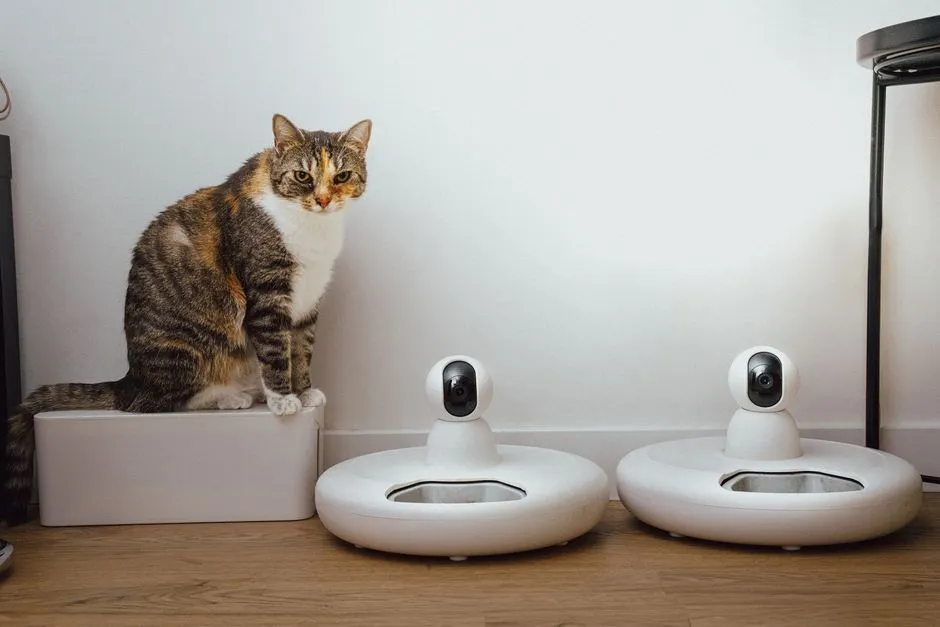
The pet care industry is changing as artificial intelligence and connected hardware advance. Modern pet owners increasingly rely on technology to monitor, feed, and interact with their animals, moving from reactive treatment toward proactive wellness. By integrating high-performance machine learning and large language models, developers can build systems that interpret complex physiological data in real time. This turns everyday accessories like collars, cameras, and feeding bowls into parts of a comprehensive health network.
Artificial intelligence can process vast streams of telemetry data that would overwhelm a human observer. When applied to pets, platforms driven by foundational frameworks can establish baseline metrics for resting heart rates, sleep cycles, and daily caloric burn. By continuously evaluating these variables, these systems detect subtle statistical anomalies that often indicate underlying illness or chronic discomfort. This process ensures that pet owners receive useful information long before clinical symptoms require emergency veterinary intervention.
Furthermore, pet care now requires scalable infrastructure that can connect different devices. Whether synchronizing information from a smart water fountain, an automated feeder, or an activity tracker, centralized systems manage a pet's daily routine. As companies adopt sophisticated language and reasoning models, platforms inspired by Moonshot AI technology provide the context needed to interpret complex behavioral cues and provide guidance to both owners and veterinary professionals.
Advanced health monitoring and diagnostic support
AI Diagnostic and Health Monitoring Workflow
1. Continuous Telemetry Capture
Wearable smart collars and harnesses capture vital signs such as heart rate variability, temperature, and pulse.
2. Symptom & Visual Evaluation
Computer vision and natural language processing analyze video uploads and descriptions of unusual behavior.
3. Triage & Emergency Assessment
AI models generate preliminary evaluations during off-hours or emergencies to accelerate response times.
4. Veterinary Care Integration
Data dashboards transmit detailed reports directly to veterinary clinics to customize clinical treatment plans.
Continuous health tracking is now a key part of veterinary technology, connecting home environments with clinical diagnostics. Wearable systems, such as veterinary-grade smart collars and specialized harnesses, capture physiological profiles including internal temperatures, pulse rates, respiratory frequencies, and heart rate variability. Software processes these streams to identify early warning signs of pain, stress, or metabolic disorders. This oversight helps pet health management move from sporadic check-ups to an ongoing, data-backed dialogue between caretakers and veterinary teams.
Beyond passive telemetry, diagnostic applications use computer vision and natural language processing to evaluate symptoms reported by owners. By uploading video feeds or descriptions of unusual behaviors, caretakers can get preliminary assessments generated by AI models trained on veterinary datasets. While these tools assist rather than replace certified professionals, they offer triage support during off-hours or emergencies. This reduces response times for serious conditions, improving clinical outcomes and long-term health for companion animals.
Analytical frameworks also enhance specialized care, such as monitoring geriatric pets or tracking medical recoveries. Predictive analytics can forecast the progression of joint degeneration or chronic mobility issues by correlating activity levels with environmental factors. Veterinary clinics equipped with compatible data dashboards can ingest these reports directly, allowing practitioners to tailor treatment plans more precisely. Consequently, combining advanced diagnostics with wearable technology provides a safety net for pets throughout their lives.
Personalized nutrition, behavior, and environmental automation
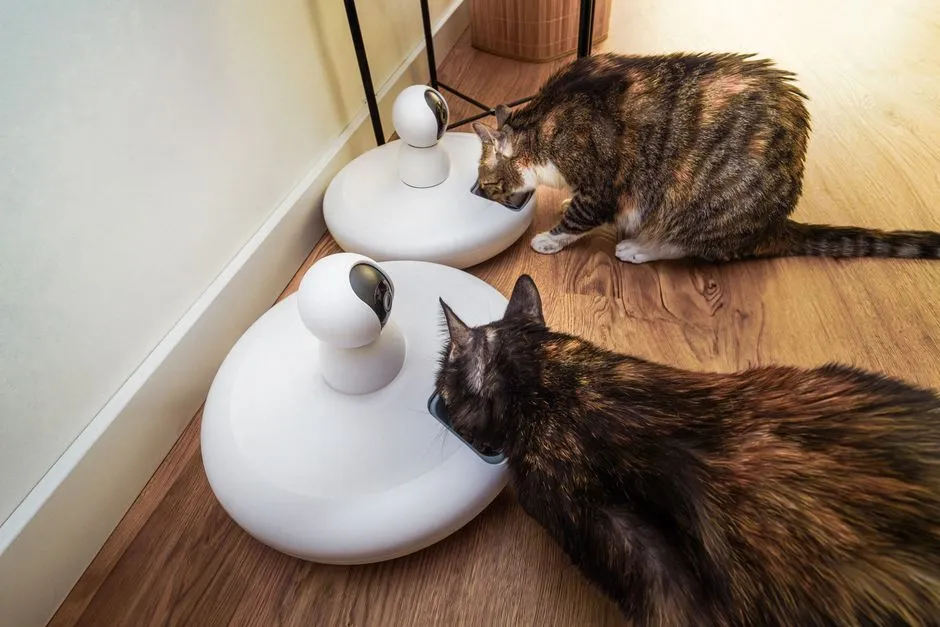
Nutrition and behavioral management are two areas where artificial intelligence optimizes daily pet care. Smart feeding systems use automated portion control and microchip recognition to provide dietary requirements based on an animal's age, breed, weight, and activity metrics. If a dog or cat is unusually sedentary, the system can adjust meal portions to prevent weight gain. In multi-pet households, these systems ensure that animals on therapeutic diets only access their own food, eliminating the risk of accidental dietary errors.
Behavioral analysis has moved beyond basic obedience training to include data from computer vision and acoustic sensors. Smart cameras and interactive toys interpret micro-expressions, posture shifts, and vocalizations to determine an animal's emotional state, distinguishing between normal play and anxiety. When separation anxiety or destructive tendencies are identified, systems can respond by dispensing calming treats, playing soothing audio, or engaging the pet with laser patterns. These mechanisms provide mental stimulation and help manage behavioral issues before they escalate.
Environmental automation ensures physical comfort without constant human intervention, contributing to a broader trend of advanced AI redefining smart living. Smart pet beds adjust heating to match sleeping conditions, while intelligent water fountains track hydration and filter supplies to maintain water quality. Because changes in fluid consumption often signal renal complications or urinary tract infections, monitoring water intake via sensors adds another layer of early disease detection. Together, these components create a safe environment based on the individual needs of each pet.
References
Personal safety risks and ethical boundaries when testing AI security vulnerabilities
Best mobile app development options for Moonshot AI APIs
Related Posts
 LIFE
LIFEKeeping pets safe and stress-free during natural weather emergencies
A comprehensive guide on how to prepare emergency kits, establish evacuation plans, and minimize anxiety for pets during natural disasters.
 LIFE
LIFEEvaluating the best flood insurance policies for homeowners in flood zones
A comprehensive guide to evaluating and selecting the best flood insurance policies for homeowners in high-risk zones, comparing NFIP and private options.