We break down the core differences between legacy carriers and low-cost airlines, from the ticket price to the in-flight experience. Knowing this can save you money and a whole lot of hassle.
We’ve all been there. You’re scrolling through a flight booking site, eyes wide at the possibilities for your next getaway. Then you see it: a flight to your dream destination for a price that seems almost too good to be true. Right next to it is a flight from a more familiar, major airline, costing significantly more. It begs the question that every modern traveler has asked themselves: what is really the difference? Is saving a couple hundred dollars on a budget airline worth it, or are you just signing up for a headache?
Honestly, the line between "budget" and "major" airlines has become increasingly blurry, but the core philosophies behind them are still worlds apart. It’s not just about the price tag; it’s about the entire experience, from the moment you book to the second you land. I used to be a die-hard budget flyer, convinced that any discomfort was worth the savings. But after a few... let's call them learning experiences, I’ve come to realize that the right choice completely depends on the trip, the traveler, and the tolerance for surprises.
Understanding the fundamental differences in their business models is the key to unlocking the best value for your specific needs. It’s a tale of two very different approaches to getting you from point A to point B.
The Allure of the Major Carrier: The Full-Service Promise
When you think of the titans of the sky—airlines like Delta, United, and American Airlines—you're thinking of major, or "legacy," carriers. These are the airlines that have been around for decades, building extensive global networks. Their business model is traditionally "full-service." That higher ticket price you see often bundles together a host of services and amenities that have long been standard in air travel.
For starters, their route networks are vast and complex, built on a "hub-and-spoke" system. This means they can get you from a small regional airport to a major international city, often on a single ticket, by routing you through one of their large hub airports. This interconnectedness is a massive advantage for travelers heading to less common destinations or on multi-leg international journeys. It also means that when things go wrong, like a flight cancellation, they have a larger fleet and more partner airlines to rebook you on, offering a crucial safety net.
Onboard, the experience is generally more predictable. While the glamour of the "golden age" of flying is a distant memory, major carriers typically offer more comfort. This includes slightly more legroom, seats that recline a bit more, and often, seat-back entertainment systems on longer flights. Complimentary non-alcoholic drinks and a small snack are still standard, and on international flights, a meal is usually included. It’s this bundling of services that defines their value proposition: a more comfortable, predictable, and connected journey.
The Budget Airline Revolution: The À La Carte Model
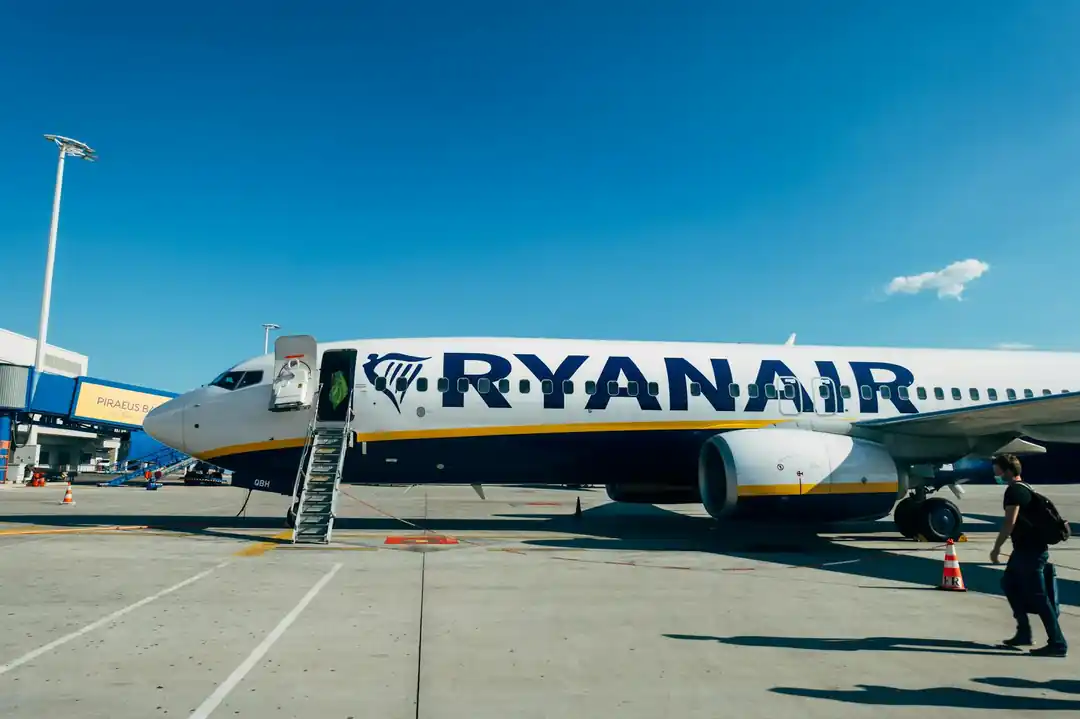
Then came the disruptors: the budget airlines, also known as Low-Cost Carriers (LCCs) or, in their most extreme form, Ultra-Low-Cost Carriers (ULCCs). Airlines like Spirit, Frontier, and Allegiant in the US operate on a completely different philosophy. Their goal is to strip the service down to its absolute core—a seat on a plane—and offer it for the lowest possible base fare. Everything else is an "ancillary," a fancy word for an add-on that you pay for.
This "unbundling" is the secret to their eye-poppingly low prices. Want to choose your seat? That’s a fee. Want to bring a carry-on bag that goes in the overhead bin? That’s a fee. Need a bottle of water or a bag of pretzels in the air? You’ll have to buy it. They’ve turned the traditional airline model on its head, and for the right kind of traveler, it’s brilliant. It allows you to pay for only the services you actually want. If you can pack light and don’t mind where you sit, you can save a substantial amount of money.
To keep costs down, they also operate differently. Many use a point-to-point model, flying direct routes between popular destinations rather than operating complex hub systems. They often fly out of smaller, secondary airports where fees are lower. Furthermore, they typically operate a fleet of only one or two aircraft models. This standardization dramatically reduces maintenance, training, and operational costs—savings that are passed on to the consumer in the form of that low base fare.
So, Which One Is Right for You?
Choosing between a budget and a major airline isn't about which one is "better," but which one is better for you on a particular trip. It’s a trade-off between cost and convenience, and the right answer requires a little bit of honest self-assessment.
Ask yourself a few key questions. How long is the flight? For a quick one-hour hop, the spartan conditions of a budget airline are perfectly manageable. For a six-hour cross-country flight, that extra inch of legroom and a complimentary ginger ale on a major carrier can make a world of difference. Are you traveling with family? The stress of ensuring everyone is seated together and managing luggage fees on a ULCC might outweigh the initial savings.
Finally, and most importantly, do the math. That $49 fare on a budget airline is just the starting point. Go through the booking process and add the cost of a carry-on bag, a checked bag, and seat selection. Compare that final, all-in price to the fare on a major airline. Sometimes the legacy carrier is actually cheaper, especially when you factor in the perks like loyalty miles and a more flexible cancellation policy. The true cost isn't just the number on the screen; it's the total price for the experience you want.

The Savvy Traveler's Guide to Scoring Cheap Flights in 2026
The Unspoken Weapon: Why Language Is a Force Multiplier for US Military Officers

Related Posts
 TRANSPORT
Beyond the Highway: Finding Canada's Soul on a Western Rail Adventure
Forget road trips. I'm talking about rediscovering the romance of travel on Via Rail's most scenic routes through the heart of the Canadian West. It’s an experience that changes you.
 TRAVEL TIPS
The Unwritten Rules of the North: What to Know Before Camping in Canada
Heading to the Great White North for a camping trip? It's an amazing idea. But from campfire etiquette to wildlife wisdom, here’s what you need to know before you go.

Popular Posts

Rethinking Non-Profit Promotion: Creative Strategies That Actually Drive Event Impact

Beyond Stark White: The Best Interior Paint Colors to Light Up Your New Space

How to Actually Master a New Language on Your Own (No Magic Gene Required)
