Ever wonder how actors create those breathtakingly real fight scenes without anyone getting hurt? It's a discipline where the illusion of danger is built on a foundation of absolute safety.
There’s a certain kind of magic in a perfectly executed stage fight, isn’t there? That moment when you, sitting in the audience, completely forget you’re watching a performance. You gasp when a punch seems to land, you flinch at the clash of swords, and your heart races with the actors on stage. It feels so real, so visceral, and so incredibly dangerous. But here’s the secret, the beautiful paradox of it all: the more dangerous a fight looks, the safer it almost certainly is.
I used to think that stage combat was just a matter of being athletic and learning a few cool-looking moves. Honestly, I figured it was mostly just guts and good timing. But after dipping my toes into the world of acting and speaking with a few fight directors, I realized it’s a profound discipline, a delicate art form that is less about aggression and more about collaboration. It’s a dance where every step is meticulously planned and every performer's safety is the absolute, non-negotiable priority.
This isn't just about avoiding bruises. It's a philosophy built on communication, precision, and an incredible amount of trust. It’s about creating the illusion of violence while maintaining a reality of complete control. So, let's pull back the curtain and explore the fundamental safety techniques that allow actors to tell stories of conflict, passion, and struggle without ever truly harming one another.
The Foundation: A Partner You Can Trust
Before a single punch is thrown or a step is choreographed, the most critical element of stage combat is put in place: trust. You are literally putting your physical well-being into your scene partner's hands, and they are doing the same for you. This isn't a casual agreement; it's a deep, foundational bond that allows both actors to perform with confidence and vulnerability. Without this trust, hesitation creeps in, and hesitation is where accidents happen.
This trust is built through hours of rehearsal, open communication, and a shared commitment to safety. It’s about knowing that your partner will always maintain the proper distance, give the right cue, and never, ever improvise. It’s about creating a space where it’s okay to say, "That felt a little too close," or "Can we slow that part down?" This dialogue is not a sign of weakness; it's the hallmark of a professional and safe rehearsal process. A good fight partner is a good listener, both verbally and physically.
Ultimately, your partner is your co-conspirator in creating the illusion. You are working together, not against each other. The "attacker" and the "victim" are two sides of the same coin, equally responsible for selling the story to the audience. This shared goal fosters a powerful connection that transcends the performance itself, turning a simulated conflict into a truly collaborative act of storytelling.
The Golden Rule: Distance, Angles, and the Illusion of Contact
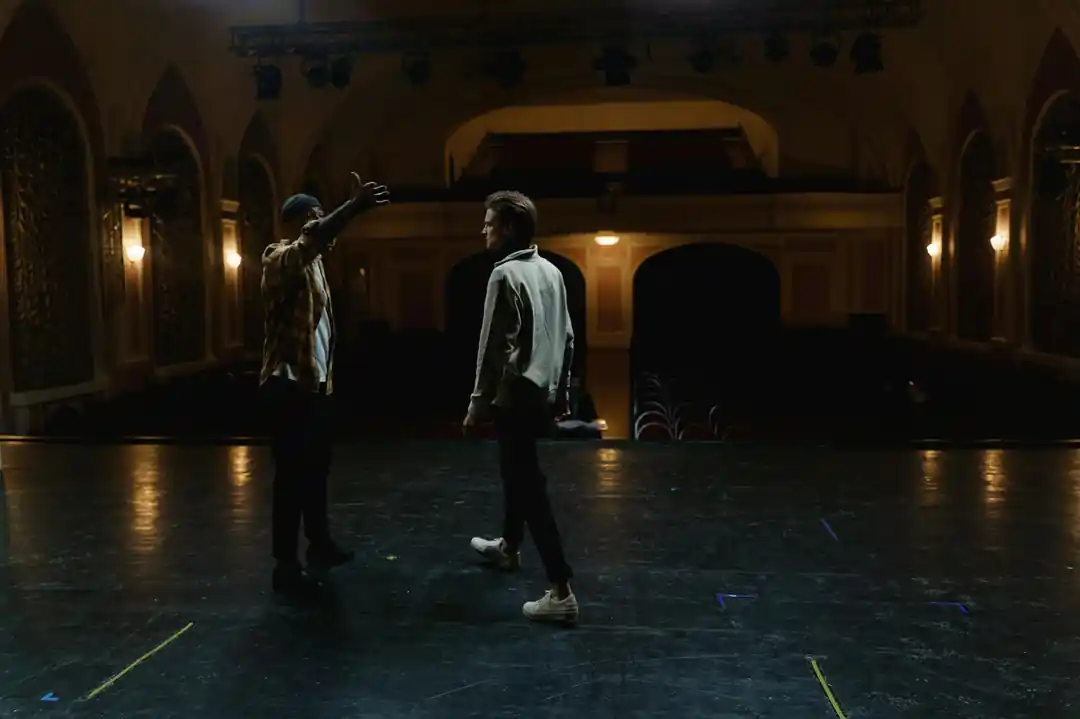
How can a punch look so real when it never even touches the person? The answer lies in a clever combination of distance and angles. The number one rule in unarmed stage combat is to maintain a safe distance at all times. A punch to the face is choreographed to pass several inches in front of or beside the "victim's" head. The illusion is created by the audience's perspective, the attacker's follow-through, and, most importantly, the victim's reaction.
This is where the "knap" comes in. A knap is the sound of the impact, and it's almost never made by actually hitting your partner. Instead, the attacker might clap their hands, or slap their own chest or thigh at the precise moment the punch is supposed to land. This auditory trick, combined with a sharp, believable reaction from the victim—a head snap, a grunt, a stumble—is what sells the moment and makes the audience believe they saw an impact.
It takes incredible control and discipline to master this. The urge to get closer to "make it look real" is a trap that amateurs fall into. Seasoned performers know that the magic is in the miss. They understand the geometry of the stage and how to use angles to their advantage, ensuring that from the audience's point of view, the action looks brutally effective while being completely harmless.
The Choreography: A Dance of "Violence"
A stage fight is not a fight; it's a dance. Every single move, from a simple shove to a complex sword-fighting sequence, is choreographed with the same level of detail as a ballet. There is absolutely no room for improvisation. The moment an actor decides to "add" a move or change the sequence, they are breaking the trust of their partner and putting everyone at risk. The illusion of spontaneity comes from making the choreography look so natural and effortless that it feels like it's happening for the first time.
Rehearsals for a fight scene always start slow—painfully slow. Fight directors will often have actors practice at "quarter speed" to build muscle memory and ensure every detail is correct. This slow, deliberate repetition allows the performers to understand the rhythm, timing, and flow of the fight without the pressure of speed. Only when the sequence is perfect at a slow tempo do they gradually increase the speed, always ensuring that safety and precision remain the top priorities.
This process is also about storytelling. Why is the character throwing this punch? Are they angry, scared, or desperate? The choreography is a physical script that reflects the emotional journey of the characters. A well-choreographed fight is not just a series of impressive moves; it's a vital part of the narrative, revealing character and advancing the plot in a way that dialogue alone cannot.
The Final Check: The Fight Call
You've rehearsed for weeks, the choreography is locked in, and you're ready for an audience. But before every single performance, without exception, the actors will run a "fight call." This is a mandatory, dedicated time to run through every fight sequence on the actual stage. It's not a full-speed performance, but a focused walk-through to re-establish timing, check spacing with the set pieces, and ensure everyone feels safe and confident.
The fight call is a crucial final safety check. It's a moment to reconnect with your partners, to confirm that all props are in good condition, and to mentally prepare for the physical demands of the show. It shakes off any rust, reminds the muscles of their path, and solidifies the trust between the performers one last time before the curtain goes up. It’s a professional ritual that underscores the seriousness of the work.
Stage combat is a fascinating and demanding art form that beautifully merges physicality with storytelling. It’s a world where the most thrilling moments of perceived danger are born from an environment of absolute safety, control, and mutual respect. The next time you watch a fight scene unfold on stage or screen, I hope you’ll have a new appreciation for the unseen dance of the performers and the incredible discipline it takes to make violence look so real, and yet be so perfectly, beautifully fake.

Forget the White Dot: How to Actually Photograph the Full Moon With Your Smartphone
Beneath the Waves: The Terrifying Origin of the Kraken

Related Posts
 HOBBIES
The Beginner's Guide to Reading the Night Sky: How to Spot Your First Constellations
A friendly, grounded guide to navigating the night sky, understanding stellar movements, and spotting iconic constellations without expensive gear.
 PETS
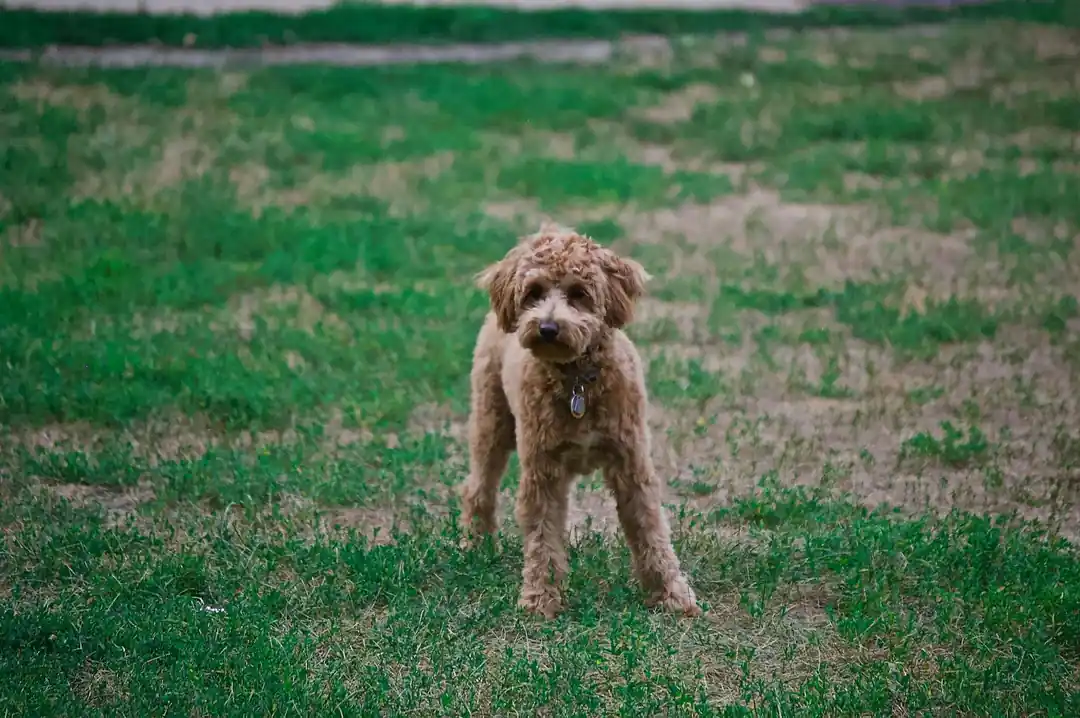
PETSSniffle-Free Snuggles: America's Most-Loved Hypoallergenic Dogs
Dreaming of a furry friend but dreading the sneezes? You're not alone. Let's dive into the wonderful world of popular hypoallergenic dog breeds in the US.
Popular Posts

Rethinking Non-Profit Promotion: Creative Strategies That Actually Drive Event Impact

How to Actually Master a New Language on Your Own (No Magic Gene Required)

The Simple Pre-Workout Fueling Strategy That Saved My Long Runs