The Secret Season: Why Fall and Spring Are the Best Times for the Northern Lights
Forget the deep freeze. I'm sharing why the equinox months of September and March are statistically the most magical times to chase the aurora borealis.
There’s a picture many of us have in our minds when we dream of seeing the Northern Lights. It usually involves being bundled in more layers than you thought possible, surrounded by a vast, silent, snow-covered landscape, watching vibrant ribbons of green and purple dance above. For the longest time, that was my dream, too. I just assumed that the absolute best, most surefire time to see the aurora was in the dead of winter—December or January—when the nights are longest and the cold is most profound.
Honestly, it made perfect sense. More darkness must mean more opportunity, right? But after years of reading travel blogs, talking to photographers, and digging into the actual science of it all, I stumbled upon a secret that changed my entire perspective. The peak of winter isn't necessarily the golden ticket. In fact, the periods around the spring and autumn equinoxes, specifically March and September, are statistically the most active and rewarding times for an aurora hunt.
It felt a little counterintuitive at first, but the data doesn't lie. There's a beautiful cosmic alignment at play during these months that essentially opens the door for more spectacular light shows. It’s a tip that can make the difference between a pleasant trip and a truly mind-blowing one, and it’s completely reshaped how I plan my own chase for the lights.
The "Equinox Effect": A Cosmic Invitation
So, what’s the magic behind March and September? It’s a phenomenon often called the "Russell-McPherron effect," and it has everything to do with magnetism. The Northern Lights are caused by particles from the sun (solar wind) interacting with Earth's atmosphere. Our planet is protected by a magnetic field, which funnels these particles toward the poles. Think of it as Earth’s atmospheric shield.
During the equinoxes, the tilt of the Earth’s axis is in a perfect position relative to the sun. This alignment allows the solar wind's magnetic field to connect more easily with our own planet's magnetic field. In simple terms, the "shield" develops a few more cracks, letting more of those energetic solar particles pour into our upper atmosphere. More particles mean more collisions with atmospheric gases, and those collisions are what create the dazzling light we see.
The result is a well-documented uptick in geomagnetic activity. Studies have shown that geomagnetic storms—the drivers of strong auroras—are nearly twice as likely during the equinox months as they are during the winter or summer solstices. It doesn’t mean you won't see lights in December; it just means your odds are significantly better in the shoulder seasons. It’s a subtle, powerful advantage that nature gives us, and it’s one worth planning a trip around.
Autumn vs. Spring: Choosing Your Perfect Chase
Deciding between September and March really comes down to the kind of experience you’re looking for, as each offers a distinct flavor of arctic adventure. Both give you those statistically higher chances of seeing a great show, but the backdrop is completely different.
September is a truly stunning time to be in the far north. The brutal cold of deep winter hasn't set in yet, making it much more comfortable to stay out for hours waiting for the sky to erupt. In many places, like the Yukon in Canada or parts of Scandinavia, the autumn colors are in their full, fiery glory. You get this incredible landscape of gold and crimson trees, which makes for breathtaking photos even before the aurora appears. Plus, many lakes and fjords haven't frozen over yet, which means you have the chance to see the lights reflected in the water—a mesmerizing, two-for-one spectacle.
March, on the other hand, delivers that classic winter wonderland experience. You’ll be surrounded by deep snow, which blankets the landscape in a pristine, sound-dampening layer of white that feels utterly magical. The nights are still long and profoundly dark, but the sun is beginning to return, giving you more daylight hours for other activities like dog sledding, snowmobiling, or cross-country skiing. The crisp, cold air of late winter can also lead to incredibly clear skies, which is a non-negotiable ingredient for a successful aurora hunt.
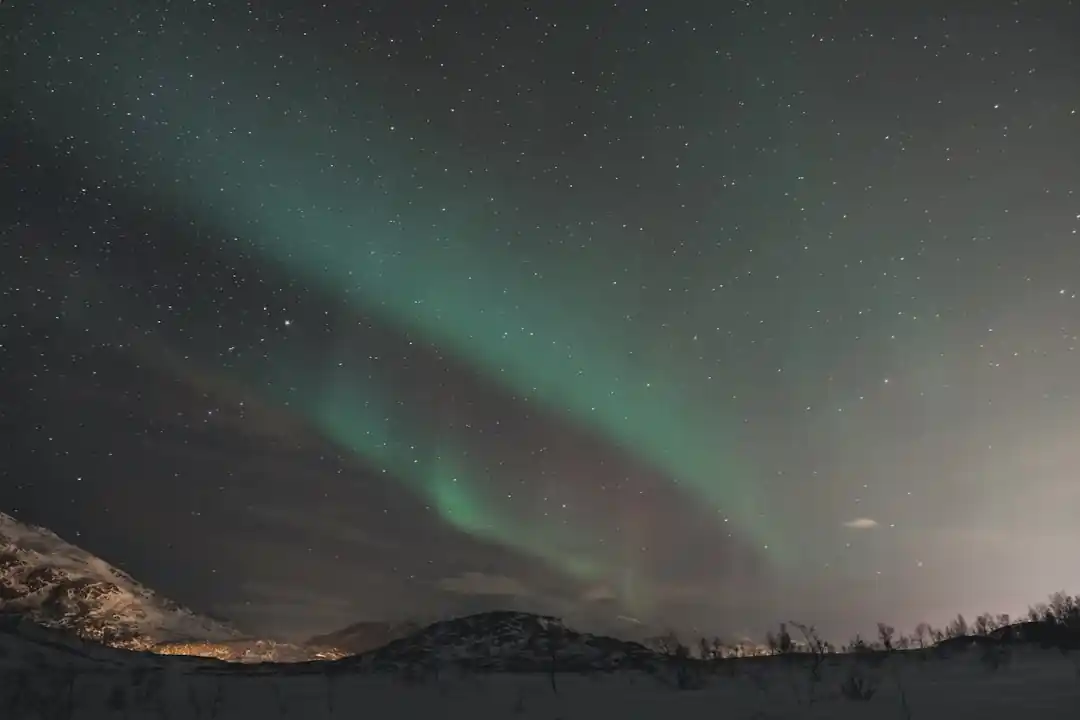
More Than a Month: The Other Keys to Success
While picking the right month is a huge step, it’s not the only factor. A few other elements need to align for you to have the best possible chance of witnessing this natural wonder. First, you have to get away from light pollution. The faint, ethereal glow of a minor aurora can be completely washed out by city lights. Driving even 30 minutes out of town can make a world of difference.
Second, pay attention to the moon cycle. A bright full moon acts like a giant spotlight in the sky, dimming the appearance of the Northern Lights. Planning your trip around the new moon, when the sky is at its darkest, will give you the best possible canvas for the aurora to paint on.
Finally, remember that patience is everything. The aurora is a natural, unpredictable phenomenon. There will be cloudy nights, and there will be nights when the sun is simply quiet. But if you give yourself enough time—at least three to four nights in a prime location—and you’ve stacked the odds in your favor by traveling during an equinox, you stand a fantastic chance of seeing a show that will stay with you for the rest of your life. It’s a journey that requires a little bit of luck, but the reward is a connection to the cosmos that is nothing short of profound.

Don't Freeze: The Ultimate Guide to What to Wear for the Northern Lights
That Viral Northern Lights Photo? You Can Absolutely Take It On Your Phone
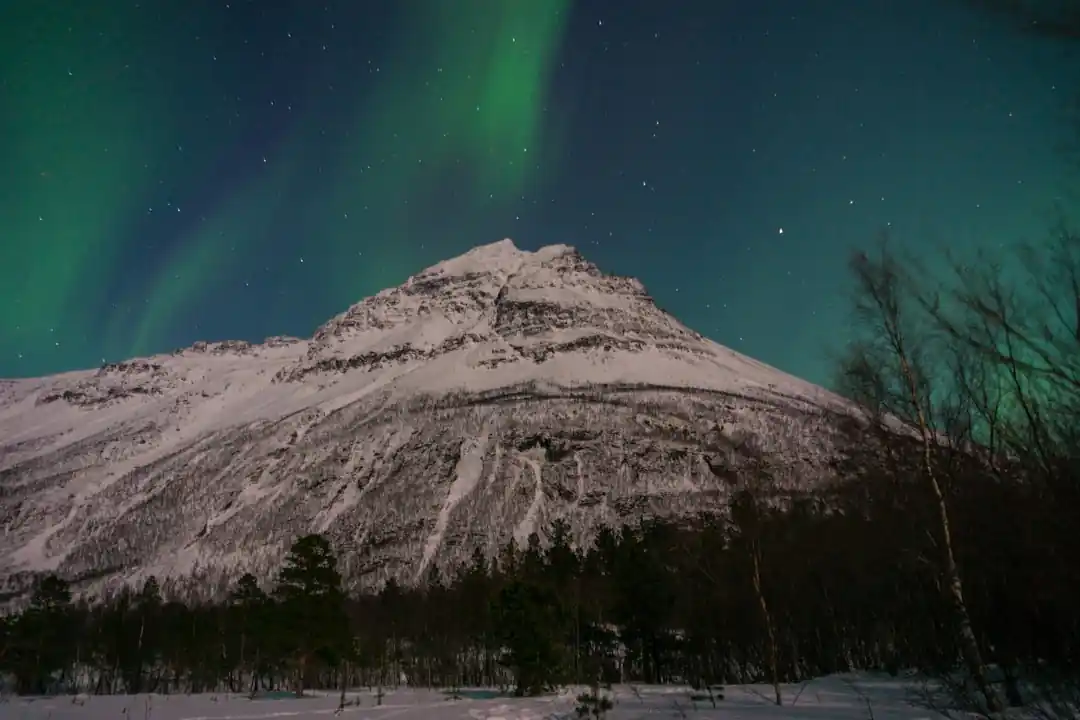
Related Posts
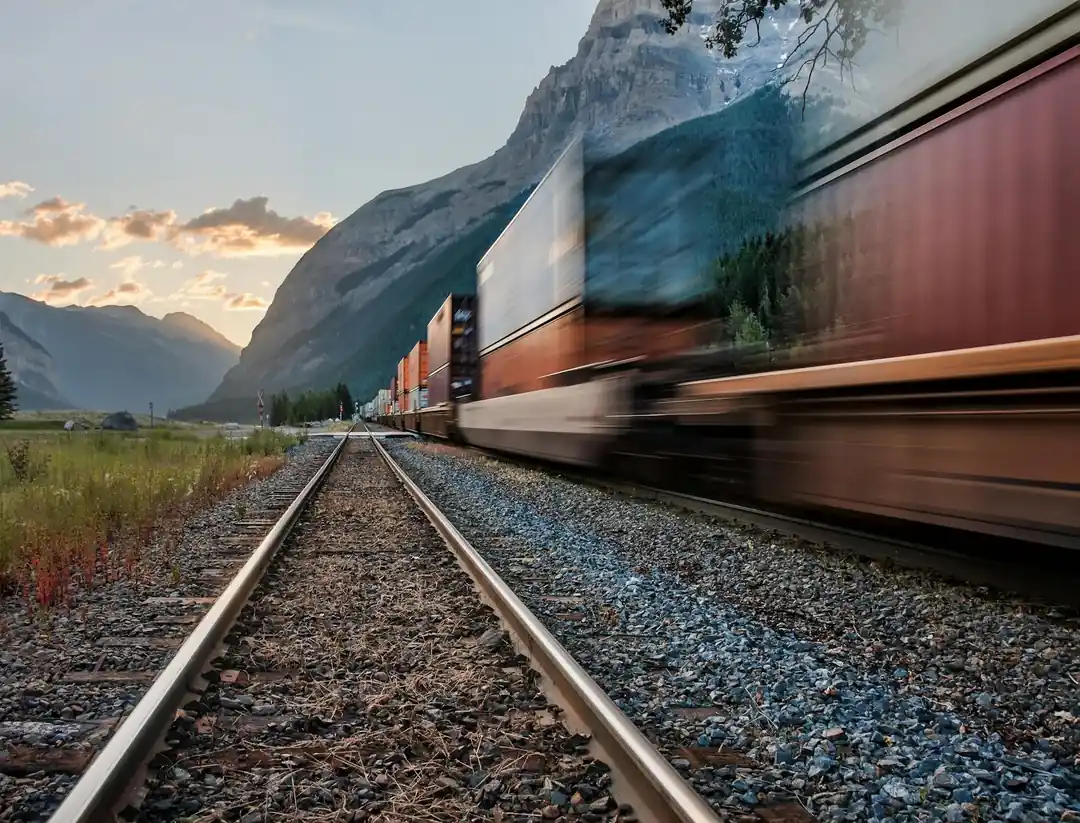 TRANSPORT
Beyond the Highway: Finding Canada's Soul on a Western Rail Adventure
Forget road trips. I'm talking about rediscovering the romance of travel on Via Rail's most scenic routes through the heart of the Canadian West. It’s an experience that changes you.
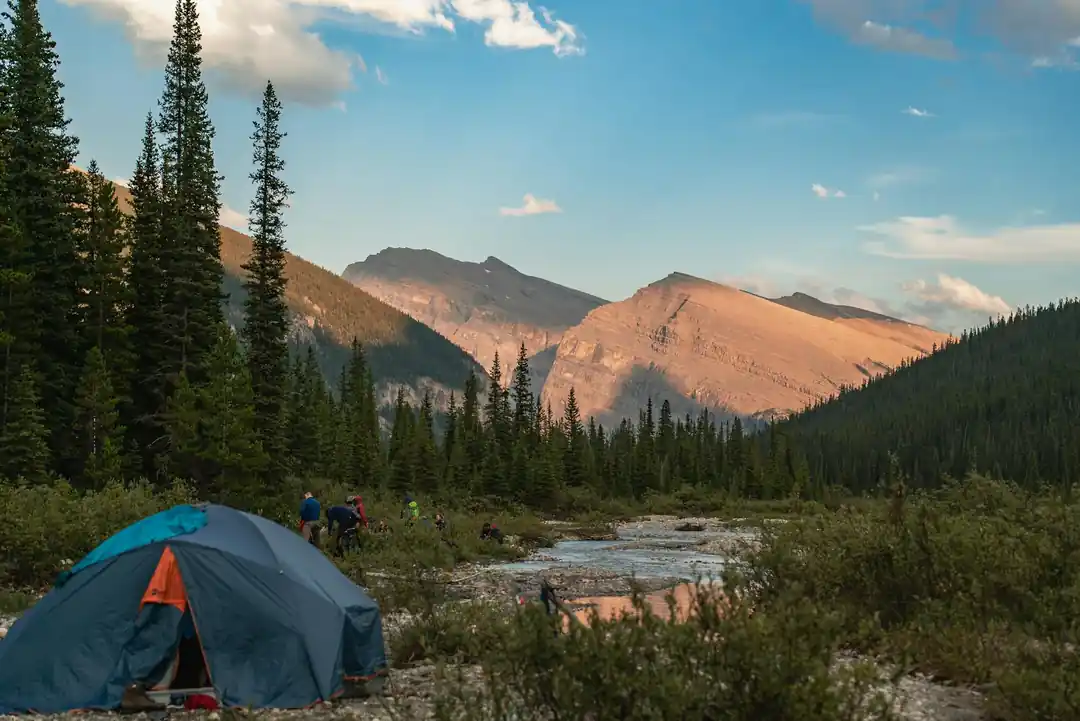 TRAVEL TIPS
The Unwritten Rules of the North: What to Know Before Camping in Canada
Heading to the Great White North for a camping trip? It's an amazing idea. But from campfire etiquette to wildlife wisdom, here’s what you need to know before you go.

Popular Posts

Rethinking Non-Profit Promotion: Creative Strategies That Actually Drive Event Impact

Beyond Stark White: The Best Interior Paint Colors to Light Up Your New Space

How to Actually Master a New Language on Your Own (No Magic Gene Required)
