It feels like something from a movie, but many of us swear our pets act differently during a full moon. Is it real, and what can we do about it?
Have you ever found yourself watching your dog pace endlessly back and forth, whining at nothing, and thought, "Is it a full moon or something?" It’s a question I’ve asked myself, usually half-jokingly, while trying to coax my restless cat out from under the bed. For generations, we’ve heard stories linking the lunar cycle to strange behavior, and it’s easy to dismiss it as folklore. But when it’s your own furry best friend who seems out of sorts, you start to wonder if there’s more to it.
Honestly, I was a skeptic for the longest time. The idea that a giant rock in space could make my dog more anxious seemed a little too mystical. But after talking with enough fellow pet owners and seeing my own animals get inexplicably jittery, I decided to do some real digging. It turns out, the connection between our pets and the full moon is less about werewolves and more about subtle environmental shifts that can genuinely disrupt their peace.
And here’s the thing: even if the science is still catching up to the anecdotal evidence, our pets' anxiety is very real. Their discomfort is what matters. So, whether you’re a firm believer in the lunar effect or just looking for ways to help a generally anxious pet, let's explore what might be happening and, more importantly, what we can do to make those bright nights a little more peaceful for them.
The Science vs. The Stories: What's Really Going On?
Before we get into solutions, it helps to understand the "why." While science hasn't proven that the moon's gravitational pull directly causes your cat to start climbing the curtains, there are some solid, research-backed theories that make a lot of sense. One of the most compelling comes from a study by the Colorado State University College of Veterinary Medicine, which found that emergency vet visits for dogs and cats spike significantly during a full moon. No, the moon isn't making them sick, but it points to a fascinating indirect link.
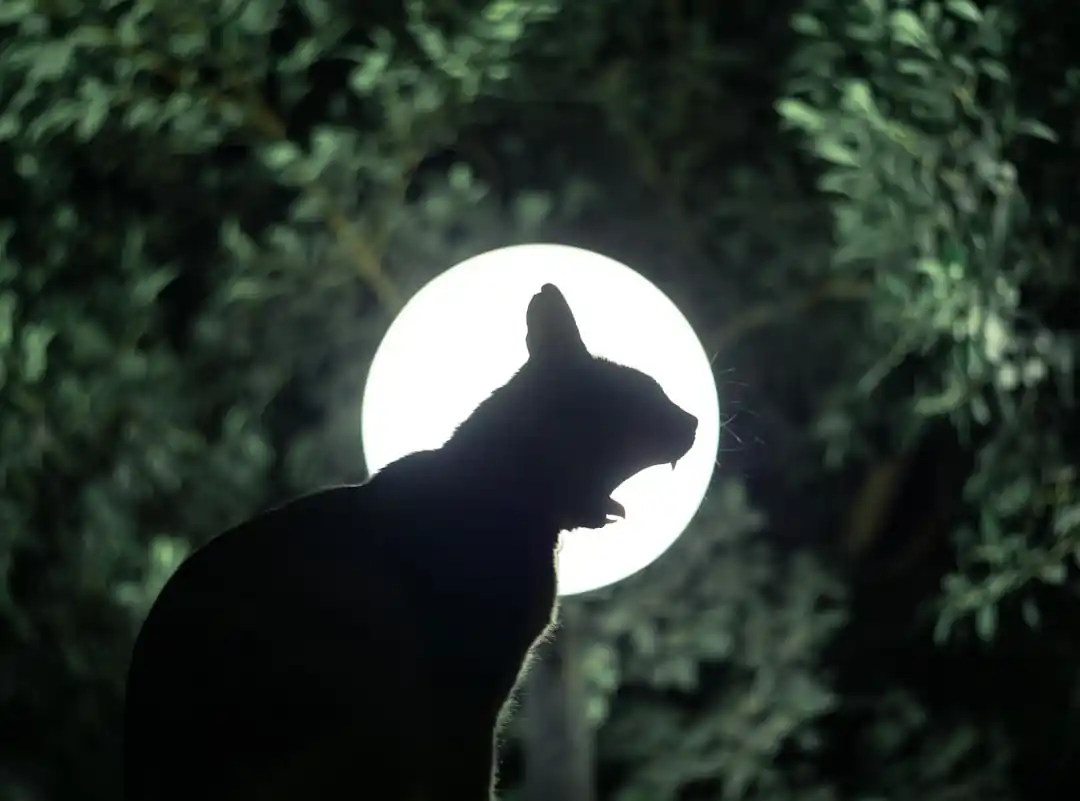
The leading theory is beautifully simple: light. A full moon can be up to 16 times brighter than a crescent moon, casting a significant amount of light into our homes and backyards. For animals that are naturally crepuscular (active at dawn and dusk), this sudden "daylight at midnight" can be incredibly disorienting. It can mess with their internal clocks, disrupt their sleep-wake cycles, and make them feel exposed and vulnerable. Think of it as a kind of natural light pollution that puts their senses on high alert.
This extra light might also make them more active, and therefore more prone to getting into trouble. That late-night exploration in the yard could lead to a run-in with a nocturnal animal or an accidental injury, explaining the increase in vet visits. It’s not magic; it’s a logical consequence of a changed environment. So, when your pet seems anxious, they might just be reacting to a world that suddenly feels brighter and less predictable than it should be at 2 a.m.
Creating a Fortress of Calm: Your First Line of Defense
So, if the primary culprit is unwanted light and a general sense of unease, our first job is to build a safe, predictable, and dark sanctuary for our pets. This is about more than just closing the blinds; it’s about creating an environment that tells their nervous system, "You can relax now. This space is safe." I’ve found that making a few simple changes to our home in the days leading up to a full moon can make a world of difference.
Start with the most obvious source of the problem: the windows. Investing in a good set of blackout curtains for the rooms where your pet sleeps or hangs out is a game-changer. By blocking out that intrusive moonlight, you help maintain their natural circadian rhythm. If curtains aren't an option, even taping some dark fabric or cardboard over the windows for a few nights can work wonders. The goal is to make their sleeping area as dark and cave-like as possible.
Next, consider the soundscape. An anxious animal's hearing can become incredibly sensitive, picking up on every creak and distant noise. A white noise machine can be a fantastic tool to mask those startling sounds with a consistent, soothing hum. You can also find pet-specific calming music playlists on streaming services—these often use specific frequencies and tempos designed to reduce anxiety in cats and dogs. It creates a bubble of predictable sound that drowns out the unpredictable world outside.
Finally, double down on their "den." Whether it's a crate, a specific bed, or a corner of the closet, make sure their safe space is extra cozy. Add a favorite blanket, a few well-loved toys, and maybe even an article of your clothing that smells like you. This isn't just about comfort; it's about giving them a secure home base they can retreat to when they feel overwhelmed. It’s their little fortress against the weirdness of the bright night.

Tools and Techniques for Deeper Calm
If creating a calm environment isn't quite enough, there are more direct tools and techniques you can use to soothe your pet's frayed nerves. These are things that can help their bodies and minds relax, even when the world outside feels strange and bright. I like to think of these as the next level of support for a pet who is truly struggling with anxiety.
One of the most effective tools I’ve found are pheromone diffusers. Products like Adaptil for dogs and Feliway for cats release synthetic versions of the natural calming pheromones that mother animals produce to comfort their young. You simply plug them into an outlet, and they create a constant, reassuring signal in the environment that you (and I) can't smell. For many pets, this is a powerful cue to feel secure and can significantly reduce stress-related behaviors.
Anxiety wraps or "thundershirts" are another fantastic option. These work on the same principle as swaddling an infant, providing gentle, constant pressure over your pet's torso. This pressure has a calming effect on the nervous system, helping to alleviate anxiety. It’s a drug-free way to provide a "portable hug" that can help them feel more grounded. Just be sure to introduce it slowly and positively, with lots of treats, so they associate it with good things.
Finally, don't underestimate the power of distraction and your own calm energy. A high-value chew toy or a puzzle feeder can redirect their anxious energy into a focused, rewarding activity. A gentle, quiet play session before bed can also help them burn off nervous energy. And most importantly, check in with yourself. Our pets are incredibly attuned to our emotions. If we're stressed or worried about their behavior, they will pick up on it. Taking a few deep breaths and approaching them with a calm, confident demeanor can send the most powerful signal of all: that everything is okay.
Ultimately, navigating these full moon nights is about being an attentive and compassionate observer of the creatures we share our lives with. It’s about responding to their needs with patience and creative solutions. Whether it’s the moon, the light, or just a passing mood, being there for them is what truly matters. Here’s to a quiet house and peaceful dreams for every member of your family, furry or otherwise.

Chasing Sunsets: Discovering the Best Public Beaches on Lake Erie's U.S. Coast
Does the Full Moon Make Your Pet...Weird? Unpacking the Lunar Effect
Related Posts
 HOBBIES
The Beginner's Guide to Reading the Night Sky: How to Spot Your First Constellations
A friendly, grounded guide to navigating the night sky, understanding stellar movements, and spotting iconic constellations without expensive gear.
 PETS
PETSSniffle-Free Snuggles: America's Most-Loved Hypoallergenic Dogs
Dreaming of a furry friend but dreading the sneezes? You're not alone. Let's dive into the wonderful world of popular hypoallergenic dog breeds in the US.

Popular Posts

Rethinking Non-Profit Promotion: Creative Strategies That Actually Drive Event Impact

Beyond Stark White: The Best Interior Paint Colors to Light Up Your New Space

The Simple Pre-Workout Fueling Strategy That Saved My Long Runs