Feeling intimidated by Cairo's famous traffic? Don't be. Diving into the city's public transport is the secret to unlocking its true, vibrant heart.
Cairo. The name itself feels heavy with history, doesn't it? It conjures images of golden treasures, the winding Nile, and colossal pyramids touching the sky. But it also brings to mind the city's legendary traffic, a chaotic, honking, beautiful mess that can feel utterly impenetrable to a first-time visitor. I remember standing on a street corner during my first trip, watching the endless flow of cars, and thinking, "How am I ever going to get anywhere?" But I learned a secret: to truly experience Cairo, you have to dive in. And the best way to do that is by embracing its public transportation.
It’s easy to default to the comfort of a pre-booked tour or a private car, and there’s nothing wrong with that. But you’d be missing out on a fundamental part of the city's soul. The real Cairo isn’t just in the museums or the ancient sites; it’s in the shared space of a metro car, the organized chaos of a bus stop, the friendly exchange as you pay for a ferry ride. It’s where you feel the city’s true rhythm. So, take a deep breath, and let’s navigate this incredible city together.
The Cairo Metro: Your Cool, Calm Lifeline
If there is one piece of advice I can give you, it's this: learn to love the Metro. It is, without a doubt, the most efficient, affordable, and tourist-friendly way to get around large swathes of the city. As Africa's first metro system, it's a point of pride and an underground lifeline that hums with the energy of millions of Cairenes. For a tourist, it’s a clean, relatively quiet, and often air-conditioned escape from the heat and hustle of the streets above.
Navigating the system is surprisingly simple. Stations are marked with a red 'M' sign, and inside, you'll find maps and signage in both Arabic and English. There are currently three main lines connecting key districts. Line 1 (the "blue" line) runs north-to-south and is perfect for reaching Old Cairo (Mar Girgis station). Line 2 (the "red" line) runs from the north to Giza, getting you close to the pyramids. Line 3 (the "green" line) is the newest and connects the east and west, including the trendy island of Zamalek.
Tickets are bought from counters at the station, and the fare is based on the length of your journey, starting at just a few Egyptian pounds. It's incredibly cheap. A fantastic feature, especially for solo female travelers, is the women-only carriages, usually the first or last two cars of the train. While you can ride in any car you like, these offer a bit more space and comfort, particularly during the morning and evening rush hours.
Buses and Microbuses: The Authentic Scramble
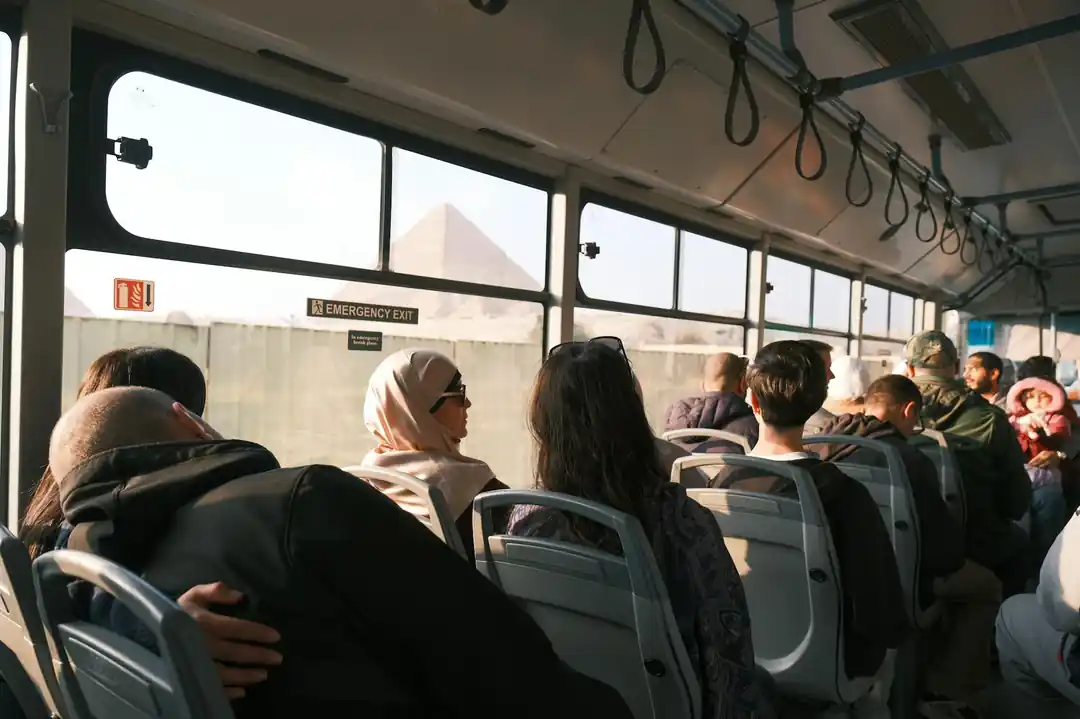
Ready for an adventure? Welcome to the world of Cairo's buses and microbuses. This is where you trade the quiet order of the metro for a more... vibrant experience. The big, public CTA buses cover extensive routes, but figuring them out can be a challenge, as maps are rare and destinations are often only marked in Arabic. It’s a system built for locals, by locals, and using it feels like you’ve unlocked a new level of travel expertise.
Then there are the microbuses. These white vans are the lifeblood of the city's transport network, zipping through traffic and operating on a seemingly psychic system of routes. There are no official stops; you simply stand on the side of the road and flag one down. The driver or an assistant will shout the destination, and if it’s where you’re going, you hop in. You pay by passing your fare up to the driver, and your change will make its way back to you through a chain of helpful passengers.
This is not for the timid. Microbuses can get crowded, and the driving can be assertive, to say the least. But it is undeniably the most authentic way to travel. You’ll be squeezed in with students, shoppers, and office workers, sharing a moment of daily life. If you’re up for it, have a few small bills ready, know the name of your destination, and embrace the beautiful, organized chaos of it all.
Ferries and River Taxis: A Breeze on the Nile
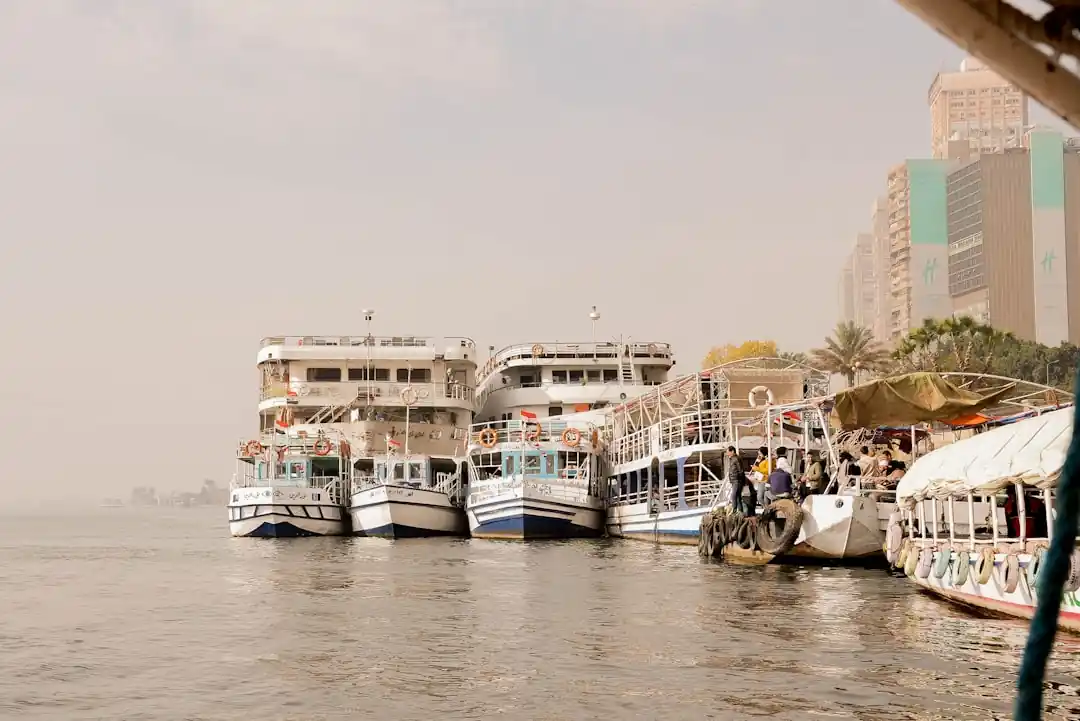
Don't forget that Cairo is a city built on the Nile. While it's easy to get caught up in the land-based traffic, the river offers a wonderfully scenic and often tranquil alternative. The public Nile River Bus is a fantastic local option. It’s a simple ferry service that chugs between various points along the river, offering a unique perspective of the city skyline for a very low price. It’s less about speed and more about the experience.
For a slightly more upscale (but still reasonable) journey, you can look for the newer river taxis. These are faster, more modern boats that can be a great way to bypass traffic for certain routes, especially if you're traveling between areas like Maadi and Zamalek. It’s a practical choice that feels like a mini-tour.
Taking to the water provides a welcome break from the city's intensity. Feeling the breeze on your face as you watch feluccas (traditional sailboats) drift by with the sprawling cityscape as a backdrop is a magical experience. It’s a reminder of the ancient river that has been the heart of this land for millennia, and it’s a mode of transport that nourishes the soul.
A Few Final Tips for the Road
No matter how you choose to travel, a little preparation goes a long way in Cairo. First, always have small bills and coins. Whether for a metro ticket or a microbus fare, fumbling with large notes is a hassle you don't need. Second, while many people in the tourism sector speak English, learning a few Arabic words like "shukran" (thank you) or the name of your destination will be greatly appreciated.
Ride-sharing apps like Uber and Careem are widely used and are a reliable option if you're feeling overwhelmed or need a direct route late at night. They eliminate the need to negotiate fares, which can sometimes be an issue with traditional taxis. Finally, be patient and keep your sense of humor. A bus might be late, a metro car might be packed, but it’s all part of the rich, unpredictable tapestry of Cairo.
Getting around this city is more than just logistics; it's an immersion. It’s the closest you’ll get to feeling the city’s true heartbeat. So go ahead, buy that metro ticket, wave down that bus, and let the city carry you on your next great adventure.
That Dream Trip Won’t Book Itself: Here’s How to Actually Check Visa Requirements
Sailing Through History: How to Choose the Perfect Nile Cruise From Luxor to Aswan

Related Posts
 TRANSPORT
Beyond the Highway: Finding Canada's Soul on a Western Rail Adventure
Forget road trips. I'm talking about rediscovering the romance of travel on Via Rail's most scenic routes through the heart of the Canadian West. It’s an experience that changes you.
 TRAVEL TIPS
The Unwritten Rules of the North: What to Know Before Camping in Canada
Heading to the Great White North for a camping trip? It's an amazing idea. But from campfire etiquette to wildlife wisdom, here’s what you need to know before you go.

Popular Posts

Rethinking Non-Profit Promotion: Creative Strategies That Actually Drive Event Impact

Beyond Stark White: The Best Interior Paint Colors to Light Up Your New Space

How to Actually Master a New Language on Your Own (No Magic Gene Required)
