Beyond the Hype: The AI Tools Actually Worth Using for Productivity in 2026
Feeling overwhelmed by the endless wave of AI tools? Let's cut through the noise and look at the practical, game-changing AI that can genuinely boost your productivity today.
It feels like every single day there’s a new “revolutionary” AI tool that promises to change your life. The inbox is flooded with announcements, social media is buzzing, and the pressure to keep up can be, honestly, a little exhausting. Just a few years ago, the idea of an AI co-pilot for writing or coding felt like science fiction. Now, as we're settling into 2026, it’s our reality. The question is no longer if we should use AI, but which AI is actually worth our time and energy.
I remember the initial wave of excitement. I tried everything. AI for scheduling, AI for summarizing articles, AI for generating images of my cat as an astronaut (which was fun, but not exactly a productivity win). Some of it was clunky, some of it was genuinely impressive, but a lot of it just added another layer of complexity to my workflow. What I’ve learned is that the real magic isn’t in having the most AI tools, but in finding the right ones that seamlessly integrate into your existing habits and solve real, tangible problems.
This isn't about chasing every new shiny object. It's about being strategic. It’s about finding partners in technology that can take the tedious, repetitive tasks off your plate, freeing you up to do the work that truly requires your unique human touch: critical thinking, creative problem-solving, and deep, focused work. Let's cut through the hype and talk about the categories of AI tools that are making a genuine difference.
For the Overwhelmed Communicator: AI Writing & Email Assistants
Let's start with the biggest time-sink for many of us: communication. The endless stream of emails, the pressure to craft the perfect response, the blank page staring back at you when you need to write a report. This is where AI has become an absolute game-changer. Tools like Grammarly have evolved far beyond simple spell-checking. They now act as a real-time communication coach, analyzing your tone, clarity, and conciseness to make sure your message lands exactly as you intend. It’s like having a patient editor looking over your shoulder.
Then you have the heavy lifters like ChatGPT, Claude, and Google Gemini. I’ve stopped thinking of them as just "chatbots." They are my brainstorming partners. When I'm stuck on an idea for a blog post, I can throw a few keywords at them and get a dozen different angles to consider. When I need to draft a tricky email to a client, I can give it the context and ask for a professional, friendly draft. It doesn't write for me; it gives me a starting point, a block of clay that I can then mold into my own voice.
And for email specifically, the rise of tools like Superhuman or the AI features being built into Outlook and Gmail are lifesavers. They can summarize long email threads, draft replies based on the context of the conversation, and help you prioritize what actually needs your attention. It’s about turning your inbox from a source of stress into a manageable to-do list, and honestly, the peace of mind that comes with that is priceless.
For the Disorganized Genius: AI Project & Task Management
If your brain feels like a web browser with 50 tabs open at once, this category is for you. Traditional project management tools are great, but they require a lot of manual input. You have to create the tasks, set the deadlines, and update the statuses. The new generation of AI-powered project managers aims to automate a huge chunk of that administrative work.
Tools like Notion AI and Motion are leading the charge here. Imagine you finish a meeting and have a transcript full of action items. Instead of manually creating a task for each one, you can just feed the transcript to your project management tool, and it will automatically identify the action items, assign them to the right people, and even suggest deadlines based on the conversation. Motion takes it a step further by using AI to build your daily schedule for you, intelligently prioritizing tasks based on your deadlines and personal work patterns.
This is a fundamental shift from a passive system where you tell the software what to do, to a proactive one where the software helps you decide what to do next. It analyzes your workload, understands your priorities, and helps you build a realistic plan for your day. For anyone who has ever ended a day feeling busy but not productive, this is a revelation. It helps ensure that the work you're doing is always aligned with your most important goals.
For the Creative Mind: AI in Design and Brainstorming
Creativity is often seen as the last bastion of humanity, a skill that machines could never replicate. But that’s a limited way of looking at it. AI isn't here to replace creativity, but to augment it, to act as a muse that can spark new ideas and accelerate the creative process. For designers, artists, and marketers, this is an incredibly exciting frontier.
Visual generation tools like Midjourney and DALL-E 3 have captured the public's imagination, and for good reason. Need to mock up a quick visual for a presentation? Want to explore a few different branding concepts without spending hours in Photoshop? These tools can generate stunning visuals from a simple text prompt, allowing for rapid iteration and exploration. It’s not about the AI creating the final product, but about it providing a rich visual starting point that a human designer can then refine and perfect.
But it goes beyond just images. AI can help you brainstorm taglines for a marketing campaign, write different versions of ad copy to A/B test, or even suggest chord progressions for a song. It’s a tool for breaking through creative blocks. By providing an endless stream of suggestions and possibilities, it lowers the stakes of starting and encourages a more playful, experimental approach to creative work.
The key, I’ve found, is to treat these AI tools not as vending machines for finished products, but as collaborators. They are at their best when you engage in a back-and-forth, refining your prompts, and using their output as a springboard for your own imagination. The future of productivity isn't about automation alone; it's about a beautiful, messy, and powerful collaboration between human and machine intelligence. And from that perspective, there's no need to feel overwhelmed—only inspired.

The Ghost in the Machine: How AI Actually Learns to Write
That Big Check Is in Your Hand. Now What? A Guide to Your Insurance Settlement

Related Posts
 MOBILE
The Great Console Debate: How to Choose the Right Gaming System for Your Family
Feeling stuck between a Switch, a PlayStation, and an Xbox? Let's break down which gaming console is the perfect fit for your family's game nights.
 MOBILE
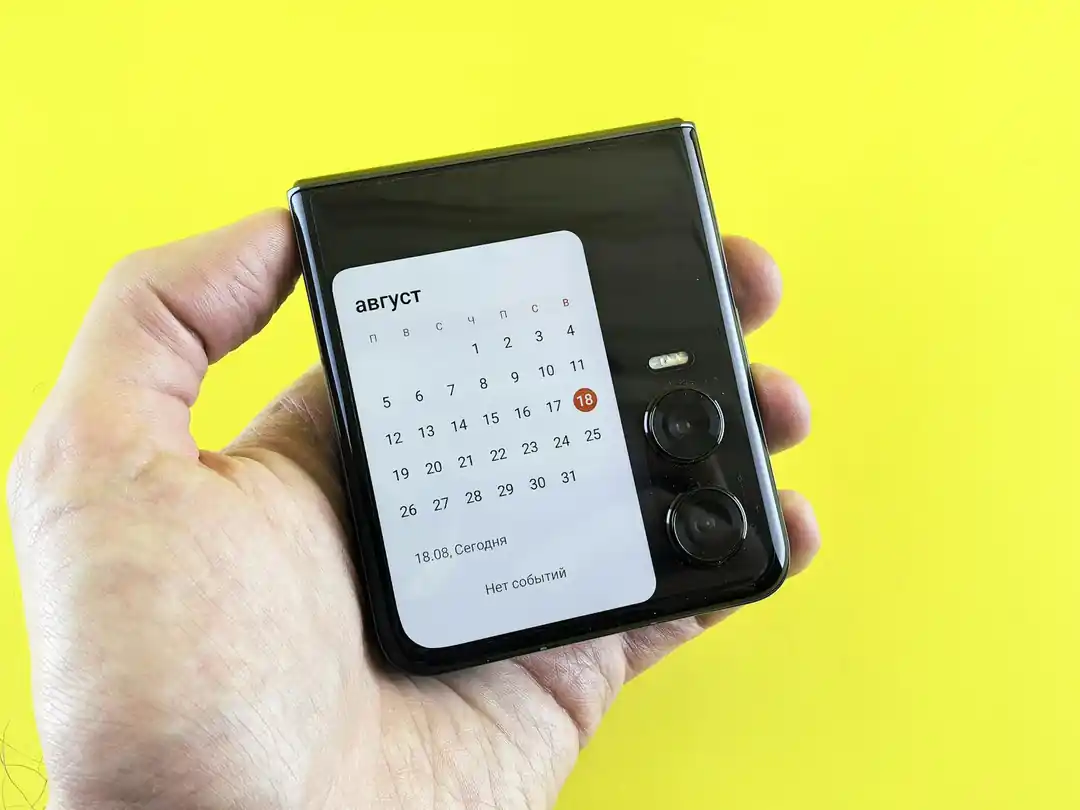
From Fragile to Formidable: The Surprising Evolution of Foldable Phone Durability
Remember when the idea of folding a smartphone screen in half felt like a disaster waiting to happen? Let's talk about how far they've come, because the story is pretty incredible.

Popular Posts

Rethinking Non-Profit Promotion: Creative Strategies That Actually Drive Event Impact

Beyond Stark White: The Best Interior Paint Colors to Light Up Your New Space

How to Actually Master a New Language on Your Own (No Magic Gene Required)
