The Gentle Art of Polishing History: Safely Cleaning Your Antique Silver Flatware
Inherited a stunning set of antique silver flatware and wondering how to bring back its sparkle without causing damage? It's a delicate dance, but with the right touch, you can preserve its beauty for generations.
There’s a certain reverence that comes with holding a piece of antique silver flatware, isn't there? Each fork, spoon, or knife feels like a tiny time capsule, whispering tales of elegant dinners and cherished family gatherings from generations past. But then you notice it – that dull, shadowy film, the tarnish that threatens to obscure its inherent beauty. My heart sinks a little every time I see it, because I know the temptation to just scrub it clean can be overwhelming. But with antiques, especially something as delicate as silver, a heavy hand can do more harm than good. So, let's talk about how to bring back that luminous shine, gently and safely, ensuring these heirlooms continue to tell their stories for years to come.
Honestly, I used to think all silver cleaning was the same. Grab a harsh cleaner, a rough cloth, and go to town, right? Oh, how wrong I was! The truth is, antique silver, unlike its modern counterparts, often has a unique composition and a history that makes it particularly vulnerable to aggressive cleaning methods. Pure silver is actually quite soft, so antique pieces are typically an alloy, usually with copper, and it's this other metal that reacts with environmental factors like humidity to create that familiar dull, blackened appearance we call tarnish. The goal isn't just to remove the tarnish, but to do so without scratching the surface, eroding delicate details, or, heaven forbid, stripping away any plating. It’s a balancing act, a gentle negotiation between history and sparkle.
The Gentle Approach: Your First Line of Defense
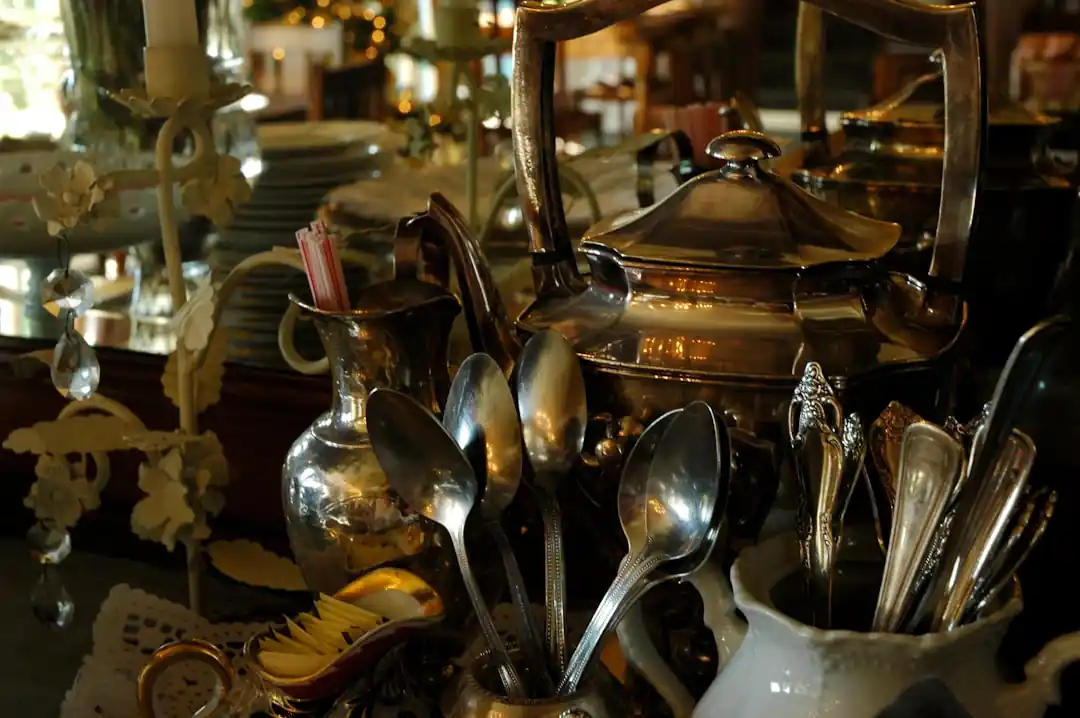
When it comes to antique silver, less is almost always more. Before you even think about polishes or pastes, consider the simplest, most fundamental cleaning method: a good old-fashioned wash. Many experts suggest starting with a solution of mild, phosphate-free dish soap in warm water. Think of it like giving your silver a luxurious bath, not a harsh chemical peel.
To do this properly, you'll want to lay a soft, cotton cloth on your work surface – a little cushion for your precious pieces. And here’s a tip I learned the hard way: always wear cotton gloves. The oils from our fingertips, even if we think our hands are clean, can actually contribute to tarnishing delicate surfaces. Once gloved, gently wash each piece in the warm, soapy water. For those intricate details or hard-to-reach spots, a baby's toothbrush or a cotton bud can be incredibly useful, as they're soft enough not to scratch. After its bath, rinse each item thoroughly in warm water and then immediately buff it dry with another soft, lint-free cloth. This immediate drying is crucial to prevent water spots, which can be just as frustrating as tarnish.
When Tarnish Demands a Little More
Sometimes, a simple wash just won't cut it. For those more stubborn, heavily tarnished pieces, you might need to reach for a proprietary silver polish. But—and this is a big but—choose wisely. Look for a good quality, non-abrasive commercial silver polish. These not only clean but can also leave a protective layer on the surface, which is a huge bonus for slowing down future tarnishing.
Before you commit to polishing an entire piece, always, always do a spot test on an inconspicuous area. This could be the underside of a spoon handle or a less visible part of a fork. This way, you can see how the polish reacts and if you like the results before applying it everywhere. When applying, use a soft cloth or sponge and work in gentle, even strokes, moving in a straight line rather than a circular motion to avoid creating fine scratches. Avoid vigorous scrubbing, which can be abrasive and actually lessen the value of your antique. Once polished, rinse thoroughly and buff dry with a clean, soft cloth. It’s a bit of a meditative process, really, watching the silver transform under your careful touch.
The "Don'ts" That Save Your Silver (and Your Sanity)
Now, this is where things get serious. There are so many well-meaning but ultimately damaging "hacks" floating around out there, and for antique silver, they are an absolute no-go. First and foremost, never put antique silver flatware in the dishwasher. I know, I know, the convenience is tempting, but dishwasher detergents are incredibly harsh, and the high temperatures can cause irreparable damage, leading to staining, pitting, and a dull, lifeless surface. It's just not worth the risk for pieces that have survived decades, if not centuries.
Next, let's talk about some common household items that are often touted as silver cleaners but should be avoided for antiques. Baking soda, when used as an abrasive paste, is far too harsh and can destroy the finish. While some methods suggest an electrochemical reaction with aluminum foil, baking soda, and hot water, this method can strip away the desirable patina and even a thin layer of silver, especially on delicate or plated items. For antique silver, where patina often adds character and value, this is a significant risk. Similarly, toothpaste is abrasive and will scratch the silver. And please, steer clear of lemon juice and other acidic cleaners; their acidity can cause unwanted reactions and damage. The general rule of thumb is to avoid anything that feels overly aggressive or promises instant, effortless results, as these often come at a cost to your silver's longevity.
Preserving the Gleam: Storage and Regular Care
Once your antique silver flatware is sparkling, the next step is to keep it that way for as long as possible. Regular care is truly the key to preventing heavy tarnish buildup. Simply dusting your items regularly with a soft brush and gently rubbing them with a soft cloth to remove fingerprints and light dirt can make a huge difference. Surprisingly, silver that is used regularly tends to tarnish less frequently than silver that sits unused for long periods. So, don't be afraid to bring out those beautiful pieces for special occasions!
For long-term storage, especially for pieces you don't use often, proper protection is essential. Wrap each piece individually in acid-free tissue paper or unbleached cotton muslin. This helps to create a barrier against the air and pollutants that cause tarnish. For even better protection, store these wrapped pieces in an airtight bag or a specially designed silver storage chest. And here’s a crucial warning: never wrap your silver in plastic wrap or newspaper. These materials often contain sulfur, which can actually accelerate tarnishing and even bond with the silver over time.
Caring for antique silver flatware is a labor of love, a quiet conversation with history. It’s about respecting the craftsmanship and the stories embedded in each piece. By choosing gentle methods, avoiding harsh chemicals, and providing thoughtful storage, you’re not just cleaning silver; you’re preserving a legacy, ensuring that the gleam of the past continues to brighten your present and future. And honestly, what could be more beautiful than that?
Beyond the Cabinet: Elegant Ways to Display Silver in a Modern Home
My Brain Has a New Best Friend: The AI Apps I Can’t Live Without

Related Posts
 INTERIOR IDEAS
Beyond Stark White: The Best Interior Paint Colors to Light Up Your New Space
Discover how moving away from flat white walls to soft pale blues, earthy sage greens, and cozy warm neutrals can naturally brighten your home.
 HOME IMPROVEMENT
The Honest Winter Energy Guide: How I Cut Heating Costs Without Freezing
Practical, research-backed ways to keep your home warm and your utility bills reasonable this winter, from simple DIY sealing to smart habits.
Popular Posts

Rethinking Non-Profit Promotion: Creative Strategies That Actually Drive Event Impact
Beyond Stark White: The Best Interior Paint Colors to Light Up Your New Space

How to Actually Master a New Language on Your Own (No Magic Gene Required)
