Forget everything you thought you knew about fashion. We're diving deep into the 1960s Mod movement, a youth-driven revolution that redefined style with sharp lines, bold colors, and an attitude to match.
There are decades that gently evolve, and then there are decades that hit like a lightning bolt. The 1960s was the latter. It was a period of seismic cultural shifts, and nowhere was this more visible than in the world of fashion. At the epicenter of this style earthquake was the Mod movement. Short for "Modernist," this was more than just a trend; it was a youth-driven subculture that sprang from the streets of London, armed with a love for modern jazz, a sharp sense of style, and a desire to break from the stuffy conventions of the past.
Honestly, trying to pin down Mod fashion is like trying to capture energy in a bottle. It was a complete mood. It was about looking forward, embracing the new, and celebrating a streamlined, uncluttered aesthetic. This wasn't about the frills and flounce of the 1950s. Instead, it was a clean, graphic, and unapologetically bold statement. For the first time, the focus of fashion shifted from wealthy adults in Paris to the vibrant, creative energy of young people on the street.
Thinking about it now, the audacity of it is what's most captivating. It was a full-blown lifestyle. It dictated the music you listened to (American R&B, soul, and Jamaican ska), the scooter you rode (a Vespa or Lambretta, naturally), and, most importantly, the clothes you wore. It was a uniform of cool, a declaration of belonging to a new, forward-thinking tribe that was shaping the future in real-time.
The Revolutionary Silhouette
If you had to pick one garment to define the entire Mod era, it would have to be the miniskirt. I mean, what a game-changer. Popularized by designers like Mary Quant, the miniskirt was less a piece of clothing and more a declaration of independence. It was a symbol of women's liberation, a youthful rebellion against the restrictive styles their mothers wore. Paired with opaque tights or knee-high boots, it created a long, lean, and leggy silhouette that was utterly new and exciting.
But it wasn't just about the mini. The overall shape of womenswear shifted dramatically. The A-line dress and the shift dress became staples, offering a simple, almost childlike silhouette that skimmed the body rather than clinging to it. This was a huge departure from the hourglass figures of the 50s. The focus was on clean lines and freedom of movement, allowing women to dance the night away in smoky underground clubs. It was practical, it was comfortable, and it was incredibly chic.
And the men! We can't forget the men. Mod fashion for men was just as revolutionary. It was all about sharp, tailored suits. Think slim-fit, three-button suits with incredibly narrow lapels, often in mohair. The trousers were flat-fronted and cut slim, creating a sleek, elongated look. This was the antithesis of the baggy, conservative suits of the previous generation. Paired with a crisp button-down shirt (often with a tab or button-down collar) and a super-skinny tie, the look was polished, precise, and undeniably cool.
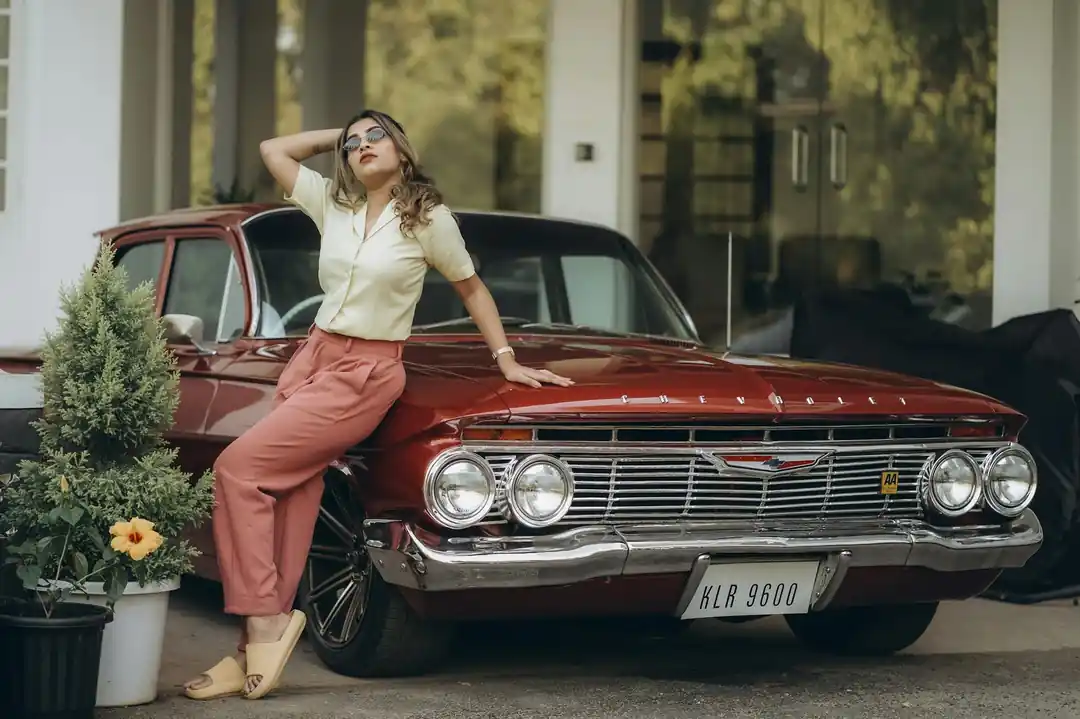
A Kaleidoscope of Color and Pattern
The Mod aesthetic was anything but shy. It threw the muted, gentle color palette of the 1950s out the window and embraced a riot of bold, graphic, and often contrasting colors. We're talking about stark black and white, often used in color-blocking, alongside vibrant pops of primary colors like red, yellow, and blue. It was a direct influence of the Pop Art movement, turning the wearer into a walking piece of art.
Geometric patterns were the visual heartbeat of Mod fashion. Bold stripes, polka dots, checkerboard prints, and the iconic Union Jack flag were plastered across everything from dresses to handbags. These weren't delicate, fussy patterns; they were clean, hard-edged, and designed to make an impact. The Op Art movement also played a huge role, with its mind-bending, black-and-white optical illusions finding their way onto fabrics, creating a sense of movement and modernity.
This explosion of pattern and color was a celebration of the new. It reflected the optimism and energy of the Space Age and a society that was looking toward a bright, exciting future. The use of new synthetic materials like PVC and crimplene also helped, as they could hold these vibrant colors and sharp, structured shapes in a way that natural fibers couldn't. It was a perfect marriage of art, technology, and fashion.
The Finishing Touches
No Mod look was complete without the right details, and the accessories and beauty trends of the era were just as iconic as the clothes. For footwear, it was all about the boot. White or colored go-go boots, usually with a low, block heel and a mid-calf height, were the perfect companion to the miniskirt. For a slightly more formal look, women wore shoes with a low heel and a square toe, often with a decorative buckle.
The makeup was a statement in itself. The focus was all on the eyes. Think thick, black cat-eye liner, layers and layers of mascara on both the top and bottom lashes (sometimes even drawn on for extra effect, a look popularized by the supermodel Twiggy), and a pale, nude, or frosty lipstick. The goal was to create a wide-eyed, almost doll-like look that was both innocent and incredibly sophisticated.
And the hair! The hairstyles of the 60s were architectural. Sharp, geometric bobs cut by Vidal Sassoon, the boyish pixie cut made famous by Mia Farrow, and even the voluminous beehive were all hallmarks of the era. These weren't soft, romantic styles; they were bold, graphic shapes that complemented the clean lines of the clothing. It was the total look, a head-to-toe commitment to a new way of being.
The echo of the Mod movement is still felt today. It was a moment in time when fashion became inextricably linked with youth, music, and social change. It taught us that style could be a powerful form of self-expression, a way to signal your identity and your ideals. And honestly, that's a lesson that never goes out of style.
That Sudden Buzz: Decoding the Public Emergency Alerts That Keep Us Safe
The Savvy Buyer's Guide to Spotting Quality in Luxury Leather
Related Posts
 HOBBIES
The Beginner's Guide to Reading the Night Sky: How to Spot Your First Constellations
A friendly, grounded guide to navigating the night sky, understanding stellar movements, and spotting iconic constellations without expensive gear.
 PETS
PETSSniffle-Free Snuggles: America's Most-Loved Hypoallergenic Dogs
Dreaming of a furry friend but dreading the sneezes? You're not alone. Let's dive into the wonderful world of popular hypoallergenic dog breeds in the US.

Popular Posts

Rethinking Non-Profit Promotion: Creative Strategies That Actually Drive Event Impact

Beyond Stark White: The Best Interior Paint Colors to Light Up Your New Space

How to Actually Master a New Language on Your Own (No Magic Gene Required)
