We're always told to diversify, but what about assets you can actually hold? Let's explore if rare coins are a smart financial move or just a collector's fancy.
Let’s be honest, when most of us think about building a personal finance portfolio, our minds immediately jump to stocks, bonds, and maybe real estate. It’s the conventional wisdom we’ve heard for years. But lately, I’ve been captivated by a different kind of asset class, one that feels more tangible, more real: rare coins. Is it just a romantic notion, this idea of holding a piece of history in your hand that’s also a serious investment, or is there solid financial reasoning behind adding numismatics to your portfolio?
I used to think of coin collecting as a niche hobby, something for history buffs with a lot of patience. The idea that it could sit alongside my index funds as a legitimate part of my financial strategy seemed… unlikely. However, the more I read, the more I realize that tangible assets have a unique appeal, especially in times of economic uncertainty. Unlike the digital flicker of a stock price, a rare coin is a physical object. Its value is rooted not just in its material, but in its story, its scarcity, and the passionate community that seeks it. This isn't about getting rich quick; it's about a different philosophy of wealth—one that's patient, deliberate, and deeply fascinating.
The global market for coin collecting is substantial and projected to grow significantly. One report I came across suggested the market could expand from around $8.5 billion to over $15 billion in the next decade. This isn't some fleeting trend; it's a market with deep roots and a growing base of enthusiasts who see both the historical and financial value in these small metal discs. It makes you wonder what they know that the rest of us might be missing.
The Real Allure: Why Investors Look Beyond the Shine
So, what’s the actual investment thesis here? The primary argument for adding rare coins to a portfolio is diversification. The value of rare coins doesn’t typically move in lockstep with the stock or bond markets. When traditional markets are volatile, tangible assets can act as a stabilizing force. Think of it as an anchor in a financial storm. While your stocks might be taking a hit, a well-chosen collection of rare coins could hold its value or even appreciate, providing a much-needed buffer.
Then there’s the potential for long-term appreciation. This isn’t a market for day traders. The value of rare coins is built over years, sometimes decades. Scarcity is a powerful driver of value. As time goes on, coins can be lost or damaged, making the surviving high-quality examples even rarer. This natural attrition, combined with a steady or growing demand from collectors, creates a compelling case for long-term growth. It’s a classic supply-and-demand scenario, played out over generations.
But for many, the appeal goes beyond the numbers. It’s about owning a piece of the past. A coin minted in the 1800s has passed through countless hands and witnessed eras of history we’ve only read about in books. This historical significance gives it an intrinsic value that’s hard to quantify but deeply felt by collectors. It’s an investment you can appreciate on an intellectual and emotional level, not just a financial one. This "passion" component is a huge part of what sustains the market.
What Separates a Pocket Change from a Prized Possession?
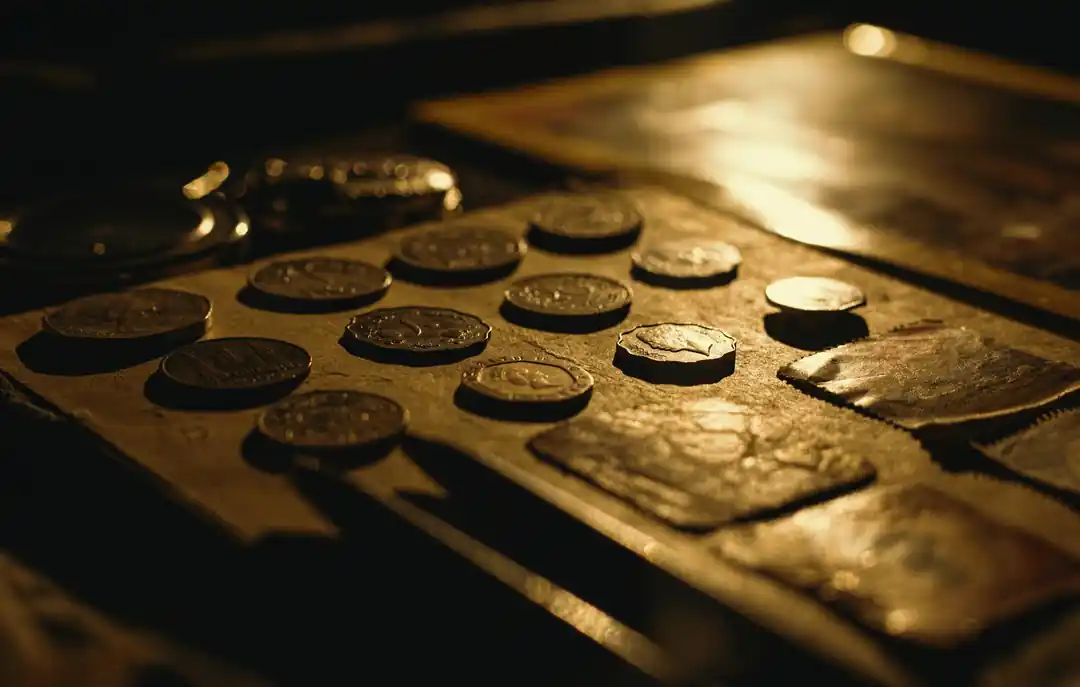
Not all old coins are valuable. So, what makes one coin worth a few dollars while another can fetch thousands, or even millions? The value of a rare coin is determined by a combination of factors, often referred to as the "four pillars" of numismatic value: rarity, condition, historical significance, and demand. Understanding these is crucial before you even think about making a purchase.
First, rarity. This can mean a low original mintage (few were made in the first place), or a low survival rate (many were melted down or lost over time). "Key date" coins are often the rarest in a particular series and are highly sought after by collectors trying to complete a set. Condition, or "grade," is just as important. The numismatic world uses a 70-point scale, where a grade of 70 represents a perfect, flawless coin. The difference in value between two coins of the same date can be astronomical based on a few grading points. This is why professional, third-party grading services like PCGS (Professional Coin Grading Service) and NGC (Numismatic Guaranty Corporation) are so vital. They provide an objective assessment of a coin's condition, which is essential for establishing its market value.
Historical significance adds another layer of value. A coin associated with a major historical event or a famous figure can command a premium. For example, coins from the California Gold Rush or the short-lived Confederate States of America carry a historical weight that makes them more desirable. Finally, there’s demand. Even a rare, high-grade coin won't be a great investment if no one wants to buy it. Popular series like Morgan Silver Dollars or Saint-Gaudens Double Eagles have a large and active collector base, which ensures consistent demand and liquidity.
The Unvarnished Truth: Risks and Realities
Of course, no investment is without risk, and rare coins have their own unique set of challenges. The market is far less liquid than the stock market. You can’t just log into an app and sell your collection in a matter of seconds. Finding the right buyer who is willing to pay a fair price can take time and may require going through a specialized dealer or an auction house. This illiquidity means it’s not a suitable investment for money you might need in a hurry.
The market is also highly specialized. To succeed, you need knowledge. Without a deep understanding of grading, authenticity, and market trends, it’s easy to overpay or, worse, buy a counterfeit. The high prices of rare coins have unfortunately attracted forgers. This is another reason why buying certified coins from reputable dealers is so important—it’s your best defense against fraud.
Finally, remember that the price of a rare coin is often significantly higher than its intrinsic metal value. You are paying a premium for its rarity and collectibility. This premium can fluctuate based on collector demand. If a particular series falls out of favor, the premium you paid might shrink, even if the underlying metal prices remain stable. It’s a risk you have to be comfortable with. This is an investment in a collectible first, and a precious metal second.
If you’re intrigued and want to dip your toes in the water, the universal advice is to start small and educate yourself. Buy the book before you buy the coin. Join a local coin club or online forum. Learn from experienced collectors. And most importantly, only work with reputable dealers who are members of professional organizations like the American Numismatic Association (ANA). It’s a journey, not a race, and the knowledge you gain along the way is as valuable as the coins themselves. It’s a fascinating world, and for the right kind of patient investor, it might just be the perfect addition to a well-rounded portfolio.

Crypto for Your Coffee Shop? How Digital Currency is Changing Small Business Marketing
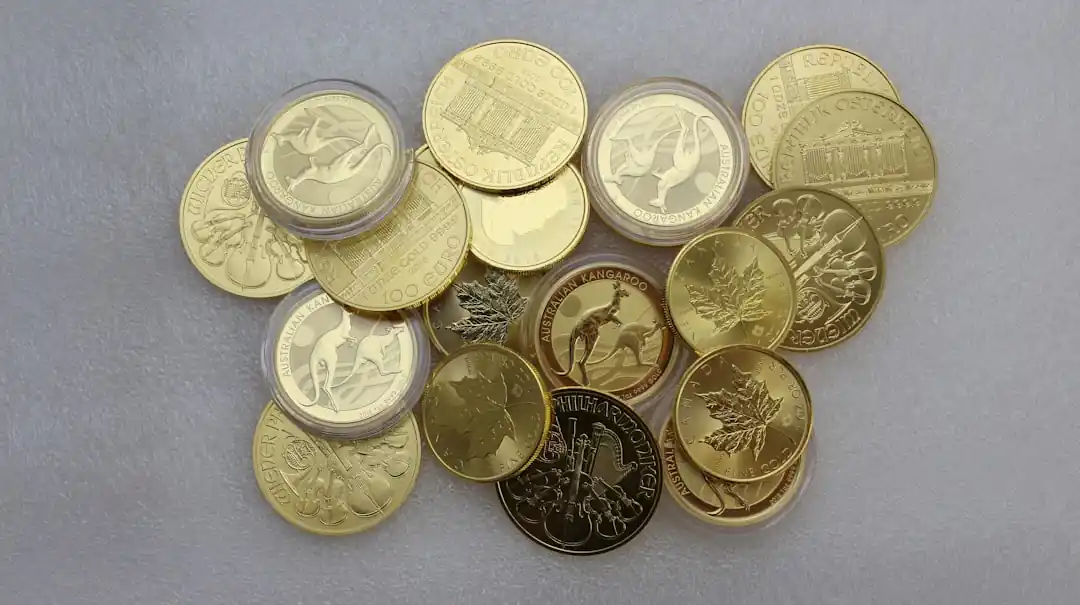
Beyond the Digital Ledger: Why Precious Metal Coins Are My New Favorite Portfolio Diversifier
Related Posts
 BUSINESS
Rethinking Non-Profit Promotion: Creative Strategies That Actually Drive Event Impact
Discover modern, research-backed strategies for promoting non-profit fundraisers, from experiential marketing to hyper-local micro-influencers and cross-sector partnerships.
 BUSINESS
Is the TV Ad Dead? A Deep Dive into Cost and Effectiveness in 2024
In an age of streaming and scrolling, is a TV commercial still a smart bet for brands? We're breaking down the real costs and surprising effectiveness of television advertising today.

Popular Posts
Rethinking Non-Profit Promotion: Creative Strategies That Actually Drive Event Impact

Beyond Stark White: The Best Interior Paint Colors to Light Up Your New Space

How to Actually Master a New Language on Your Own (No Magic Gene Required)