Finding Your Calm, One Step at a Time: The Power of Walking Meditation
Life feels like a constant sprint sometimes, doesn't it? But what if the very act of moving could be your secret weapon against stress? Walking meditation might just be the mindful practice your busy mind has been craving.
Life, in its relentless pace, often feels like a never-ending sprint. We're constantly juggling deadlines, notifications, and an ever-growing to-do list, leaving us feeling frazzled and disconnected. It's easy to think that finding moments of calm requires retreating to a silent room for a seated meditation, a luxury many of us feel we simply don't have. But what if I told you that the path to inner peace is literally right beneath your feet?
Honestly, I used to dismiss walking as just a means to an end—getting from point A to point B. The idea of "meditating" while moving seemed counterintuitive, almost like trying to read a book while running a marathon. But the beauty of walking meditation lies in its simplicity and adaptability. It's not about finding extra time in your packed schedule; it's about reimagining the time you're already spending on the move.
This isn't just a casual stroll; it's an intentional journey inward, even as you move through the external world. It’s a practice that has been gaining traction, and for good reason. It combines the physical benefits of walking with the mental clarity of meditation, creating a powerful tool for stress relief that you can use anytime, anywhere.
So, What Exactly Is Walking Meditation?
At its core, walking meditation is the practice of bringing your full, conscious awareness to the simple act of walking. Unlike a typical walk where your mind might be replaying conversations, planning dinner, or scrolling through mental checklists, mindful walking invites you to anchor your attention to the present moment. It's about noticing, without judgment, the sensations, sounds, and sights that unfold with each step.
Think about it: how often do you truly feel your feet on the ground? According to experts from mindful.org, the practice involves focusing on the sensation of your feet touching and leaving the earth. This subtle shift from autopilot to intentional presence is what makes all the difference. It pulls your awareness away from the chaotic stream of thoughts and into the physical reality of your body moving through space.
The goal isn't to stop your thoughts, but to stop letting them control you. By giving your mind a specific, neutral focus point—like the feeling of your feet or the rhythm of your breath—you create a quiet anchor in the storm of daily stress. It’s a moving meditation that allows your body to engage while your mind finds a quiet center, proving that mindfulness isn't confined to a cushion.
The How-To: Your First Steps into Mindful Walking
Getting started is far less intimidating than it sounds. You don't need special equipment or a perfectly silent environment. In fact, learning to practice amidst the gentle distractions of the real world is part of the training.
First, find a place where you can walk back and forth for about 10-15 paces, like a quiet hallway, a park path, or even your own living room. Begin by standing still for a moment. Feel the weight of your body on your feet. Take a few deep, intentional breaths to signal to your mind and body that you are beginning a practice.
Now, start to walk, perhaps a little slower than your usual pace. Bring all your attention to your right foot. Feel it lift off the ground, swing through the air, and then make contact with the ground again—heel, ball, toes. Then, shift your awareness to your left foot and repeat the process. As described in guides from sources like the Greater Good Science Center at UC Berkeley, this deliberate, focused attention is key. You are simply noticing the sensations.
Your mind will wander. That’s not a failure; it’s just what minds do. When you notice your thoughts have drifted to your to-do list or worries about the future, gently and without judgment, guide your attention back to the feeling of your feet on the ground. Each time you bring your focus back, you are strengthening your "mindfulness muscle." Continue this for 5 to 10 minutes to start, and gradually increase the time as you feel more comfortable.

Weaving Walking Meditation into a Busy Life
One of the most compelling aspects of this practice is its incredible flexibility. You don't need to carve out a huge chunk of time. Instead, you can transform the "in-between" moments of your day into opportunities for mindfulness.
That walk from your car to the office door? That's an opportunity. The trip to the kitchen to refill your water bottle? Another one. Instead of pulling out your phone, use those few minutes to connect with your steps. Feel your feet on the pavement or the office carpet. Notice the rhythm of your breathing. These "micro-doses" of mindfulness can have a cumulative effect, helping to lower your baseline stress levels throughout the day.
For many, the idea of adding one more thing to their wellness routine feels overwhelming. But this isn't an addition; it's a transformation of something you already do. By shifting your intention, a mundane walk becomes a restorative practice. It’s a powerful reminder that peace isn’t something you have to chase; it’s something you can access right here, right now, with nothing more than your own attention and the ground beneath your feet.
In a world that constantly pulls us in a million different directions, walking meditation is a gentle rebellion. It's a quiet declaration that you are choosing to be present, to be embodied, and to be at peace, even while in motion. So, the next time you walk, I invite you to try it. You might just find that the path to a calmer mind is just a single, mindful step away.

Discover the Hidden Gems: Top Tourist Attractions in Bangladesh
Beyond the Alarm: A Homeowner's Guide to Real Fire Safety

Related Posts
 NUTRITION
The Simple Pre-Workout Fueling Strategy That Saved My Long Runs
Discover how timing your carbohydrates and embracing simple foods can eliminate mid-workout fatigue and unlock your true endurance potential.
 FITNESS
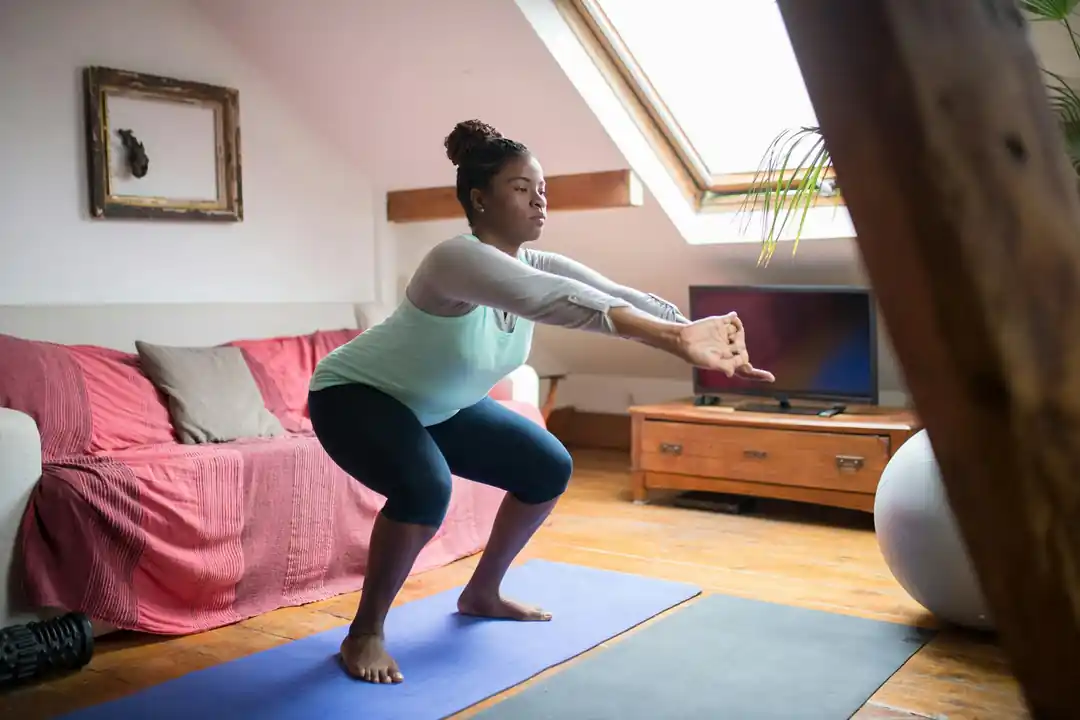
No Gym, No Problem: The Ultimate Guide to Bodyweight Fitness at Home
Forget expensive memberships. Discover how to build serious strength and transform your body using the most powerful tool you already own: yourself.

Popular Posts

Rethinking Non-Profit Promotion: Creative Strategies That Actually Drive Event Impact

Beyond Stark White: The Best Interior Paint Colors to Light Up Your New Space

How to Actually Master a New Language on Your Own (No Magic Gene Required)