Ever wonder how your phone got so smart? It’s not magic, it’s a quiet revolution in artificial intelligence happening right in your pocket.
Have you ever stopped to think about how ridiculously smart your phone has become? I mean, really think about it. It wasn't that long ago that we were excited about grainy photos and playing Snake. Now, we have devices in our pockets that can shoot cinematic-quality video, translate languages in real-time, and anticipate what we’re going to type next. It feels a little like magic, but it’s not. It’s the quiet, steady creep of artificial intelligence into nearly every facet of our mobile lives.
Honestly, it’s one of those things that has become so integrated, so seamless, that we barely even notice it anymore. We just accept that our night photos will look impossibly bright, or that our phone will remind us to leave for a meeting based on current traffic. But behind that convenience is a universe of complex algorithms and dedicated hardware, all working in concert to make our lives a little bit easier. It’s a silent partnership between human and machine that has fundamentally changed our relationship with technology.
I was recently digging into just how deep this integration goes, and it’s kind of staggering. We’re not just talking about flashy features anymore. AI is the invisible hand that optimizes your battery, secures your data, and turns your amateur photos into something you’re proud to share. It’s the secret genius hiding in plain sight.
The Pro Photographer in Your Pocket
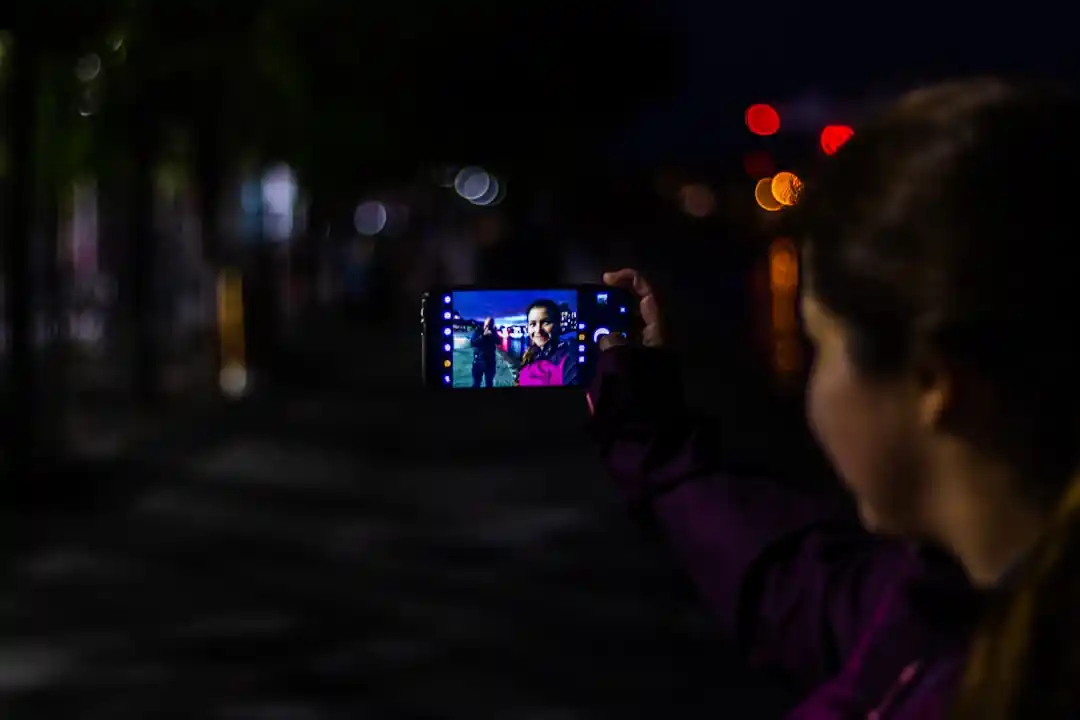
Let’s start with the camera, because it’s probably the most obvious and impressive example of mobile AI. Have you ever taken a photo in a dimly lit restaurant and been shocked at how clear and vibrant it came out? That’s not just a better lens; that’s computational photography at work. Your phone is taking multiple exposures in a fraction of a second and using AI to stitch them together, reducing noise, balancing light, and sharpening details in a way that would have required a bulky DSLR and a tripod just a few years ago.
This goes way beyond just "night mode." When you use Portrait Mode, the AI is performing a sophisticated task called semantic segmentation. It identifies the person in the foreground, meticulously mapping the outlines of their hair and clothes, and then artificially creates a soft, blurred background (or bokeh) to mimic a professional-grade lens. It’s also smart enough to recognize different elements in a scene—like the sky, a face, or food—and apply specific, subtle enhancements to each part individually.
It’s a constant, real-time analysis. The phone’s Neural Processing Unit (NPU), a chip designed specifically for AI tasks, is making millions of calculations the instant you press the shutter. It’s adjusting for handshake, predicting movement, and ensuring that the final image is the best possible version of that moment. It has, without a doubt, democratized good photography, allowing us to capture our lives with a fidelity that was once reserved for professionals.
The Unseen Efficiency Expert
Beyond the flashy camera tricks, AI is the tireless efficiency expert working behind the scenes. One of its most crucial jobs is managing your battery life. Modern smartphones have features often called "Adaptive Battery" or something similar. This isn't just a simple power-saving mode; it's an AI system that learns your personal app usage patterns over time. It figures out which apps you use frequently and which ones you rarely open.
Based on this learning, it intelligently limits the battery consumption for those apps you don't use often. If you have an app that you only open once a week, the AI prevents it from constantly running in the background and draining your power. It also learns your daily routine. For example, it might notice that you always charge your phone overnight, so it will manage the charging speed to preserve long-term battery health, ensuring it hits 100% just before you typically wake up.
This same intelligence applies to performance. The phone’s AI anticipates which apps you’re likely to open next based on your habits and the time of day, pre-loading them into memory for a faster, smoother launch. It’s a subtle optimization, but it’s what makes a modern phone feel so responsive and intuitive. It’s constantly shuffling resources around, ensuring that power is allocated exactly where it’s needed most, without you ever having to think about it.
A Smarter, More Private Assistant
Of course, you can’t talk about AI without mentioning the voice assistants that live on our phones. Siri, Google Assistant, and others have evolved from simple command-takers to genuinely helpful assistants. This is largely thanks to advancements in Natural Language Processing (NLP), which allows them to understand the nuances of human speech, context, and follow-up questions. You can speak more conversationally, and they can often figure out what you mean without you having to use rigid, specific commands.
What’s really significant here, though, is the shift towards on-device processing. In the past, almost every voice command you gave was sent to a server in the cloud to be analyzed. Now, thanks to those powerful NPUs, many of these requests can be handled directly on your phone. This is a massive win for privacy. Your queries about local businesses, your reminders to call your mom, or your commands to play a certain playlist can often be processed without that data ever leaving your device.
This on-device AI is a critical trend. It makes interactions faster (no network lag) and, more importantly, more secure. Features like real-time transcription, language translation, and even the AI that suggests app actions on your home screen are increasingly running locally. It’s a fundamental change that allows our phones to be more personal and intelligent without forcing a trade-off with our personal data. It’s your data, on your device, working for you.
It’s pretty amazing to step back and see how these layers of intelligence work together. The device in your hand is more than just a communication tool; it’s a photographer, an efficiency expert, and a personal assistant. It’s a testament to how far technology has come, and a glimpse into a future where the line between device and companion will only continue to blur. It’s a quiet, powerful partnership that’s already here, making our lives just a little bit smarter every day.
Your First Step into a Smarter Home: A Beginner's Guide to AI Automation
What Is AI, Really? A Simple Guide to the Brains Behind the Buzz
Related Posts
 MOBILE
The Great Console Debate: How to Choose the Right Gaming System for Your Family
Feeling stuck between a Switch, a PlayStation, and an Xbox? Let's break down which gaming console is the perfect fit for your family's game nights.
 MOBILE
From Fragile to Formidable: The Surprising Evolution of Foldable Phone Durability
Remember when the idea of folding a smartphone screen in half felt like a disaster waiting to happen? Let's talk about how far they've come, because the story is pretty incredible.

Popular Posts

Rethinking Non-Profit Promotion: Creative Strategies That Actually Drive Event Impact

Beyond Stark White: The Best Interior Paint Colors to Light Up Your New Space

How to Actually Master a New Language on Your Own (No Magic Gene Required)
